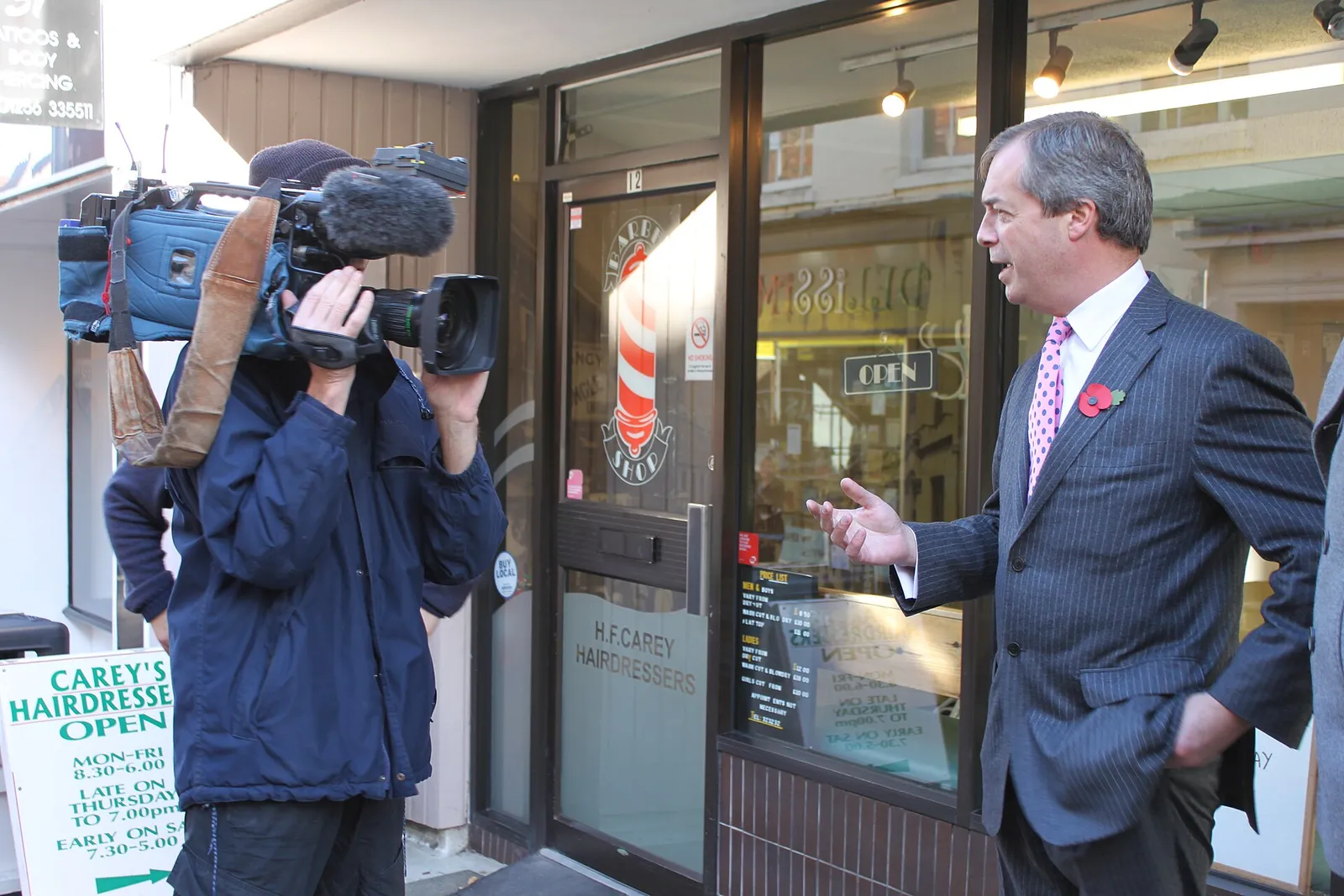
Nigel Farage, one of the most recognizable figures in British politics and the leader of the hard-right Reform UK party, has resigned his seat in the House of Commons, forcing a special election in his Clacton district that he says he intends to stand in and win. He framed the decision as a way of putting his conduct before voters rather than his critics.
What he did and why
Farage announced on Tuesday that he was quitting as the member of Parliament for Clacton, a seat he won in 2024, and would run again in the resulting by-election, Al Jazeera reported. He described the contest as one of "the people against the establishment," and said he was doing it in response to press scrutiny of his affairs, ITV News reported. He insisted he had done nothing wrong, saying he had not broken the law or misused public money.
The questions over his finances
The move comes amid reporting about Farage's financial backing. One strand concerns a large donation, reported at around £5 million, from a cryptocurrency businessman, which Parliament's standards watchdog has been examining to determine whether it was properly declared. A separate strand, based on a Sunday Times investigation, alleges that Farage received undeclared benefits, such as security, staff and the use of a London townhouse, from George Cottrell, an associate who was jailed in 2017 in a money-laundering case, Al Jazeera reported. Farage has said the reporting is unfair and that he declared what the rules required. The allegations have not been tested, and no finding of wrongdoing has been made.
The reaction
Opponents were quick to cast the resignation as an attempt to dodge scrutiny rather than face it. Figures from rival parties accused Farage of using the by-election to reset the story on his own terms and questioned the cost and timing of forcing a vote. Farage and his party rejected that framing, arguing that letting his constituents pass judgment at the ballot box is the most democratic response available to him.
What happens next
By resigning and re-standing, Farage turns an inquiry into an election. The parliamentary standards investigation into the donation is, by convention, paused while the seat is vacant; if he wins back the seat, that pause continues, and if he loses, the standards commissioner would decide whether to resume it, Al Jazeera reported. Britain's Electoral Commission is separately looking at whether some of the benefits should have been declared. For Farage, a comfortable win in Clacton would let him claim vindication from voters; a defeat would be a serious blow to a politician who has built his career on the argument that he speaks for ordinary people against a distrusted elite.