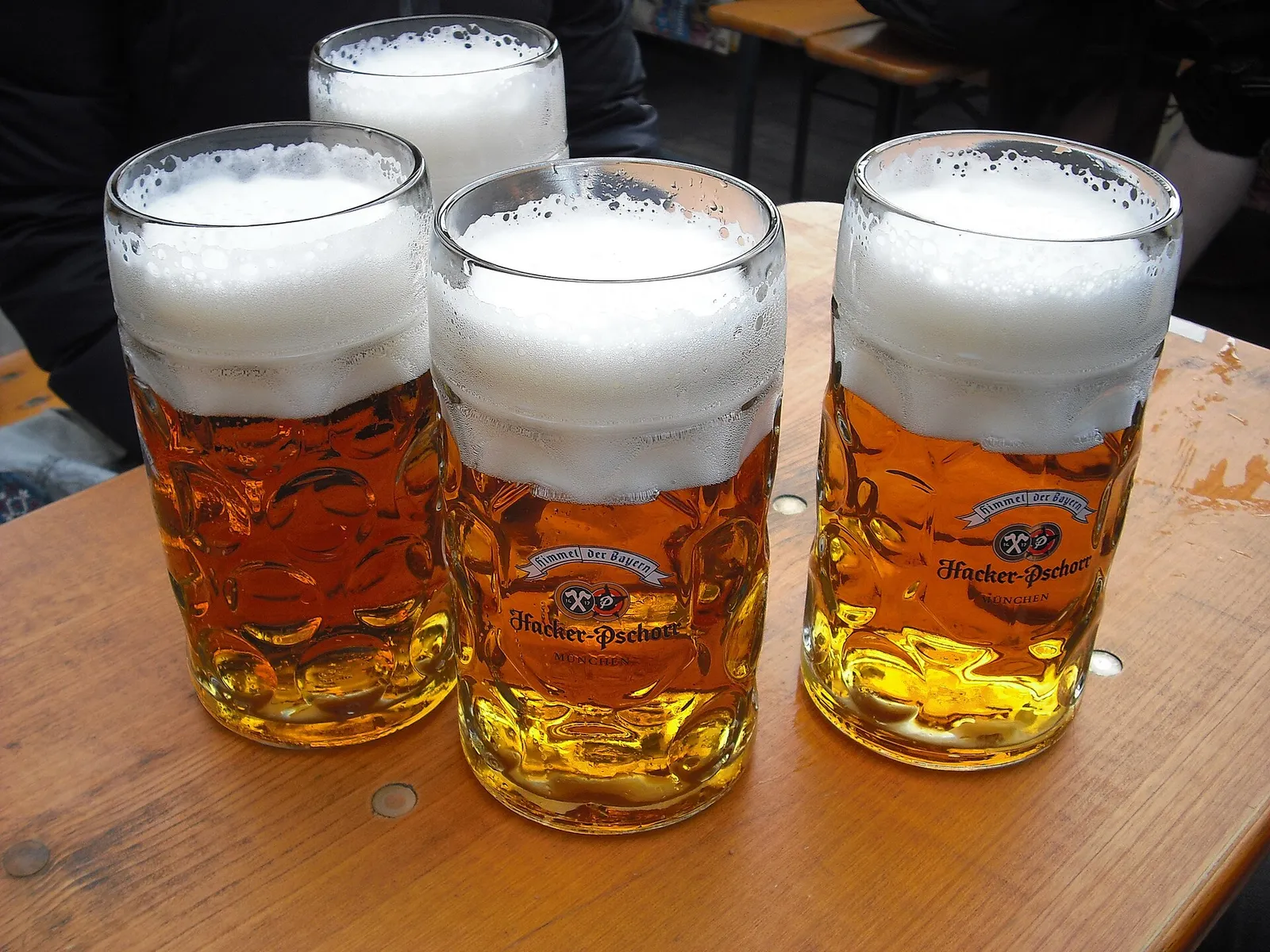
Few markets are as unwelcoming to an outside beer as Germany, and few brewers are as persistent as Anheuser-Busch InBev. The world's largest beer company is once again trying to win over German drinkers with Budweiser, its flagship American lager, despite two earlier attempts that fizzled out.
A brand, under another name
There is a wrinkle before the beer even reaches a glass: in much of Europe, the Budweiser name is not AB InBev's to use. A Czech brewer, Budweiser Budvar, holds the "Budweiser" trademark across many European countries, and rights to the short form "Bud" sit with a German brewer, so AB InBev is selling the beer in Germany under a variation of the Anheuser-Busch name, inside.beer reported. The company is leaning on heritage in its pitch, noting that Budweiser's 19th-century founders were German-born, and it has signed sponsorship deals with several Bundesliga football clubs, the New York Times reported.
Why Germany is so hard
The obstacles are cultural as much as commercial. Many Germans grew up with the idea that proper beer follows the Reinheitsgebot, the 1516 "purity" rule limiting beer to water, malt, hops and yeast, and plenty of local brewers still make a point of complying with it. Just as important is regional loyalty: drinkers often stick to beers brewed in their own city or state, leaving little room for a mass-market import. And the overall market is shrinking, with German beer consumption falling in recent years, according to industry figures cited by the Times, which makes gaining a foothold harder still.
Two strikes already
AB InBev has been here before. It pushed Budweiser in Germany around the 2006 World Cup, only for the effort to collapse within a few years, and a second attempt toward the end of the last decade also came apart, inside.beer reported. Trade observers quoted in the coverage are skeptical this time will be different, pointing to the soft market and to a wariness among some German consumers toward American brands.
A long shot, by design
None of that has deterred the company, which is producing the beer in Germany and betting that sponsorships and a heritage story can slowly change minds. It is a long shot, and AB InBev seems to know it. But for a brewer of its scale, even a small slice of a market the size of Germany is worth chasing, which is why, twice rebuffed, it is asking German drinkers the question again.