Oil prices rose sharply on Wednesday after the latest exchange of strikes between the United States and Iran, and Tehran's warnings over shipping in the Strait of Hormuz, revived fears that the conflict could choke off a large share of the world's crude. The gains reversed a recent decline that had carried prices back down toward where they stood before the fighting began earlier this year.
How far prices moved
Brent crude, the international benchmark, rose more than 3 percent, trading around $76 a barrel, its highest in about two weeks, while US West Texas Intermediate climbed close to 3 percent to around $70, Al Jazeera reported. Prices, which move minute to minute, extended their gains after the US struck Iranian targets and Washington moved to cut off Iran's oil exports, CNBC reported. The exact figures shift through the trading day; the direction, sharply higher, was clear.
Why the strait matters
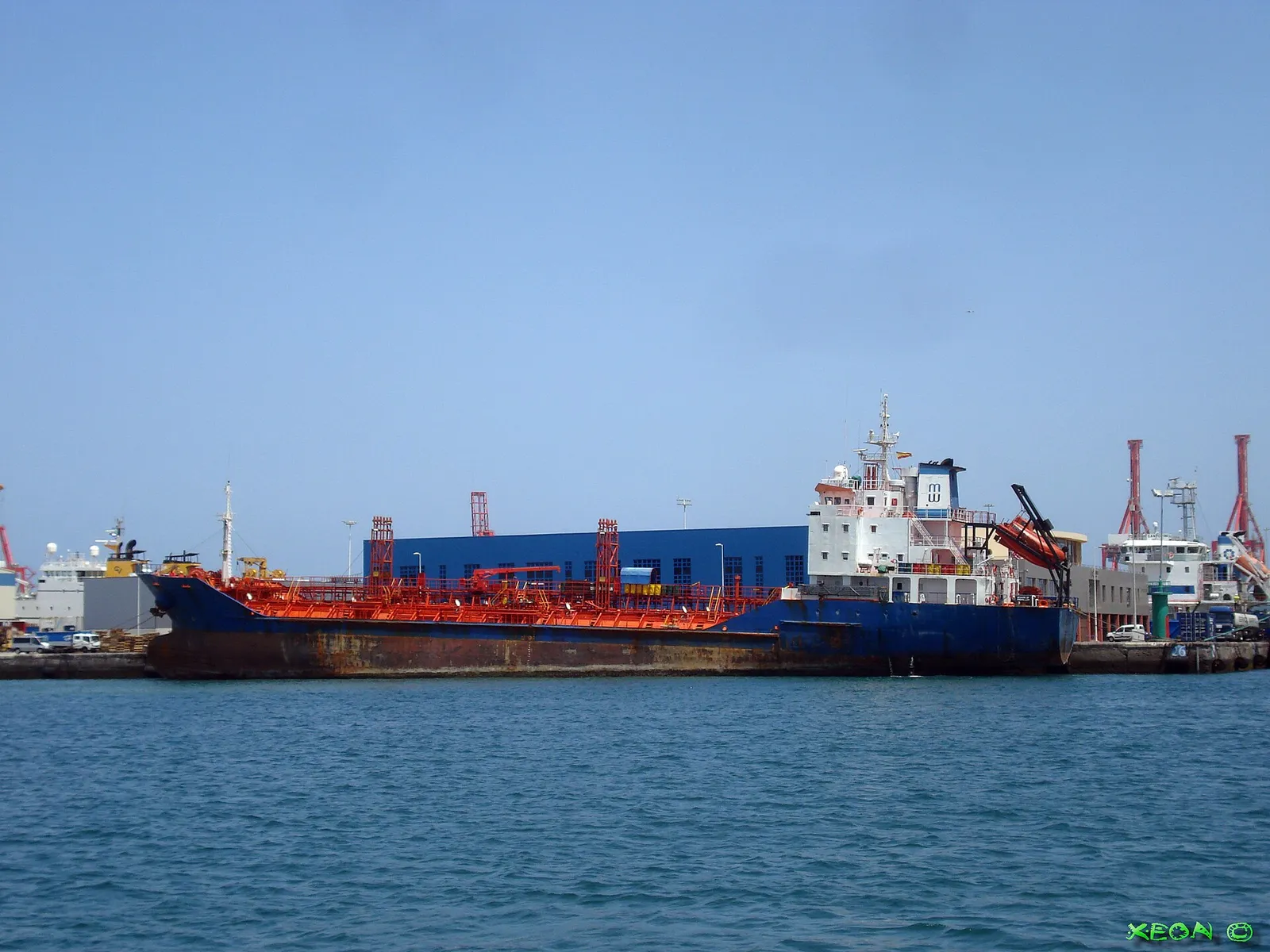
The reaction centers on the Strait of Hormuz, the narrow waterway between Iran and the Arabian Peninsula through which roughly a fifth of the world's seaborne oil passes. Traffic through the strait fell heavily during the most intense phase of the conflict, and any renewed disruption there ripples quickly through global energy markets. This week Iran's military warned that tankers must keep to approved routes through the strait or risk a "forceful response," PBS NewsHour reported, a message markets read as a threat to the free flow of shipping.
The trigger
The US strikes followed attacks on three commercial vessels in the strait, which American, Qatari and Saudi officials blamed on Iran; Tehran has not directly claimed them. Washington also revoked a temporary waiver that had allowed some Iranian oil sales, a step Iran called a violation of the truce agreed in June. Together, the military action and the squeeze on Iranian exports pulled two levers on the oil price at once: added risk to supply routes, and the loss of barrels from the market.
What it means
For consumers, sustained higher crude prices tend to feed through to more expensive fuel and, over time, to the cost of goods that have to be shipped and made. How far prices climb from here depends largely on the strait: if shipping keeps moving, the spike may prove short-lived, as earlier ones in this conflict did; if Iran follows through on its warnings and traffic thins again, the pressure could build. For now, markets are pricing in the risk rather than a confirmed cutoff, and the numbers remain volatile.