A bill moving through New Jersey's legislature would set rules for self-driving cars that Tesla's robotaxi, in its current form, could not meet, in effect blocking the service in the state unless the company redesigns its vehicles or the legislation is softened.
What the bill would require
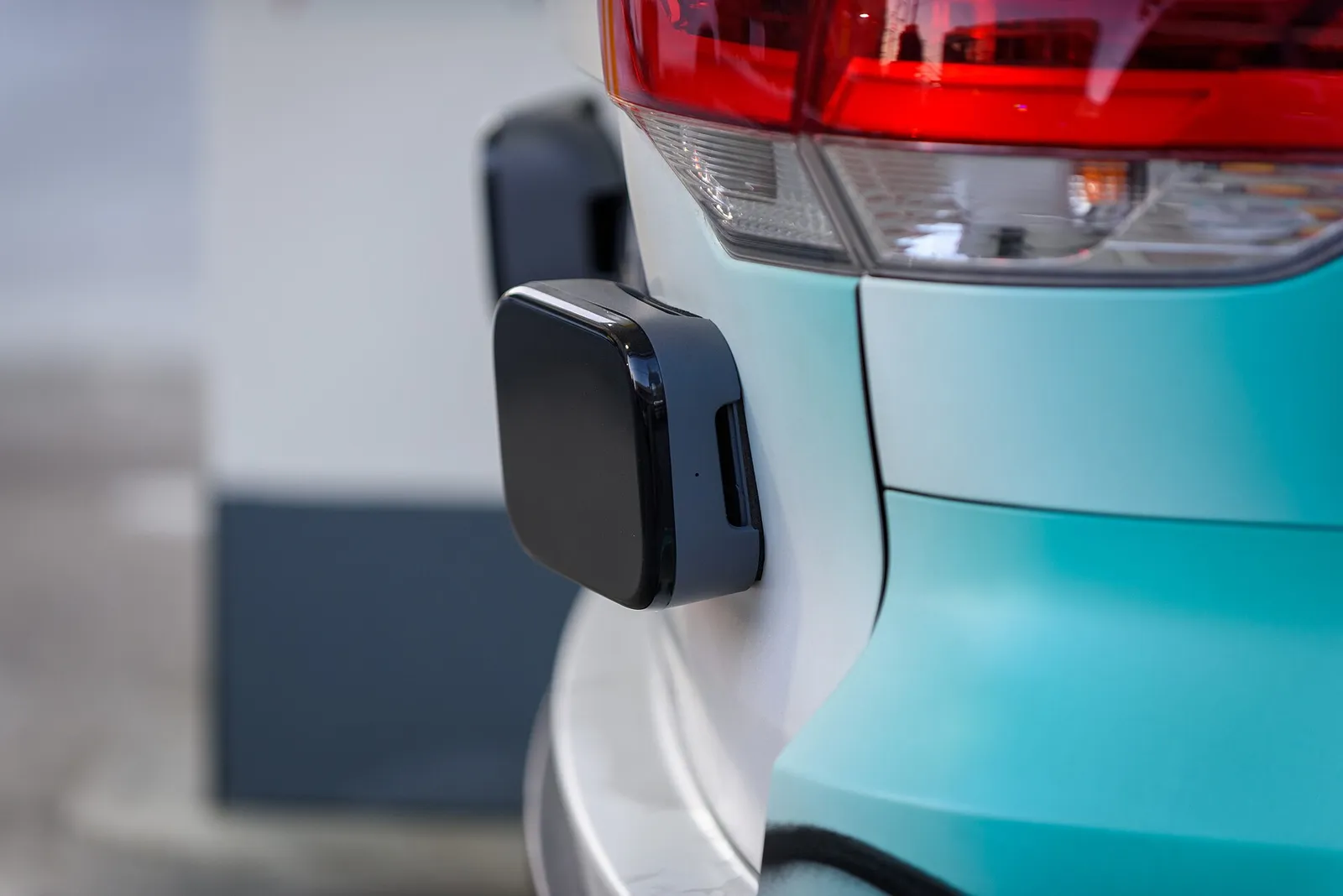
The measure would require fully driverless vehicles to use a camera system paired with additional, independent ways of sensing the road, language that points to technologies such as lidar or radar as a backup if the cameras fail, The Verge reported. It would also set up a supervised pilot program, with a testing-mileage threshold in the state before a company could run a commercial driverless service, and add requirements on safety systems, data recording and insurance, the New Jersey League of Municipalities reported.
Why it hits Tesla specifically
The rule matters most to Tesla because of a choice the company has made and defended: its self-driving system relies on cameras and software alone, without lidar or radar. Rivals such as Waymo already combine cameras with lidar and radar, so they would be better placed to comply. Under the New Jersey proposal, Tesla's camera-only hardware would not qualify, which is why the bill has been described as one that could keep its robotaxi out of the state.
The two arguments
Supporters of requiring backup sensors say redundancy is a basic safety precaution: if cameras are blinded by glare, darkness or a fault, another sensor can still detect obstacles. They frame the pilot structure, with oversight and reporting, as a cautious way to introduce the technology.
Tesla has pushed back hard, urging its New Jersey customers to lobby lawmakers and arguing that the requirements would make genuine driverless operation effectively illegal. The company contends that vehicles should be judged on their real-world safety record rather than on which sensors they use, and calls the mandate a barrier that is not technology-neutral. Newsparlor could not independently assess the competing safety claims.
Where it stands
The bill has not yet become law and is expected to face a vote later in the year. However it turns out, the fight captures a larger question hanging over the industry: whether regulators should specify the hardware self-driving cars must carry, or set safety targets and let companies decide how to meet them. New Jersey is one arena for that debate; the outcome could influence how other states write their own rules.