
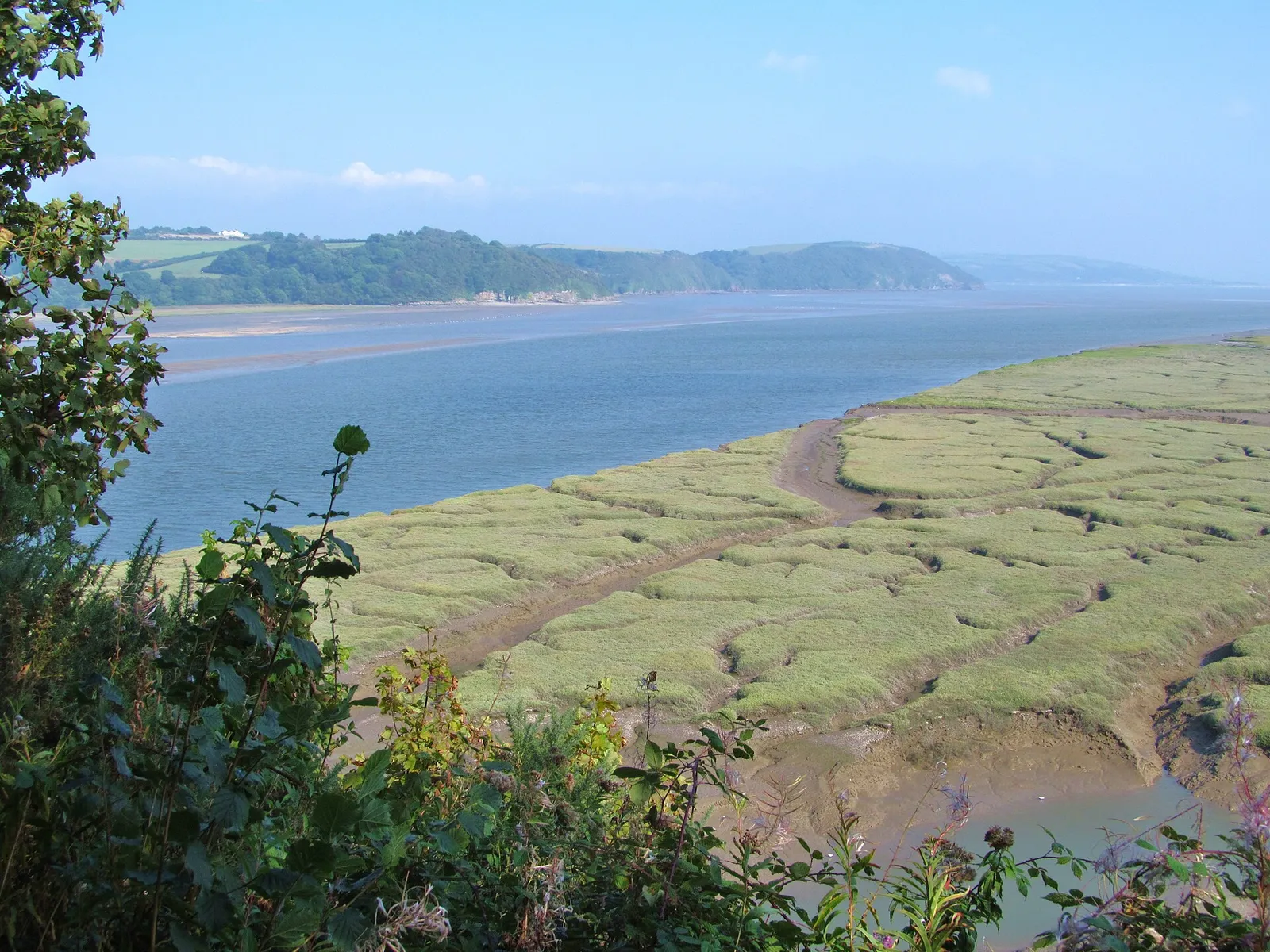
On the banks of the River Wear in Sunderland, work is starting on a project to rebuild patches of saltmarsh, the muddy, salt-tolerant habitat that once fringed the estuary before industry stripped much of it away. The scheme is modest in size but part of a wider effort to reverse one of Britain's quieter environmental losses.
Letting the mud return
Rather than planting a marsh from scratch, the project works with the tide. Crews install low barriers of wooden stakes and woven brushwood at carefully chosen heights on the mudflats, the Sunderland Echo reported. These slow the water enough that sediment settles out and builds up in layers, and over time salt-tolerant plants colonize the new ground on their own, their seeds carried in on the tides. The restoration, run by the environmental charity Groundwork with backing from the Environment Agency and other funders, targets small areas at two sites on the river, according to reporting on the project.
Why saltmarsh matters
Saltmarshes punch above their weight ecologically. They act as nurseries for young fish and crabs, which in turn feed birds and larger marine animals, and they buffer the coast, absorbing wave energy and easing tidal surges in a way that hard sea walls do not. They are also efficient stores of "blue carbon," locking away carbon in their waterlogged soils. Britain has lost a large share of its saltmarsh since the 19th century, as the BBC reported, to development, drainage and rising seas, though there are signs the decline has begun, in places, to slow.
A small test with wider lessons
The River Wear scheme will not, on its own, undo that history. But its backers see it as a demonstration that even heavily worked, industrial waterfronts can be coaxed back toward something wilder, and cheaply, by giving natural processes room to work. If the mud builds and the marsh takes, the site could serve as a template for similar efforts elsewhere along Britain's coasts, where the same mix of flood risk, carbon goals and habitat loss is prompting a fresh look at a landscape long treated as wasteland.