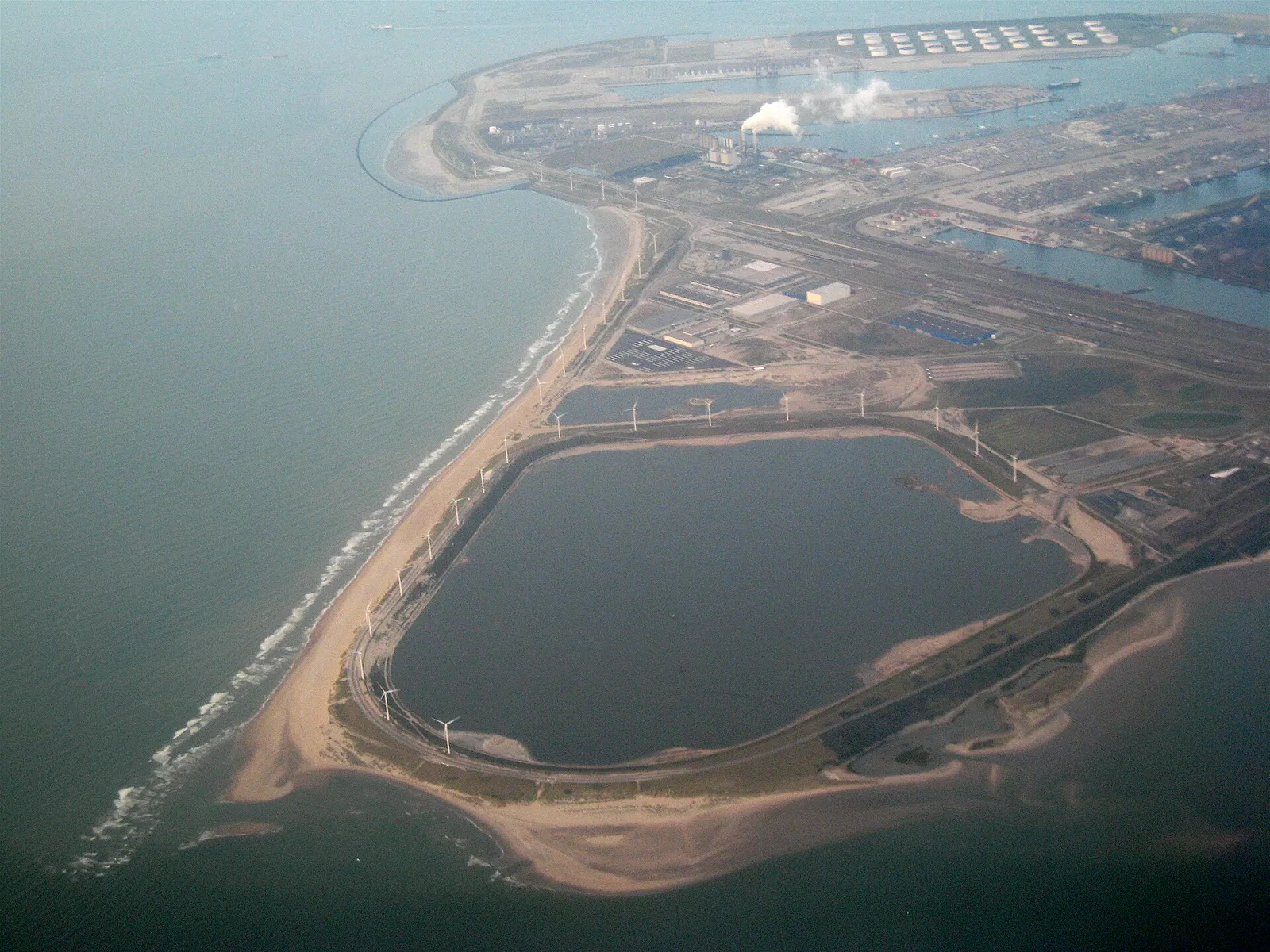
The Port of Rotterdam, the largest in Europe and a gateway for about a quarter of the continent's fuel, is caught between two identities: a century-old engine of the oil and gas trade, and a would-be leader of the shift to cleaner energy. The port authority is investing heavily in hydrogen and carbon capture, but environmental groups and legal campaigners argue the change is coming too slowly to match the scale of the problem.
An industrial giant
Rotterdam's sprawling industrial complex is one of the most concentrated sources of emissions in the Netherlands, home to refineries and petrochemical plants run by companies including Shell, ExxonMobil and BP. The fuels that pass through it feed economies across northwest Europe, which is precisely what makes the port both strategically vital and environmentally fraught. The authority has set out a climate plan aiming for full climate neutrality by 2050, with a steep cut in emissions from the port's industry by 2030.
The green push
The port is trying to remake itself as a hub for lower-carbon energy. Projects underway or planned include large-scale green hydrogen production, a shift toward renewable and synthetic fuels, and the Porthos scheme to capture carbon dioxide from industry and store it beneath the North Sea. The authority is also installing shore-power connections so that ships can plug into the electricity grid at berth rather than running their engines, and it is positioning Rotterdam as a landing point for hydrogen imports from abroad. Taken together, the plans are among the most ambitious of any major port.
The criticism
To campaigners, that is not enough. The clean-energy group Transport and Environment ranked Rotterdam as Europe's most carbon-polluting port, and accused port interests of resisting tougher rules on shore-side electrification. Environmental lawyers have pressed the authority to compel the companies operating on its land to wind down fossil-fuel activity. The port rejected that demand, saying it falls outside its legal remit and warning that a forced exit would threaten Europe's energy security and its industrial base. Critics counter that adding clean projects around the edges does little while the fossil volumes keep flowing.
The wider dilemma
Rotterdam's predicament is, in miniature, Europe's. The continent wants to decarbonize without hollowing out the industry and energy supply on which it depends, and the port sits at the exact point where those aims rub against each other. Its transformation is real but partial: new hydrogen and capture infrastructure is being built even as tankers of oil and gas continue to arrive. How quickly the balance tips, and whether the pace satisfies either the climate targets or the campaigners, will be a test not just for one port but for the model of a managed transition it is trying to embody.