For families squeezed by the cost of a summer holiday, one of the oldest tricks in travel is finding new followers: swap your home for someone else's, and skip the hotel bill entirely. Home-swapping, in which two households agree to stay in each other's houses, is being rediscovered as accommodation prices climb, offering a way to travel for little beyond an annual membership.
How it works
The idea is simple. You list your home on an exchange platform, someone whose place you would like to visit lists theirs, and if the dates and preferences line up, you trade keys. No money changes hands between the two households; the cost is the platform fee. Established services have been arranging this for decades: Intervac has connected exchangers since the 1950s, while newer platforms such as HomeExchange run on annual memberships, some using a points system so that hosting guests earns credit toward stays elsewhere.
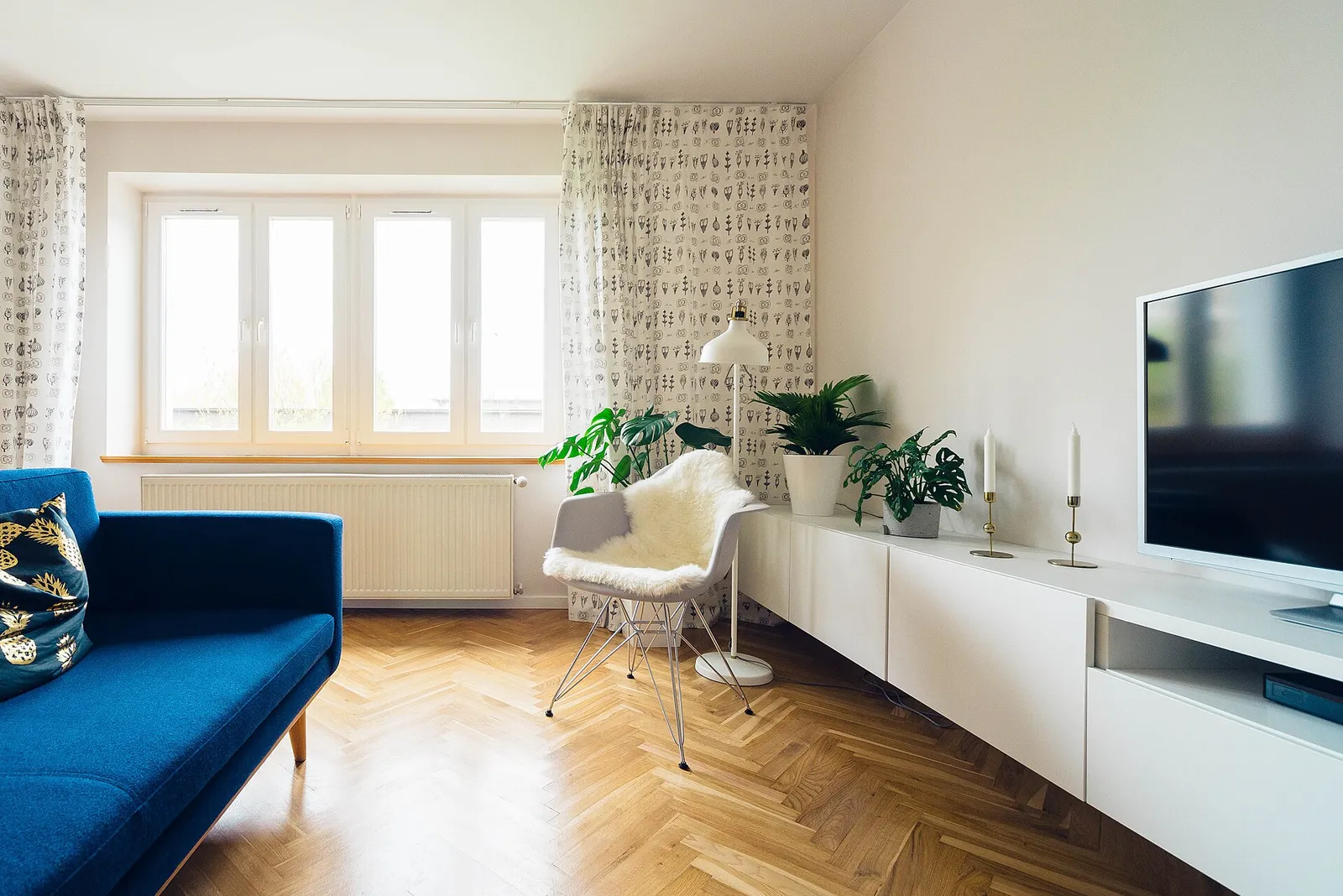
The appeal, beyond the savings, is a different kind of trip. Instead of a hotel room, families get a whole house, a kitchen to cook in, and a neighborhood to live in like locals rather than tourists. For those traveling with children, a home with space and a garden can be more comfortable, and more affordable, than several nights in a hotel.
The catches
None of this is free of friction. The central hurdle is trust: letting strangers into your home, and staying in theirs, requires a leap that not everyone is willing to make. Platforms try to lower the risk with identity verification, reviews, damage guarantees and deposits, and they say problems are rare. Even so, mishaps happen, from breakages to homes left in a poor state, and travelers weighing a swap should read the fine print on what protection a membership actually provides.
Insurance is the detail most easily overlooked. A standard home policy may not cover a property while non-paying guests are staying in it, and a guide from the comparison service Quotezone warns that failing to tell your insurer about a swap could leave you uncovered if something goes wrong. The safe course is a call to the insurer before agreeing to anything.
An old idea, back again
Home exchange is not new; it has quietly served teachers, academics and adventurous families for generations. What has changed is the context. As hotels and short-term rentals have grown more expensive, the economics of swapping look more attractive, and online platforms have made it far easier to find a match and to build in some reassurance. It will not suit everyone, and it asks for flexibility and a degree of faith. But for travelers willing to open their front door, it offers something increasingly scarce: a holiday that does not have to cost a fortune.