They are hard to miss this summer: slickly produced adverts, on Facebook, YouTube and elsewhere, for a pocket-sized "portable air conditioner" that can supposedly cool an entire room in about 90 seconds, sometimes with the added flourish that it was "designed by former NASA engineers." The claims are eye-catching. They are also, according to Britain's advertising regulator, usually too good to be true.
What the regulator says
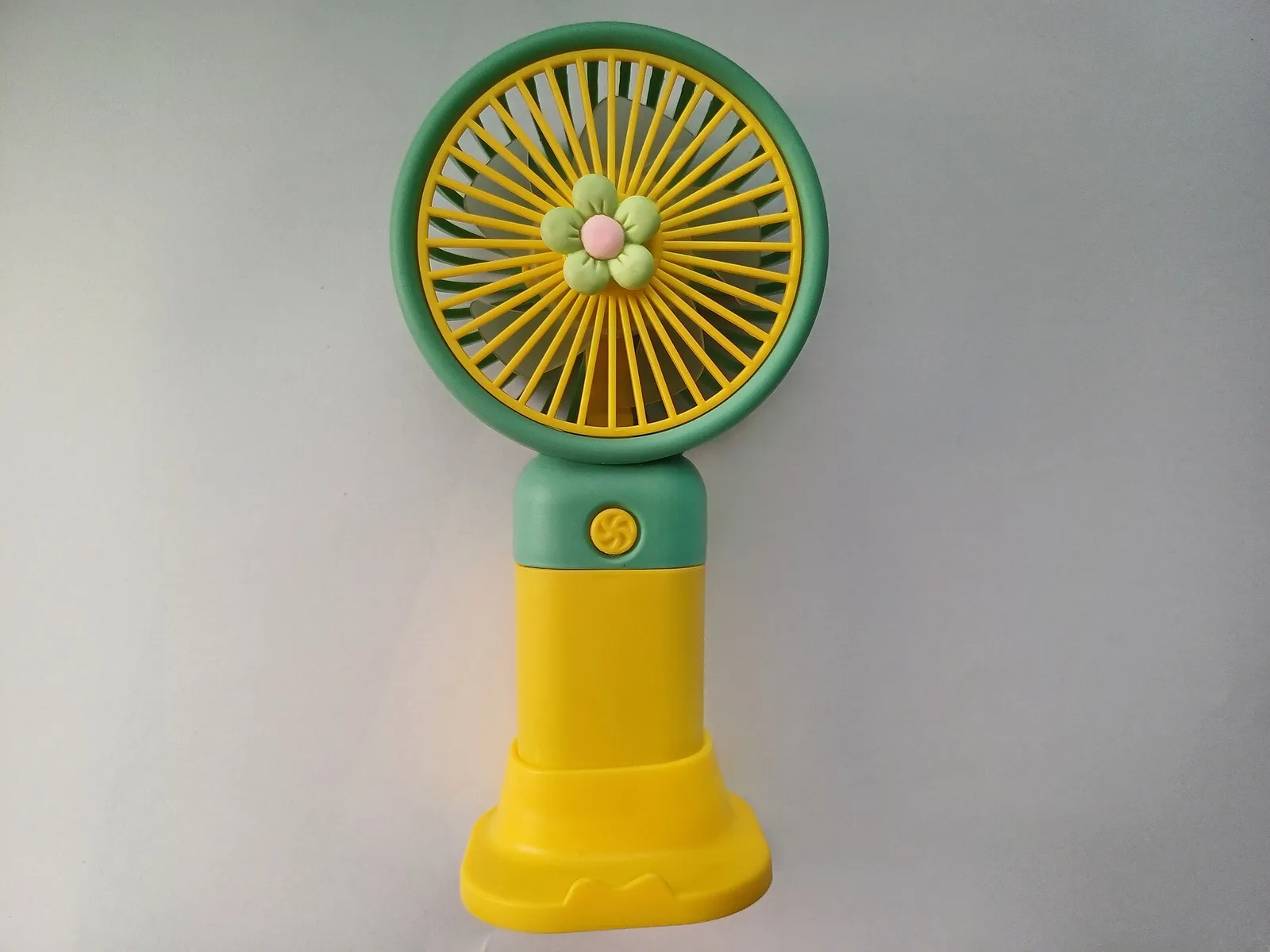
The Advertising Standards Authority has warned that many of these products come with exaggerated claims, including that a small, cheap device can cool a whole home within minutes while using very little electricity, as detailed in reporting on the trend. The adverts are often dressed up with dramatic customer reviews describing sudden, sharp drops in temperature. When one reviewer bought several of the gadgets to test them, the reporting notes, a machine costing around £70 turned out to be a small, simple fan worth only a few pounds.
Why the claims do not hold up
The gap between the promise and the product comes down to physics. A real air conditioner uses a compressor and a refrigerant to actively pull heat and moisture out of the air, and it needs a way to expel that heat, which is why window and portable units have a hose or an outdoor part. The little devices sold in these adverts do no such thing. Most are simply personal fans, or "evaporative" coolers that blow air over water or a damp pad. They can feel pleasant if you sit right in front of one, much like any desk fan, but they do not lower the temperature of a room, and evaporative cooling works poorly in humid conditions in any case.
How to spot the exaggeration
There are some reliable tells. Genuine cooling products quote their capacity in recognized units, such as BTUs, and describe how they vent heat; the misleading adverts tend to skip those specifics in favor of vague superlatives. Be wary of grand origin stories ("secret NASA technology," "an industry breakthrough"), of reviews that all rave in oddly similar language, and of countdown timers and stock warnings designed to rush a purchase. Poor spelling and grammar, and a seller that is hard to identify or contact, are further warning signs.
What to do instead
If you want to cool a single room and can vent the hot air outside, a real portable or window air-conditioning unit will do the job, and its specifications will say so plainly. If you simply want moving air, an ordinary fan is honest about what it is, and far cheaper than a rebranded one sold as something it is not. Before buying anything advertised with a too-good-to-be-true claim, it is worth pausing to check the specifications and the seller, and to read reviews from sources other than the advert itself. Suspected scams can be reported to consumer-protection authorities. The heat is real enough this summer; the 90-second miracle, for the most part, is not.