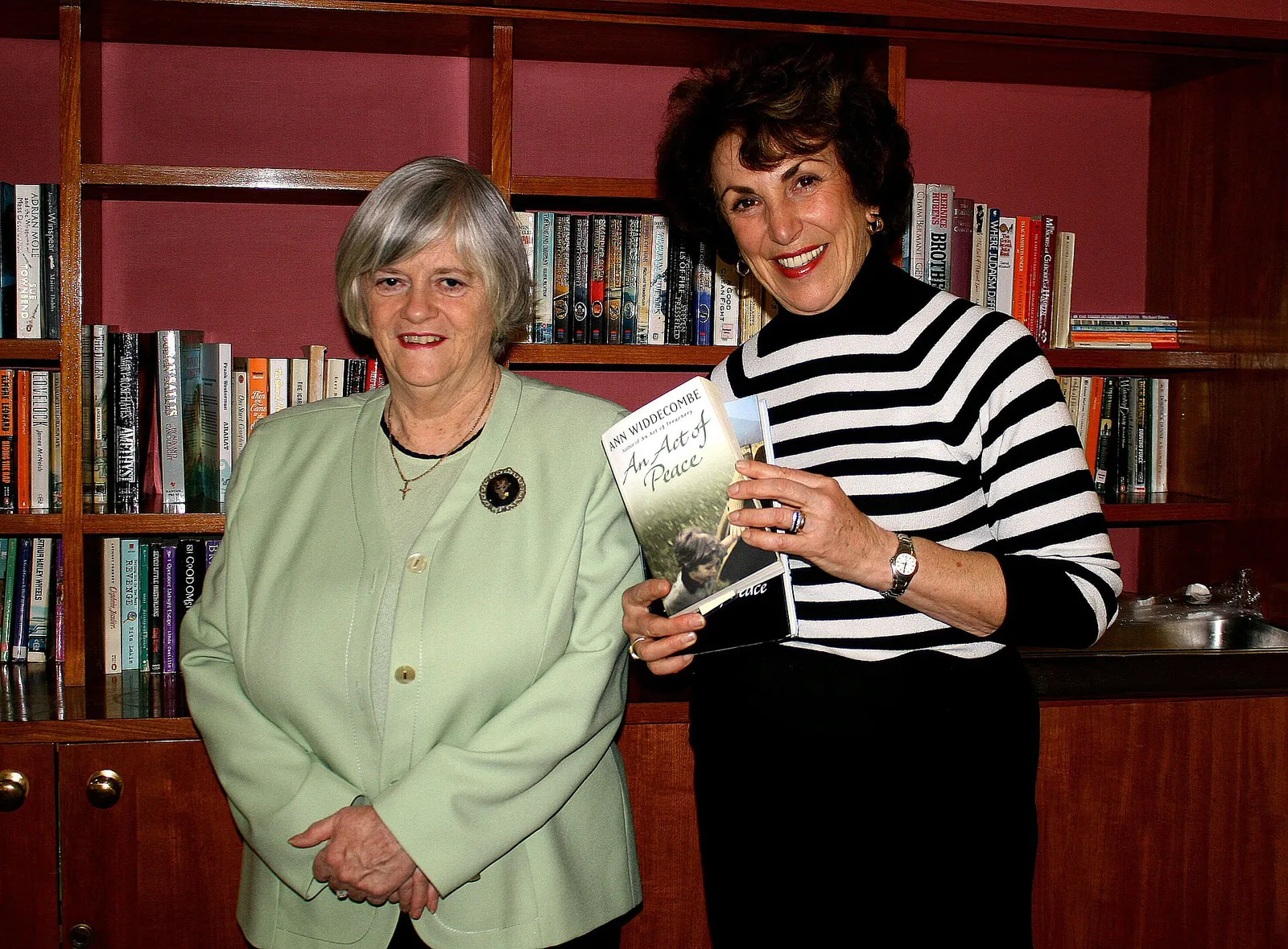
Ann Widdecombe, one of the most recognizable and combative figures in recent British public life, has died at the age of 78. Her management team announced the death on Thursday, describing her as "the Rt Hon Ann Widdecombe, DSG," ITV News reported. It has since emerged that Devon and Cornwall Police are treating her death as murder, after she was found dead with serious injuries at her home in the Dartmoor area; a man who was arrested was later released and is no longer part of the inquiry. Blunt, devout and unafraid of unpopularity, she made a career of saying plainly what many politicians would not.
This profile of her life and career is accompanied by newsparlor's separate report on the murder investigation.
A Westminster career
Widdecombe was the Conservative Member of Parliament for Maidstone, later Maidstone and The Weald, from 1987 to 2010. She held ministerial office under John Major, serving as employment minister and then, from 1995 to 1997, as minister of state for prisons, a role in which she became a firm and sometimes controversial voice on law and order. Her Roman Catholic faith, to which she converted while in Parliament, shaped many of her positions, and she was never reticent about defending them, whatever the political weather.
From Parliament to Brexit
Long a Eurosceptic, Widdecombe found a second political life in the campaign to leave the European Union. She was elected to the European Parliament in 2019 for Nigel Farage's Brexit Party, a pointed irony for a committed opponent of the institution, serving until the United Kingdom's departure the following year, the Scotsman reported. In 2023 she joined Reform UK, the Brexit Party's successor, becoming a spokesperson on immigration and justice and remaining active in its cause.
An unlikely television star
To a generation who knew little of her ministerial record, Widdecombe was familiar from television. Her appearance on the BBC's "Strictly Come Dancing" in 2010, partnered with Anton du Beke, was gleefully unpolished: low-scoring with the judges but hugely popular with viewers, she was hauled and hoisted across the floor week after week and lasted deep into the competition. She later appeared on other programs, including "Celebrity Big Brother," turning a reputation for severity into an oddly endearing public persona.
A divisive legacy
Widdecombe was, by any measure, a polarizing figure. Her views on immigration, crime and social questions drew strong criticism from opponents, who found them hardline, and equally strong loyalty from those who saw her as a rare politician willing to speak her mind. Tributes after her death reflected that split-screen quality. The Conservative leader, Kemi Badenoch, called her "a formidable politician who was never afraid to speak her mind," while Farage described her as "an absolute force of nature." Admirers and critics alike tended to agree on one thing: that she said what she believed, and let others make of it what they would. It is a description she would likely have accepted without complaint.