At least a million women and girls in humanitarian crises have lost access to vital support as a collapse in funding forces the organizations that help them to cut back or shut down, UN Women said. The agency, which works on gender equality and women's rights, warned that the reductions were falling hardest on services for survivors of violence and for women displaced by conflict, Al Jazeera reported.
What the agency found
UN Women based its warning on a survey of hundreds of women's organizations working on the front lines of crises, according to UN News. The picture it painted was bleak: a large majority said they could no longer meet the needs in their communities, a substantial share said they were serving fewer people even as demand rose, and many warned they could be forced to suspend or close their work within a year. Crucially, the agency said, most reported cutting services to prevent and respond to gender-based violence, at a time when such violence in conflict settings has been rising.
Who is affected
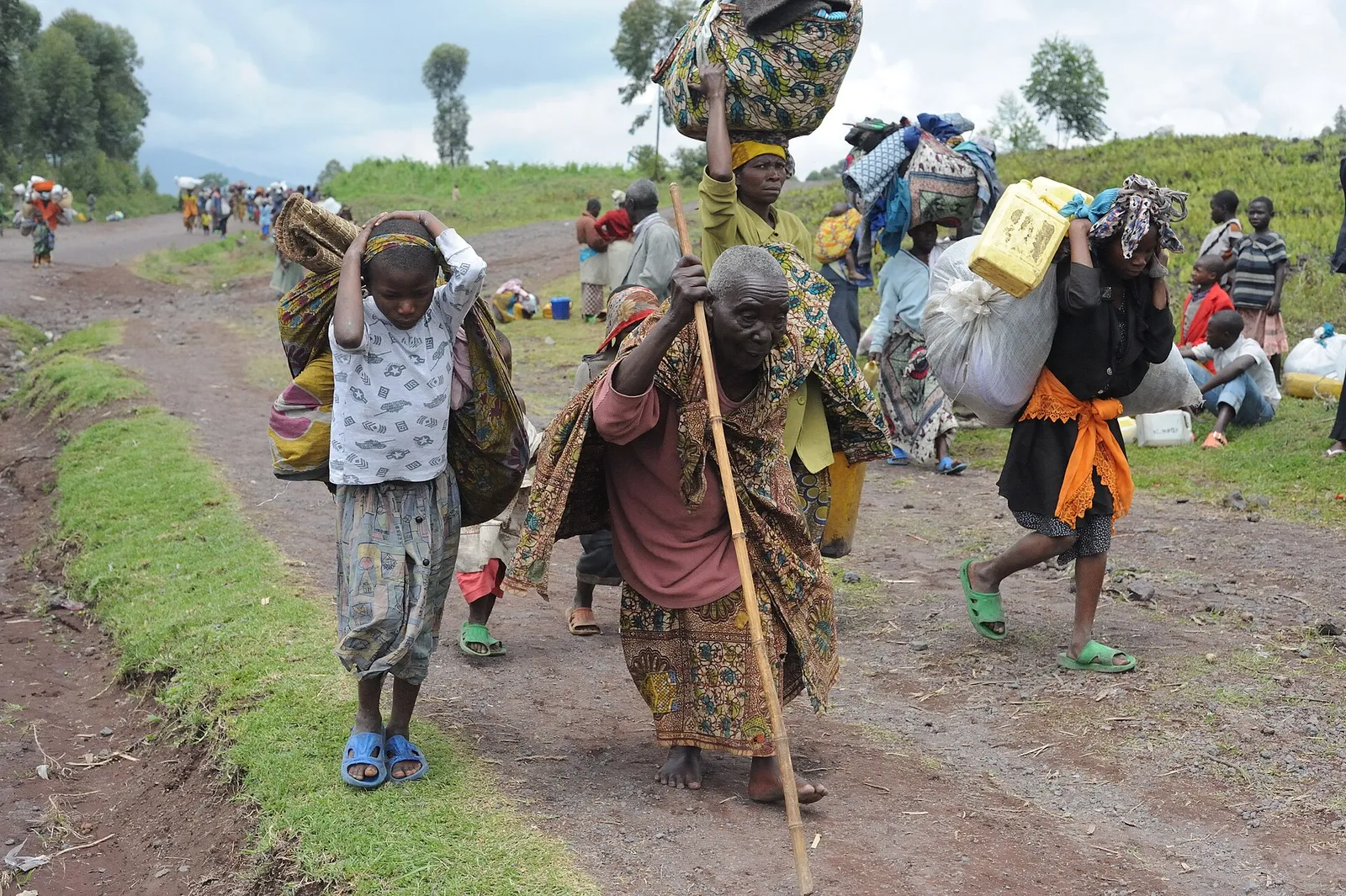
The consequences, UN Women said, are concentrated among the most vulnerable: women and girls in places already gripped by war and displacement, where the organizations now cutting back are often the only source of safe spaces, medical care, counseling and support for survivors of sexual violence. Programs helping displaced girls stay in education are also affected. The agency identified crisis-hit countries, among them the Democratic Republic of the Congo, Haiti and Afghanistan, as among the hardest hit, part of a much wider group of nations where the funding squeeze is being felt.
Why funding fell
UN Women tied the crisis chiefly to a steep drop in international aid, led by large cuts to United States funding following the sharp reduction of American aid programs, alongside reductions by other major donors that have redirected spending elsewhere. Whatever the mix of causes, the effect described by the agency is a system pulling back from women-focused humanitarian work precisely as needs grow. A senior UN Women official put the human stakes bluntly, saying that every dollar withdrawn from women's organizations is a dollar taken from survivors of sexual violence, displaced mothers and girls pushed out of school.
The wider picture
The warning adds to a growing body of concern from aid agencies about the effect of funding cuts on the world's humanitarian response, in which programs for women and girls are often among the first to be squeezed. UN Women framed its findings as an appeal to donor governments to restore support before more organizations fold. Without it, the agency argued, hard-won networks of local support built up over years could be dismantled quickly and rebuilt only slowly, leaving some of the world's most exposed women and girls with nowhere to turn at the moment they most need help.