
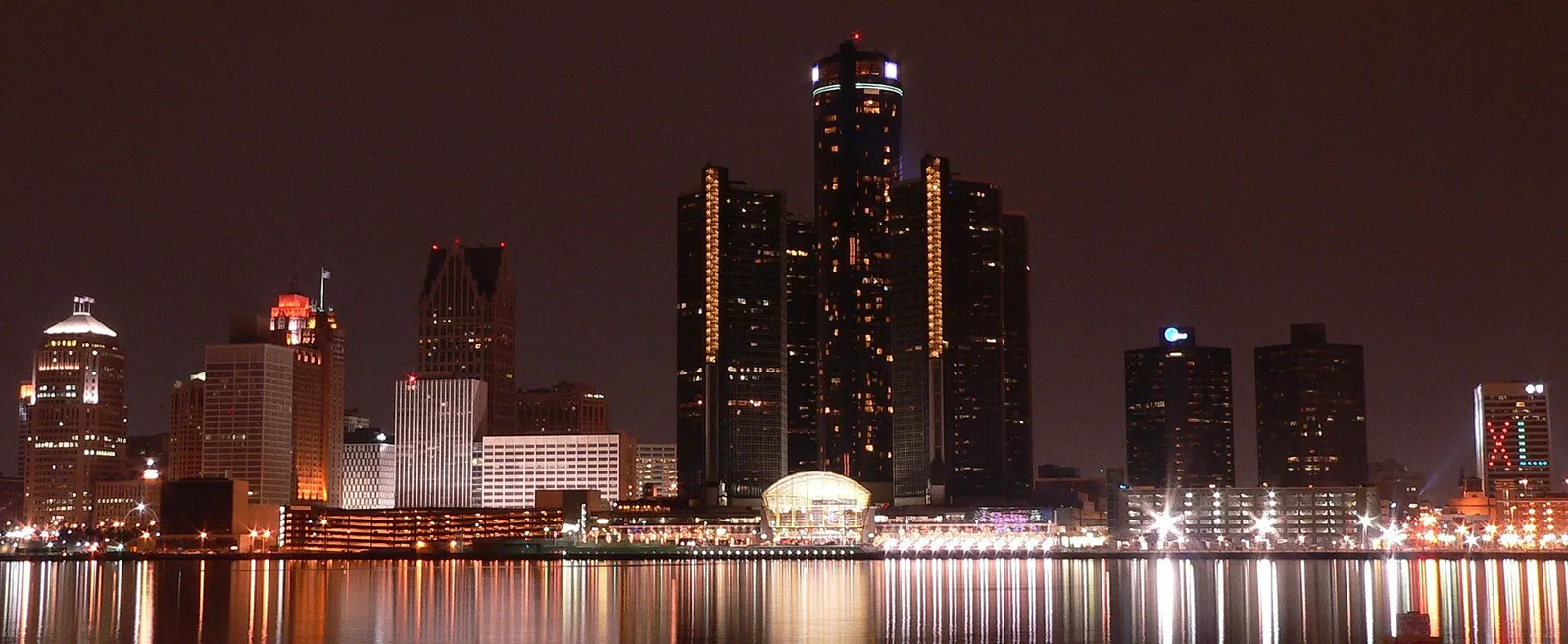
A major new bridge between the United States and Canada is finally set to open, after the two governments resolved a dispute that had held it up. The Gordie Howe International Bridge, which links Detroit with Windsor, Ontario, across the Detroit River, is due to open on July 27, BNN Bloomberg reported, following an agreement that ended a standoff over the terms of its operation.
A long-planned crossing, delayed
The bridge has been years in the making. Financed by Canada at a cost reported at 6.4 billion Canadian dollars, it was built to relieve pressure on the aging Ambassador Bridge, the privately owned crossing that has long been the main route for road traffic between the two cities and a critical artery for trade. The Detroit-Windsor corridor is one of the busiest on the US-Canada border, carrying a large share of the land trade between the countries, and the automotive and manufacturing industries in particular depend on goods moving smoothly across it.
The standoff
The opening had been delayed amid a dispute involving the Trump administration. According to reports, President Donald Trump pressed for the United States to receive a share of the bridge's revenues before it could begin operating, and a planned opening in June was postponed. Canada's government said it had agreed to delay the opening to resolve outstanding issues, CBC News reported. The eventual agreement, as described in the reporting, gives the US government a share of the toll revenue and a say over future toll increases, terms that amounted to a notable concession from the side that had built and paid for the bridge.
A political subplot
The episode has drawn scrutiny because of who stands to gain or lose. The owners of the competing Ambassador Bridge have an obvious commercial interest in limiting a rival crossing, and some critics have questioned whether that private interest played any part in the delay. Fact-checkers who examined the claim have noted that, while the timing invited suspicion, a direct link has not been established. Newsparlor could not independently verify any such connection, and it should be treated as unproven speculation rather than fact.
Why it matters
Set against a period of real friction between Washington and Ottawa over trade, the deal is a reminder that the two economies remain deeply intertwined, and that even contested infrastructure tends, eventually, to get built and used. For businesses on both sides of the river, a second modern crossing promises shorter waits, more resilience if one bridge is disrupted, and, with tolls reported to undercut the Ambassador Bridge, an incentive to switch. The larger significance is what the dispute revealed: that in the current climate, even a bridge financed entirely by one country can become a bargaining chip, and that cross-border cooperation now comes with harder negotiations attached.