
The crisis at Thames Water, which supplies water and sewage services to around 16 million people in London and south-east England, is set to become an early test for Andy Burnham, who is about to take over as Britain's prime minister.
The company is struggling under a debt pile of roughly £20 billion and has warned it could run short of money in the coming months without a rescue or government intervention. Its troubles, built up over years of heavy borrowing, underinvestment in ageing pipes and repeated sewage spills, have made it a lightning rod for public anger over the state of England's privatised water industry.
Two options, both awkward
Broadly, the incoming government faces a choice between two difficult paths. Thames Water's creditors, a group of large investment funds, have put forward a rescue that would write down billions of pounds of debt and inject fresh money, but reportedly on conditions such as leniency on penalties and higher customer bills. The alternative is a "special administration regime", a form of temporary nationalisation in which the state steps in to keep the taps running while the company is restructured.
More than 100 members of parliament have signed a letter calling for special administration, arguing it would better protect customers and the environment. Ministers, however, worry that taking the company onto the public books could expose taxpayers to unexpected costs.
Burnham's dilemma
The politics are especially tricky for Burnham, who has spoken in favour of public ownership. "Public ownership is absolutely an option," he has said of Thames Water, according to CNBC, suggesting that is the route he would prefer. Yet acting on that instinct could carry a large bill and legal complications, while backing a creditor-led rescue would sit awkwardly with his rhetoric and risk a backlash from voters furious about sewage in rivers and rising charges.
The company itself has cautioned that uncertainty over the new government's intentions could unsettle the creditor deal, potentially tipping it toward the very special administration ministers are wary of. The regulator, Ofwat, and the outgoing government have also been weighing the options, and campaigners have pressed for a solution that does not simply pass costs to bill-payers.
Why it matters now
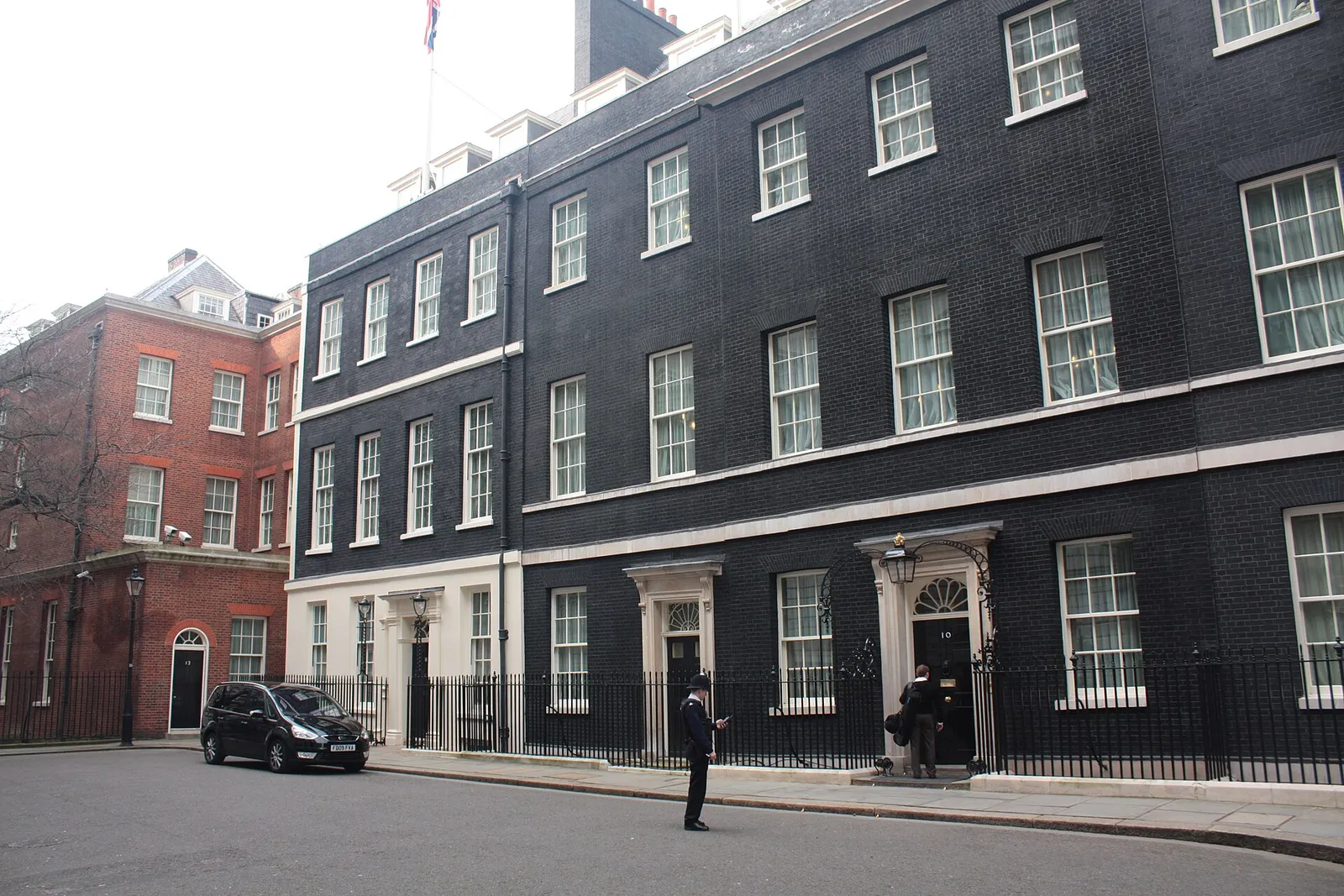
The timing puts the decision squarely in front of Burnham almost as soon as he enters Downing Street. Whichever way he turns, Thames Water is likely to define an early chapter of his premiership: a test of whether a government that has talked about reforming a discredited system is willing to act on it, and at what cost. For the millions who depend on the company, the outcome will determine whether their water provider ends up back in public hands or remains, restructured, in private ownership.