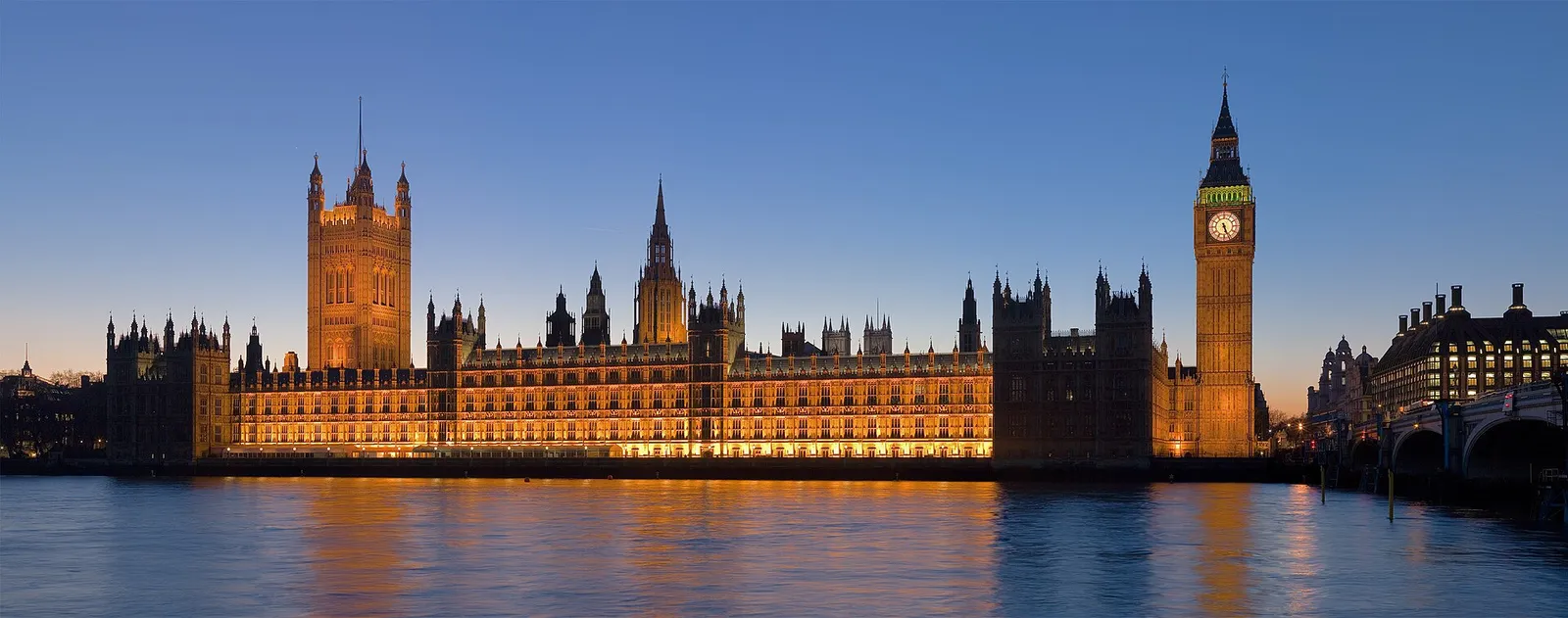
Keir Starmer answered questions in the House of Commons as prime minister for the last time on Wednesday, marking the end of a premiership that rose and fell with unusual speed.
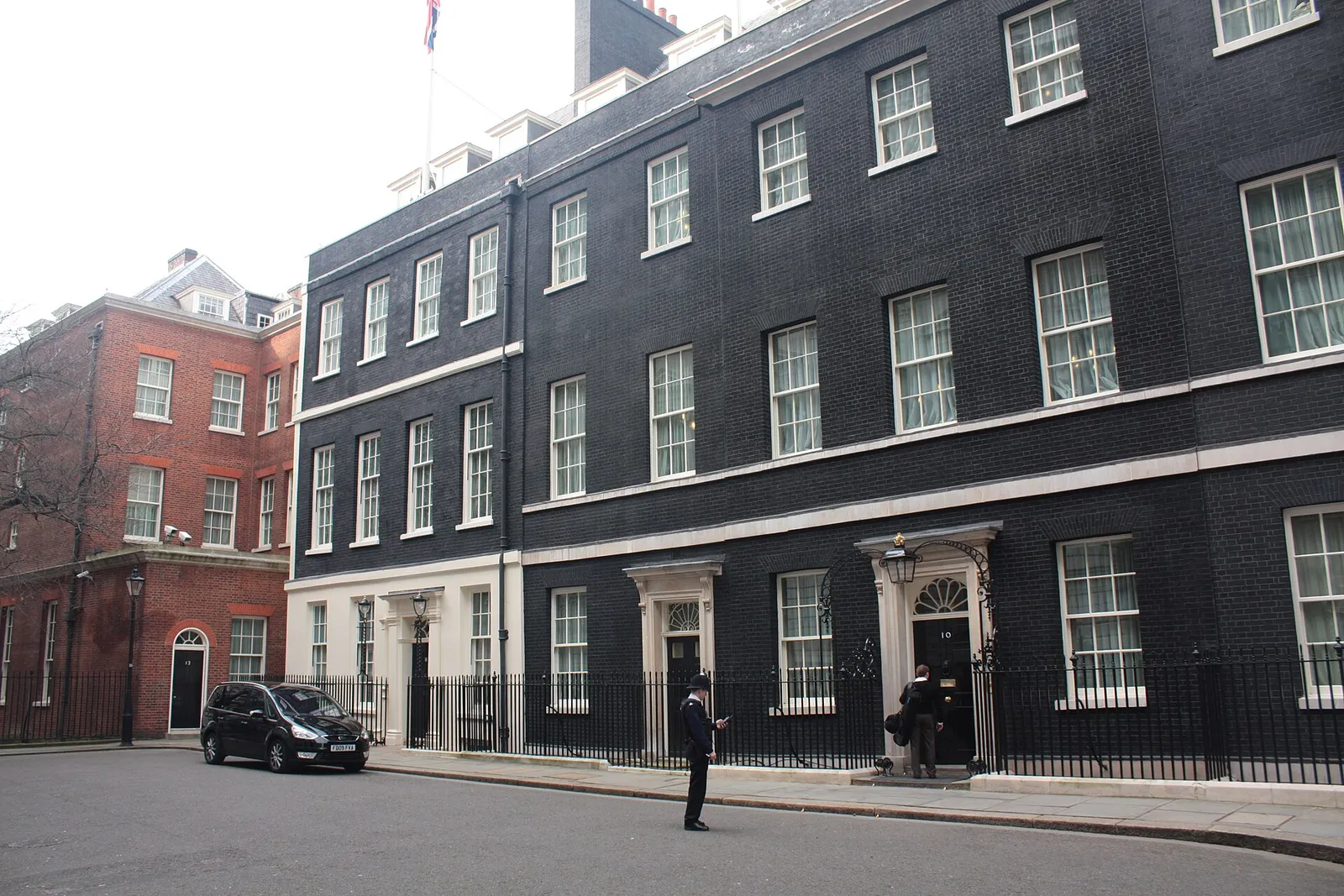
Facing the Conservative leader Kemi Badenoch across the despatch box, Starmer held his final Prime Minister's Questions ahead of a handover to Andy Burnham, the former mayor of Greater Manchester, who is set to become prime minister within days. Earlier in the day, Starmer held a final meeting with his cabinet in Downing Street.
A rapid fall from a landslide
Starmer's exit caps a striking reversal. He led Labour to a commanding general-election victory in 2024, but his government's standing eroded amid internal splits and policy rows. After a poor set of local election results and a string of ministerial resignations, he announced in June that he would stand down, acknowledging he had lost the confidence of Labour MPs.
Under Labour's rules, a leadership contender must be a sitting member of parliament. Burnham secured that footing by winning a by-election last month, then rapidly consolidated support within the parliamentary party.
Burnham set to take over
Burnham emerged as the overwhelming favourite, winning the backing of the large majority of Labour MPs and leaving no rival able to mount a serious challenge. He is expected to be confirmed as Labour leader at the end of the week and to travel to Buckingham Palace shortly afterward to be formally asked to form a government, completing the transfer of power.
Another turn of the revolving door
Starmer's departure adds to a remarkable period of instability at the top of British politics, with the country cycling through prime ministers at a pace not seen for generations. For Labour, the hope is that Burnham can steady a government that has struggled to translate a huge parliamentary majority into a settled sense of direction. For Starmer, the final session at the despatch box brought down the curtain on a premiership that, for all its early promise, proved unexpectedly brief. Attention now turns to the incoming prime minister, and to whether a change of leader can change the government's fortunes.