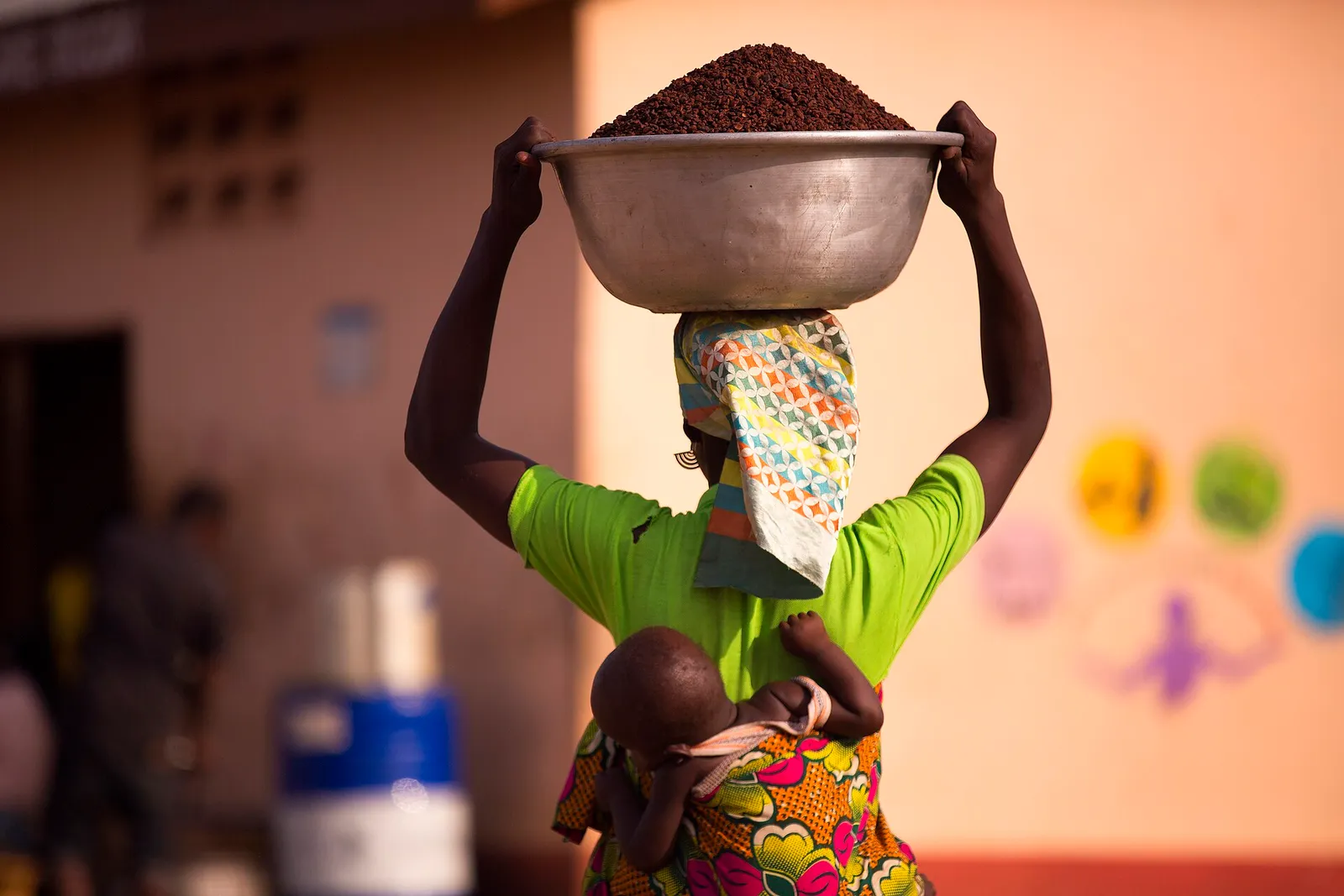
Across the parklands of northern Uganda, the shea tree has for generations been a quiet source of livelihood, its nuts pressed into butter that is sold, cooked with and traded, largely by women. But the trees are under threat, and one woman's answer begins with the waste the crop leaves behind.
Lucy Everlyn Atim, a climate campaigner, runs a social enterprise that takes the husks and residue left after shea butter is processed and presses them into fuel briquettes, Al Jazeera reported. The briquettes burn more cleanly than charcoal and give households an alternative to cutting down trees for fuel. "The destruction of shea trees is alarming," Atim told the broadcaster.
Trees under pressure
The threat to shea is bound up with how Uganda cooks. The great majority of households rely on charcoal and firewood, and the demand has driven heavy deforestation, with shea trees among the casualties as they are burned for fuel. Researchers have documented a steep decline in mature shea trees across parts of the region over the past two decades.
For women, the loss is not only environmental but economic. In the shea-growing areas, a large share of household income depends on the nuts and their byproducts, so felling the trees for a one-off sale of charcoal undermines a source of earnings that could last for years.
Waste as a resource
The appeal of Atim's approach is that it draws on something already discarded. Women organized into savings groups gather the shea residue and work with the enterprise to turn it into briquettes, adding value to a waste stream and creating work in the process. It is labor-intensive, and expanding output beyond the seasonal shea harvest requires equipment and capital that remain in short supply.
Part of a wider effort
The initiative is one of several in northern Uganda trying to protect shea while supporting the women who depend on it. Community groups have worked to restore degraded shea parkland through replanting and grafting, as Mongabay has documented, and other women-led ventures are turning agricultural waste into cleaner cooking fuel.
None of these efforts, on its own, will reverse the pressures of a growing population's demand for cheap fuel. But together they point to a model in which protecting trees and earning a living are made to reinforce, rather than undercut, each other, an approach whose success will depend on reaching a scale that the charcoal trade has so far always managed to outpace.