
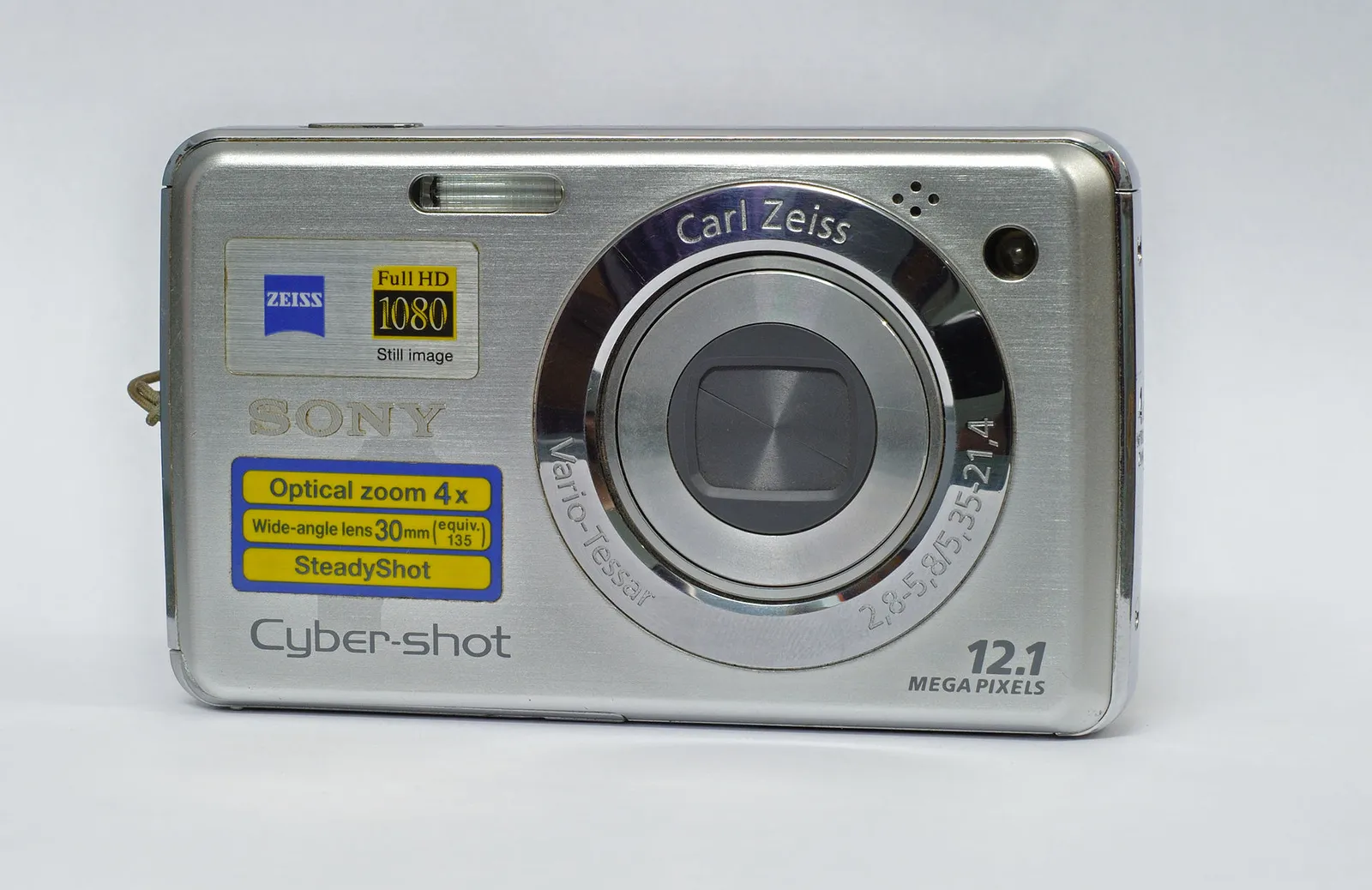
The chunky pocket digital cameras that once lived in every handbag and glovebox, then vanished when phones learned to take better pictures, are enjoying an unlikely second life. This time the buyers are teenagers and twentysomethings, and the appeal is precisely the thing that once seemed a drawback: the images do not look perfect.
Interest in so-called "digicams" has surged. Online searches for the term have climbed to their highest in years, and old Canon, Sony and Fujifilm compacts that sold for a song a decade ago now change hands for well above their original prices on secondhand markets, as NPR has reported. Manufacturers have taken notice, with some releasing new, deliberately low-resolution cameras, among them a Kodak model with a sensor of well under two megapixels, aimed squarely at the trend.
The appeal of imperfection
Part of the draw is nostalgia. The look of the 2000s, all harsh flash, warm colour casts and soft grain, has come back around the way earlier decades' styles always do, and for a generation too young to remember it firsthand, it feels novel rather than dated.
But enthusiasts describe something more than aesthetics. Modern smartphones process every photo heavily, smoothing skin and adjusting light before the user ever sees it. A basic digital camera does no such thing: what you shoot is what you get. For some, that lack of algorithmic interference is the point, a small act of control in an age of automated everything. A camera that does only one thing, they add, encourages people to be present with what is in front of them rather than lost in their phones.
Rebellion, or just a better filter?
Not everyone is convinced the trend is as high-minded as that. Critics point out that the flattering, slightly soft images a digicam produces are not so different from what smoothing apps once promised, only now the effect arrives with an air of authenticity and rebellion rather than vanity. In that reading, the digicam is less a rejection of the polished selfie than a more socially acceptable way of achieving one.
Either way, the market signals are real. Dealers report that premium compact cameras are among the fastest-growing parts of the secondhand trade, and social feeds are full of flash-lit party photos and blurry, candid snaps that look nothing like the carefully composed images that dominated a few years ago.
Whether the revival proves a lasting shift in taste or a passing fashion, it captures a wider mood: a hunger, among people who have never known a world without smartphones, for tools and images that feel a little less perfect, and a little more human.