For years, European leaders have argued that the continent depends too heavily on technology it does not control. The concern is easy to state and, on the numbers, hard to dispute. It is proving far more difficult to do much about.
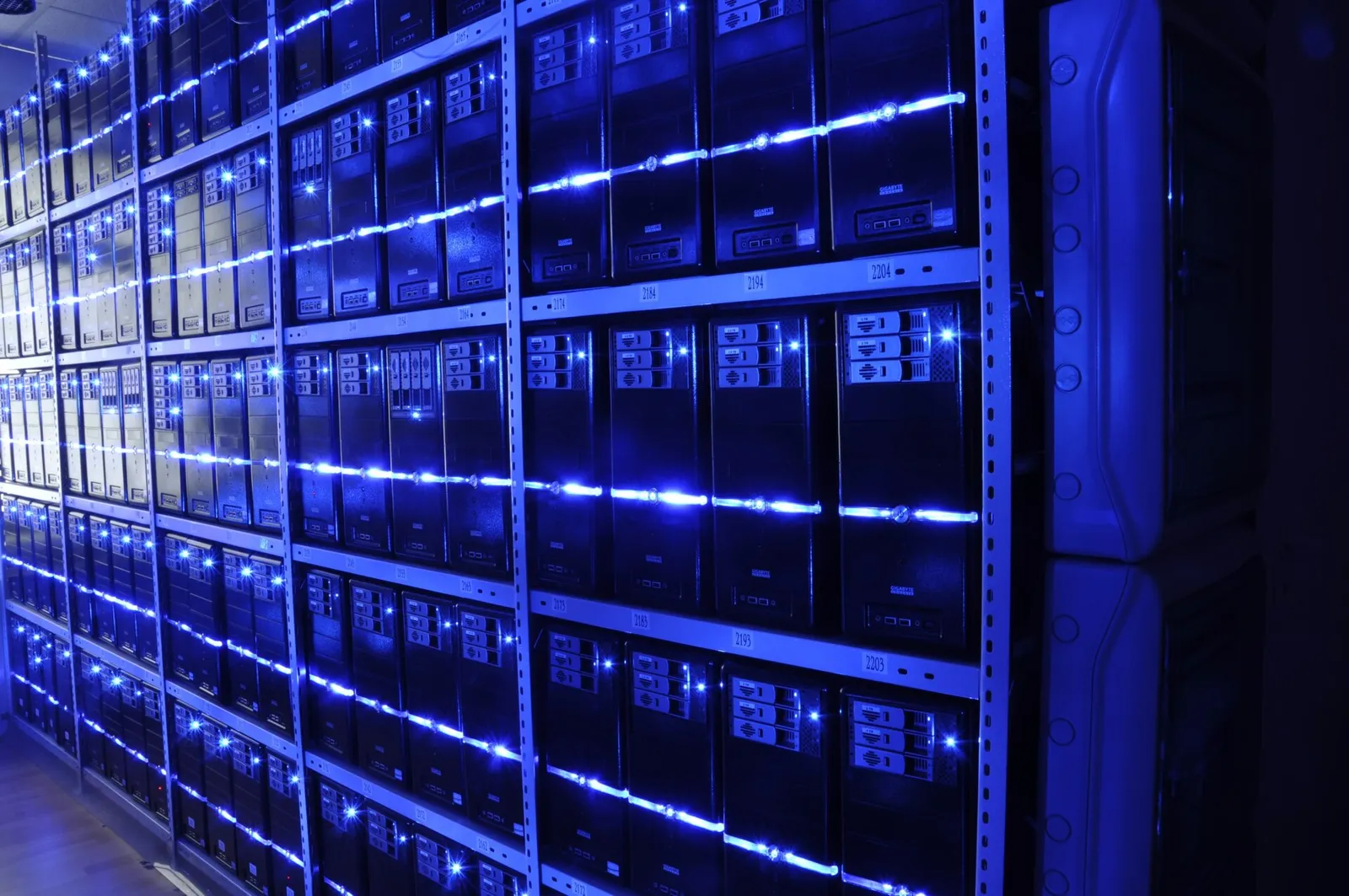
The dependence runs deep in two areas above all: cloud computing and semiconductors. American providers, led by Amazon, Microsoft and Google, dominate Europe's market for cloud services, the remote computing power that underpins much of modern business and government. Europe's own cloud firms have lost ground over the past decade rather than gained it. In chips, the picture is similar: the EU accounts for only around a tenth of global semiconductor production, a fraction of its share in the industry's early decades, and the most advanced chips are made in a handful of plants concentrated in Asia, above all Taiwan.
The case for autonomy
The arguments for reducing that reliance are partly about security and partly about power. Officials worry that critical services, from hospitals to energy grids, run on infrastructure owned abroad and potentially subject to foreign law or political pressure. There is also an economic motive: building a home-grown technology base could keep high-value jobs and profits in Europe rather than flowing to Silicon Valley or Shenzhen. And European regulators, who have led the world in writing rules for data protection and artificial intelligence, want the means to enforce them.
Brussels has responded with a string of initiatives over recent years, including subsidies to attract chip factories and efforts to encourage "sovereign" cloud services that keep European data under European control.
The obstacles
The trouble is that the obstacles are formidable. The dominance of the big American cloud firms rests on economies of scale built up over many years and vast sums of capital, advantages that cannot be conjured quickly. Europe's market, split across many member states with differing rules and preferences, struggles to match that scale. Even well-funded projects have stumbled: the EU's flagship chips programme has disbursed far less than the headline figures suggested, and in 2025 the chipmaker Intel scrapped plans for a major factory in Germany, a blow to the ambition of expanding domestic production.
Analysts also caution against a simple decoupling. Cutting Europe off from American cloud platforms or Asian chips, they argue, could raise costs and hurt competitiveness more than it helps, at least in the near term. Some suggest a more modest goal than full self-sufficiency: securing control of a few indispensable choke points rather than trying to replicate the entire technology stack. Europe already holds one such point of leverage in ASML, the Dutch company whose machines are essential to making the most advanced chips anywhere in the world.
A longer road than the slogans imply
The deeper reality is that interdependence is not easily undone. Taiwan remains central to advanced semiconductors, American platforms run much of Europe's digital life, and Chinese components are woven through global supply chains. Building redundancy and reducing the riskiest dependencies is a reasonable aim, and one many outside experts share. But doing so across cloud computing, chips and artificial intelligence at once would take many years and enormous investment, with no guarantee of success.
"Digital sovereignty" is likely to remain a fixture of European political language. Turning it into reality, the evidence so far suggests, will be slower, costlier and messier than the phrase implies.