Argentina players held up a banner reading "Las Malvinas son Argentinas" ("The Malvinas are Argentine") after their semi-final victory over England, a gesture that has drawn attention to FIFA's rules on political messaging and reopened one of sport's most sensitive national disputes.
The banner appeared after Argentina beat England 2-1 to reach the final of the 2026 World Cup, according to the BBC and other outlets. Several players were pictured holding it on the pitch. FIFA's stadium code prohibits banners, flags and equipment carrying "political, religious or personal" messages, and the display raised the question of whether football's governing body would open disciplinary proceedings.
An old and bitter dispute
The islands, which Argentina calls the Malvinas and Britain calls the Falklands, lie in the South Atlantic and have been administered by the United Kingdom since 1833. Argentina claims sovereignty over them, a position woven deeply into its national identity. Britain rejects that claim and points to the islanders themselves, who in a 2013 referendum voted overwhelmingly to remain a British overseas territory. The two countries fought a short war over the islands in 1982 in which hundreds of servicemen on both sides were killed.
Those competing positions mean any reference to the islands at a sporting event is quickly read as political, which is precisely the territory FIFA's rules are written to keep out of the game.
Precedent and possible sanction
There is a clear precedent. In 2014 the Argentine Football Association was fined by FIFA after players unfurled a near-identical banner before a friendly, with the governing body ruling that it breached the ban on political statements. Analysts noted that, if FIFA acted again, any penalty would most likely take the form of a fine or reprimand for the federation rather than anything affecting Argentina's place in the final.
As of Thursday FIFA had not announced whether it would investigate, and did not immediately comment publicly on the incident.
Politics and pride
In Argentina, the sentiment behind the banner is widely shared across the political spectrum, and some public figures defended the players. The country's vice-president, Victoria Villarruel, framed the cause as a matter of national feeling, saying Argentines carried it "in our blood and in our hearts." British officials have not commented in detail, and the islanders' own representatives have long insisted that their future is for them to decide.
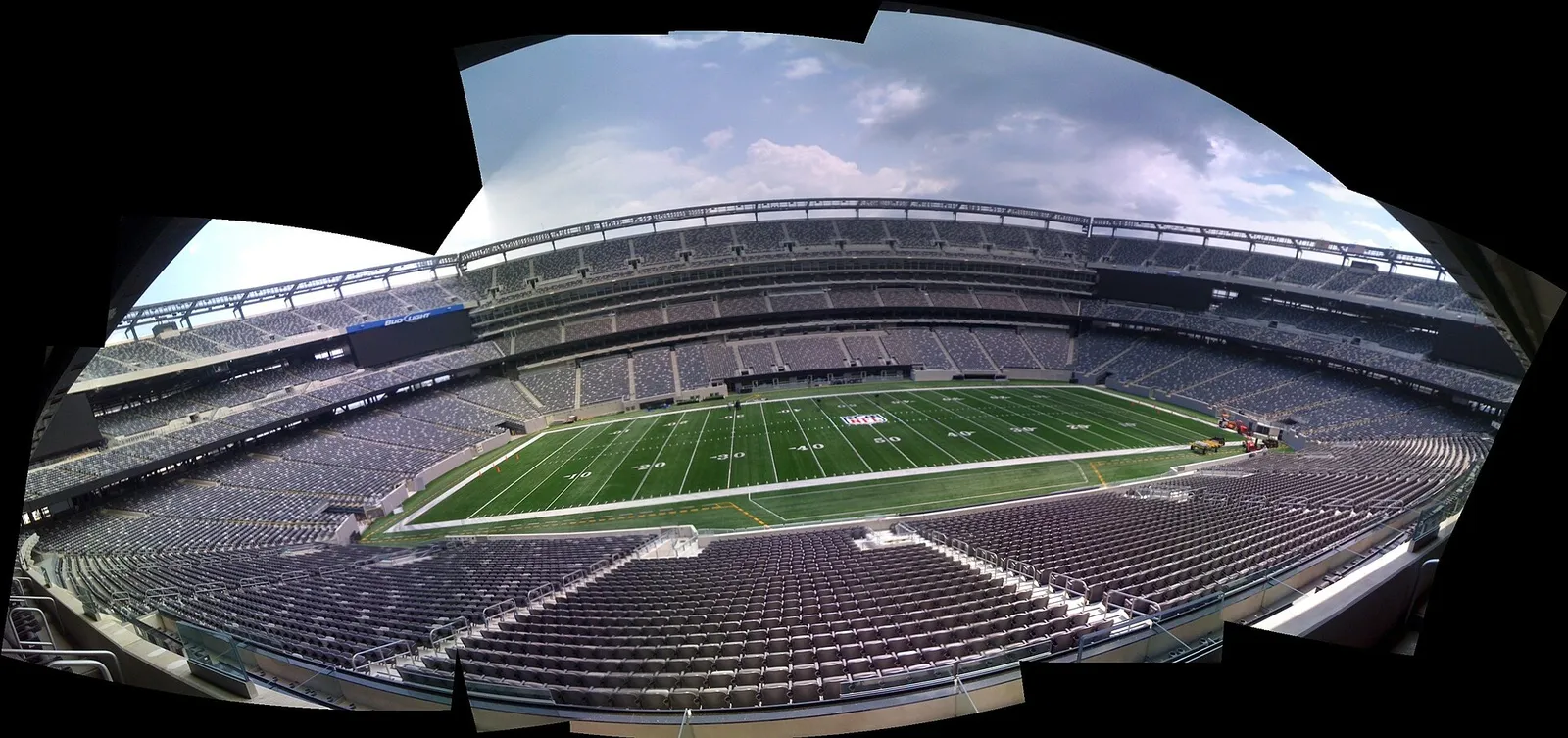
Argentina, the reigning world champions, are due to meet Spain in the final on Sunday at MetLife Stadium near New York. For all the noise off the pitch, the players will hope the focus returns to the football, though the episode is a reminder of how readily a sporting stage can become an arena for disputes that reach far beyond it.