Steak has rarely been this expensive in America — and yet Americans keep buying it. Beef prices have hit record highs, the result of a cattle supply squeezed to its tightest in decades, even as consumer demand refuses to buckle.
Record prices
The average retail price of fresh beef reached about $9.64 a pound in April, up roughly 13 percent from a year earlier, KCUR reported, citing US Department of Agriculture data. Ground beef — the cut most Americans reach for — has climbed to record levels of its own, near $6.69 a pound late last year, and prized cuts like ribeye steak have run to around $22 a pound.
The USDA has forecast that beef and veal prices will rise further in 2026. For shoppers, the increases are among the most visible in the grocery aisle, and have made beef feel, for some, closer to a luxury than a staple.
A herd at a 70-year low
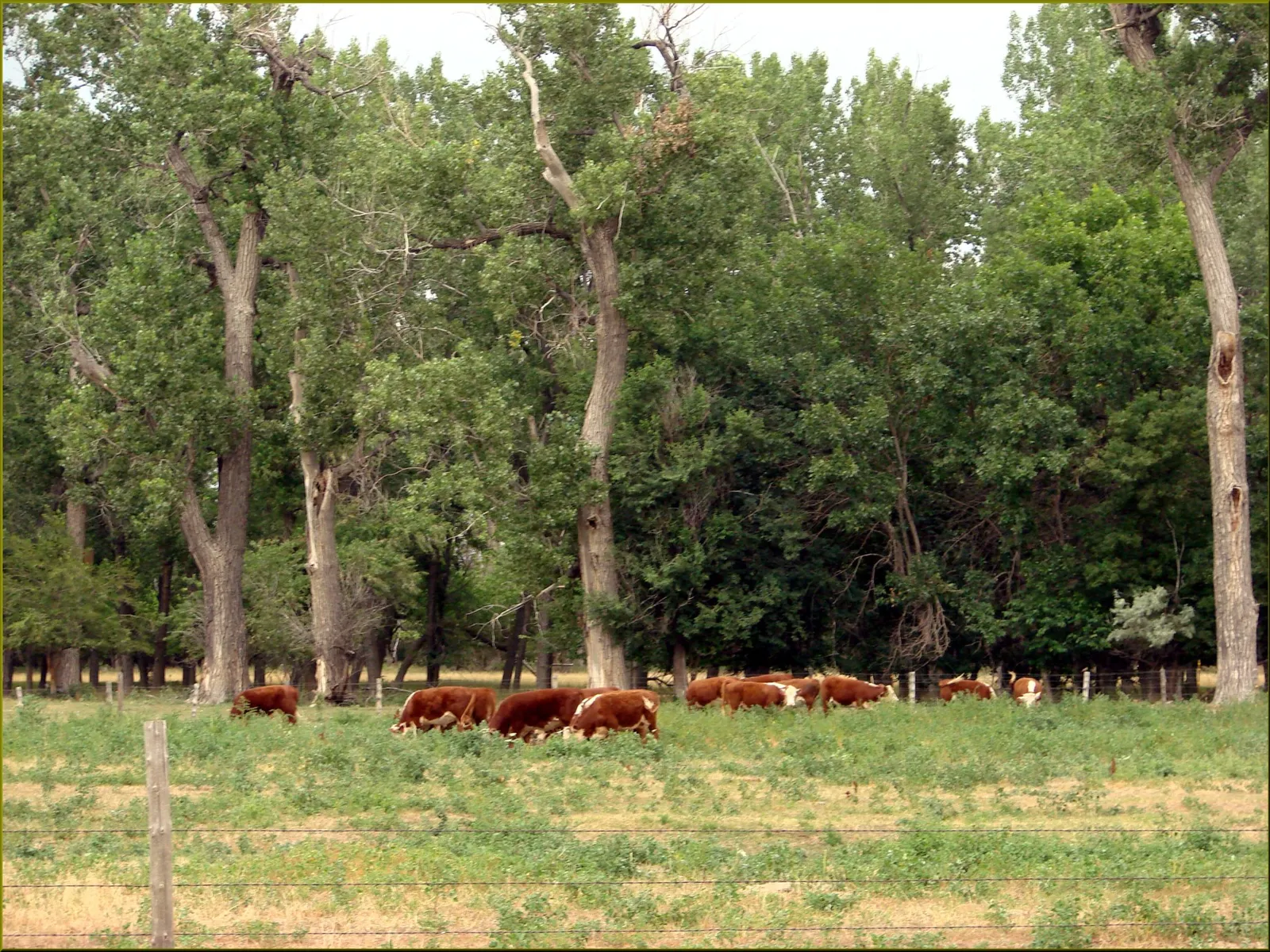
The main driver is simple supply. As of the start of 2026, the US cattle herd stood at about 86 million head — the smallest since the early 1950s, according to USDA figures cited in the reporting. Fewer cattle mean less beef, and prices have risen accordingly.
Behind that shrinkage lies a years-long drought across major cattle states such as Texas, Oklahoma and Nebraska. When pastures dry out and hay grows scarce and expensive, ranchers are often forced to sell off animals rather than feed them — including breeding cows, which shrinks the herd's ability to rebuild. Higher costs for feed, fuel, equipment and insurance have squeezed producers further.
A more recent pressure has added to the strain: US authorities suspended imports of cattle from Mexico after outbreaks of the New World screwworm, a damaging livestock pest, tightening supply still more.
Why demand won't crack
What makes this bout of inflation unusual is that higher prices have not driven shoppers away. Normally, when something gets pricier, people buy less of it. But US demand for beef has held firm — even grown — over the past couple of years, Fortune reported. When budgets tighten, many consumers trade down within beef — to ground beef rather than steak — rather than switching away from it altogether.
Analysts attribute the stickiness to beef's central place in American cooking and cookouts, and to consumers who, so far, have been willing to absorb the cost.
No quick relief
Prices are unlikely to fall soon. Rebuilding a cattle herd is slow work: ranchers must hold back cows for breeding instead of selling them, forgoing income now for larger herds years down the line — a hard choice to make when current prices are so tempting. With little sign of a rapid rebound in cattle numbers, forecasters expect the squeeze to persist for some time.
For now, the arithmetic is unforgiving: strong demand, thin supply and rising costs, all pushing in the same direction. Americans firing up the grill this summer are paying for it.