Much of the United States is sweltering under a dangerous heat wave as it heads into the Fourth of July weekend, with forecasters warning that the combination of high temperatures and heavy humidity poses a real threat to health across a broad stretch of the country.
A heat dome over half the country
The heat is being driven by a "heat dome" — a large area of high pressure that parks over a region and traps hot air beneath it, like a lid. It has settled over the Midwest, the Ohio Valley and the Northeast, NPR reported, pushing daytime temperatures into the high 90s and above 100 degrees Fahrenheit (roughly 38°C and higher).
The National Weather Service has placed more than 100 million people under extreme-heat warnings, with tens of millions more under watches or advisories, and forecasters have said well over 100 million to more than 160 million Americans could be exposed to major or extreme heat risk as the event peaks later in the week.
How hot, and how dangerous
Air temperatures of 100 to 105 degrees are expected in the worst-hit areas, but the more telling figure is the heat index — how hot it feels once humidity is factored in. That could climb to between 100 and 115 degrees from the Midwest to the East Coast, the kind of level at which heat exhaustion and heatstroke become serious risks, especially during exertion.
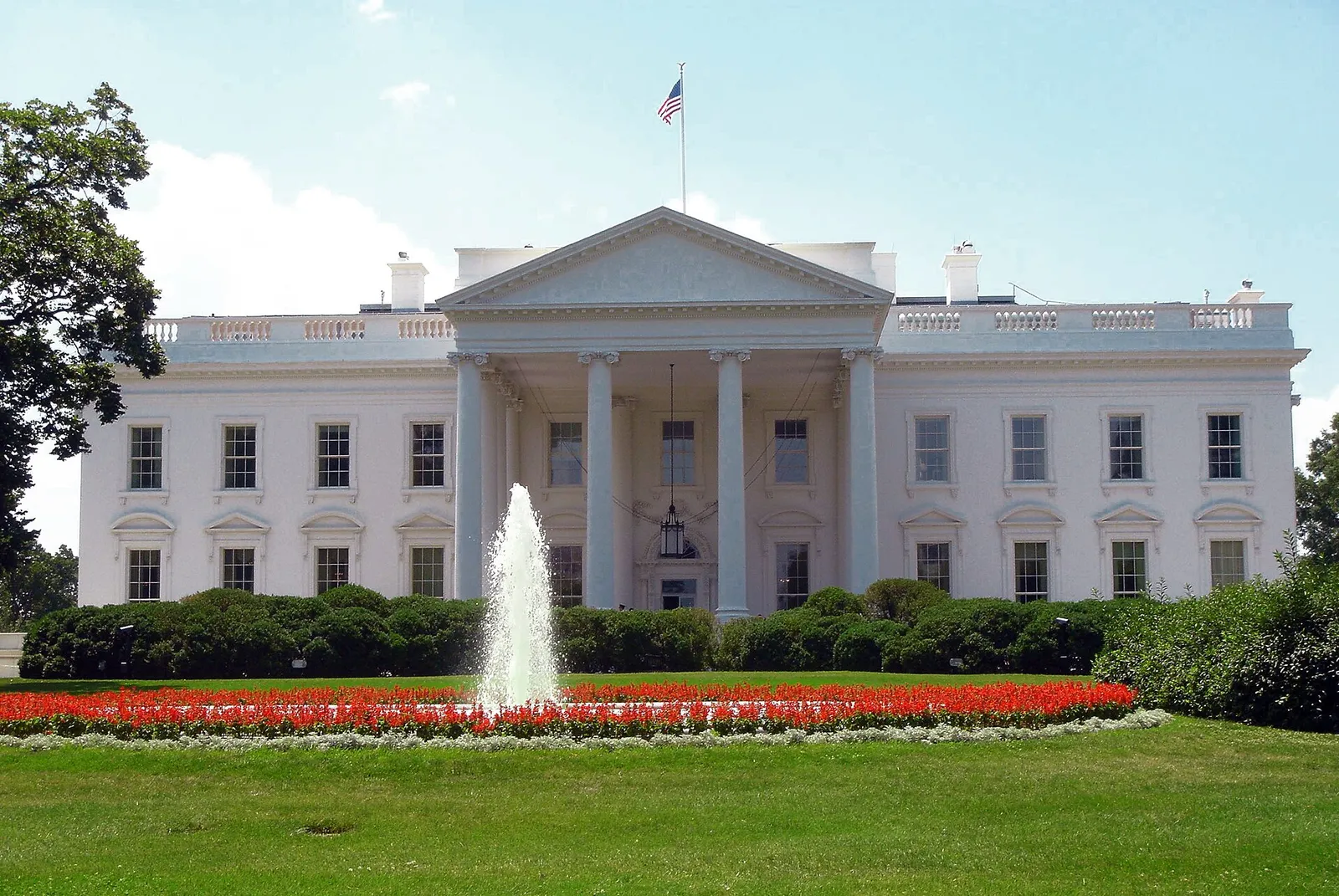
The scale of the records is striking. More than 300 daily temperature records could be broken by the weekend, CBS News reported, counting both daytime highs and unusually warm overnight lows — the latter particularly dangerous, because hot nights give the body little chance to recover. In Washington, D.C., the Fourth of July itself is forecast to be the hottest on record, potentially topping a mark that has stood for more than a century.
A holiday in the heat
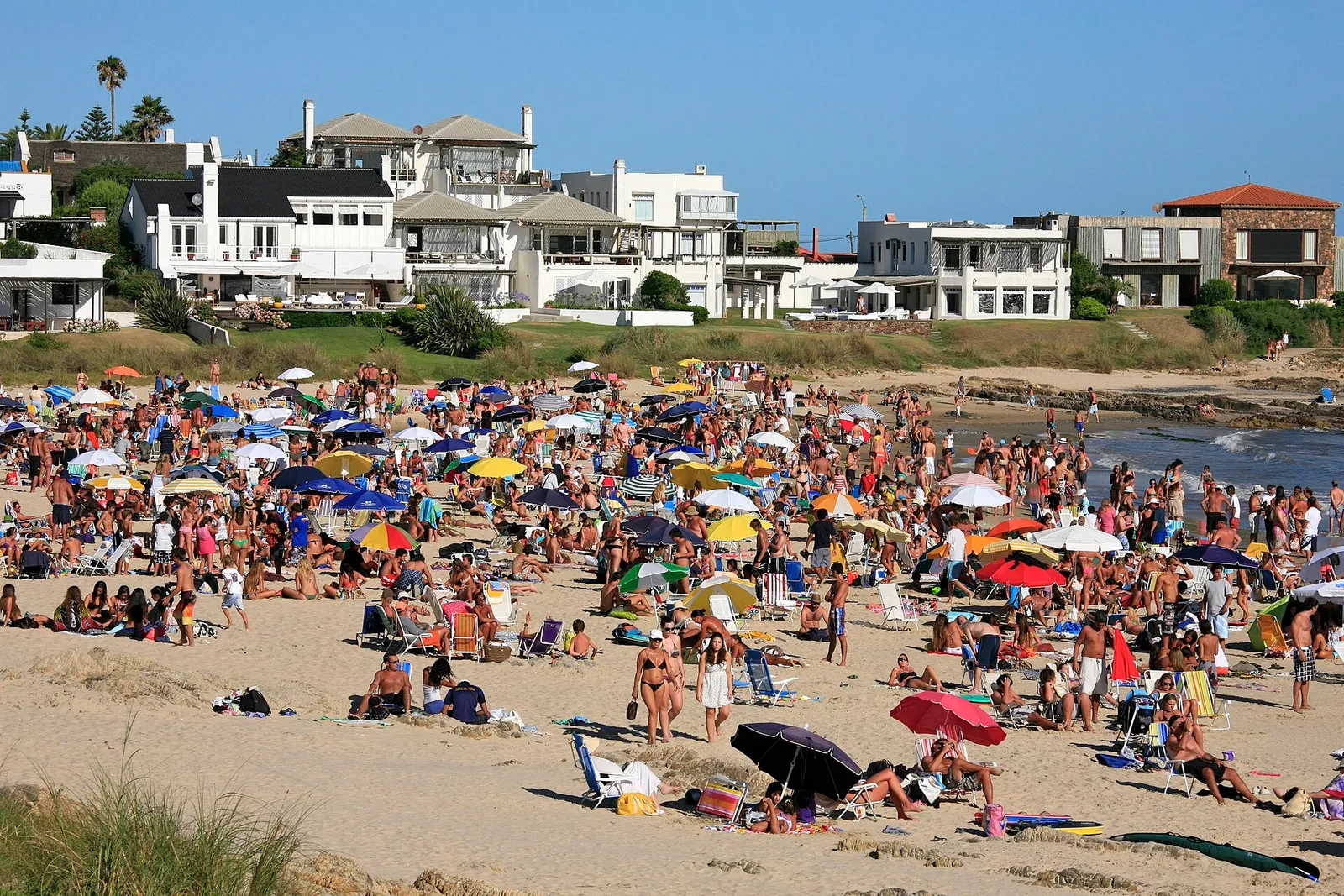
The timing is awkward, falling on a holiday weekend when many Americans plan to be outdoors for parades, cookouts and fireworks — and, this year, for celebrations marking a major national anniversary. Health officials have urged people to take the heat seriously: to stay in air conditioning during the hottest hours, drink plenty of water, avoid strenuous activity, and check on elderly neighbors and others most at risk.
Those most vulnerable include older adults, young children, people with chronic illnesses, outdoor workers and anyone without reliable access to cooling. Many cities have opened cooling centers, and the surge in air-conditioning use puts extra strain on electricity grids. Forecasters also warned that clusters of severe thunderstorms could erupt around the edges of the heat, bringing their own disruption.
The bigger picture
Any single heat wave is a weather event, shaped by particular atmospheric patterns. But scientists have long said that human-caused climate change is making extreme heat more frequent and more intense, raising the baseline on which such events unfold. Episodes that once seemed exceptional are becoming more common, and prolonged, dangerous heat over densely populated regions is among the clearest examples.
For now, the immediate message from forecasters is simpler and more urgent: the heat is dangerous, it will persist through the holiday, and people should plan around it. Relief, they say, is not likely to arrive for much of the affected area until after the weekend.