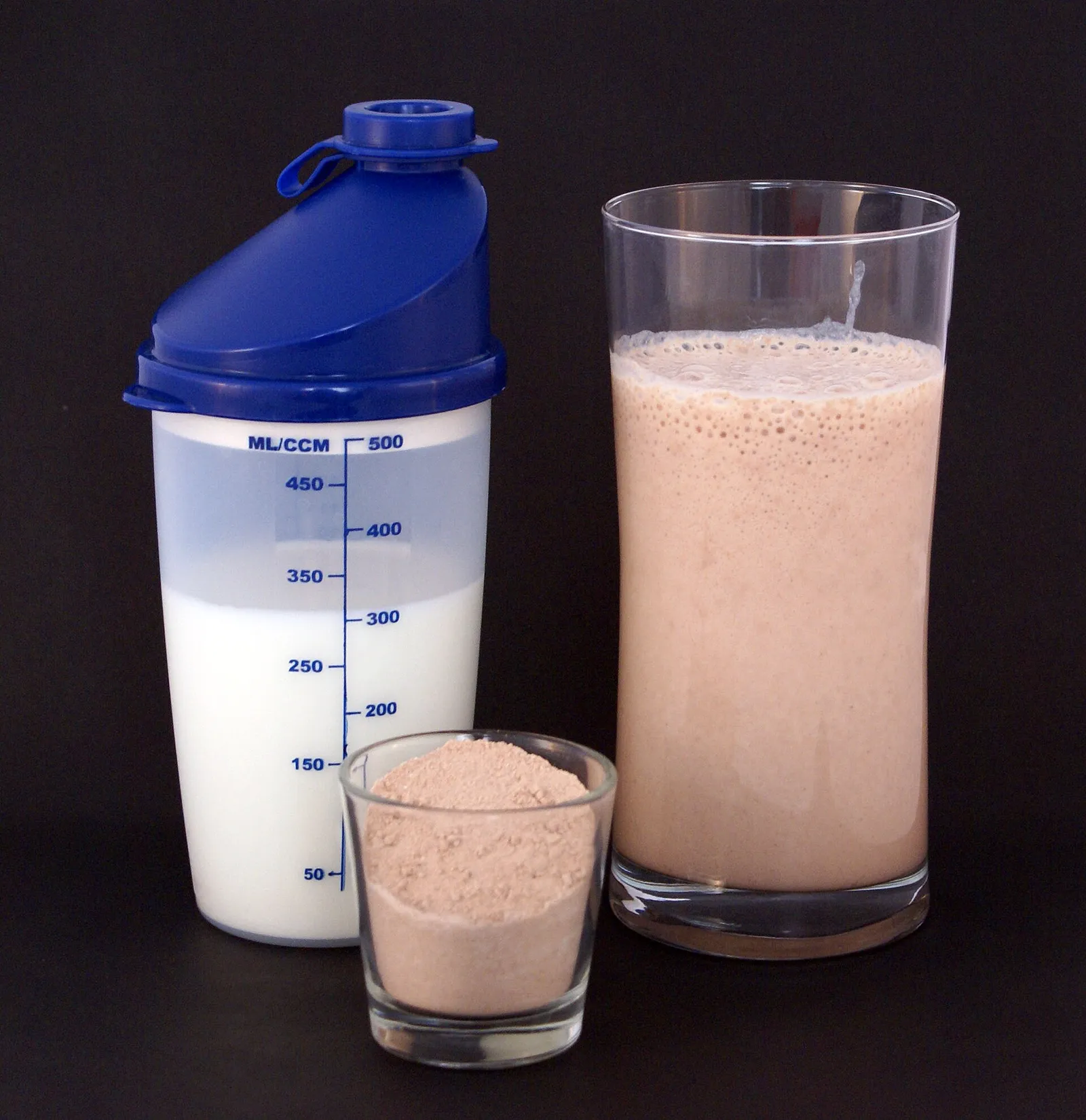
Not long ago, whey was a problem. The thin, cloudy liquid that drains off when milk is curdled into cheese was something cheesemakers had to get rid of. Today it is one of the food industry's hottest commodities — the raw material for the protein powders and bars fueling a craze for high-protein everything.
From waste to wonder-ingredient
Whey is what remains after the solids in milk are separated out to make cheese, as the Guardian has reported. Dried and refined, it becomes whey protein — sold as concentrates and higher-purity isolates that are rich in protein and easily mixed into shakes, according to reference sources. For decades it was a low-value leftover, often destined for animal feed. Now it commands a premium.
The 'proteinmaxxing' boom
The turnaround is driven by demand. Protein has become the nutrient of the moment, promoted heavily by the fitness world and amplified on social media — where the pursuit of ever-higher protein intake has earned the nickname "proteinmaxxing." Food companies have responded by adding protein to almost everything: not just shakes and bars, but yogurts, cereals, snacks and desserts, often prominently labeled with their protein content.
That has turned whey protein into a sought-after ingredient, and pushed up its price as manufacturers compete for supply.
The supply catch
Here lies the twist. Unlike many ingredients, whey cannot simply be produced to order. Because it is a byproduct of cheesemaking, the amount of whey available is tied to how much cheese the world makes. If demand for protein outstrips the whey thrown off by cheese production, supply cannot easily catch up — you cannot make more whey without making more cheese.
That constraint has upended the old economics. Whey that cheesemakers once paid to dispose of is now a valuable revenue stream, encouraging investment in drying and refining it. But the fundamental limit remains, and it helps explain why prices have climbed as the protein trend has grown.
Is the craze overdone?
Not everyone is convinced the boom rests on solid nutritional ground. Many dietitians point out that people in wealthier countries generally already get plenty of protein from ordinary foods — meat, eggs, dairy, beans and grains — and that for most, expensive powders add cost more than benefit. Research has generally found whey to be an effective protein source for building muscle, but not a magic one: other proteins do a similar job.
Some of the appetite, skeptics argue, is marketing as much as science, with "high-protein" serving as a health halo that helps sell products. Naturally protein-rich whole foods, such as Greek yogurt and cottage cheese, have also surged in popularity as cheaper alternatives to processed protein products.
The bottom line
Whether or not the world needs quite this much added protein, the trend has real consequences for the dairy business — rewriting the value of a former waste product and testing a supply chain that was never built to churn out protein on demand. For now, whey's unlikely journey from byproduct to prized commodity is a neat illustration of how quickly a food fashion can reshape a market — and of the limits that reshaping runs into.