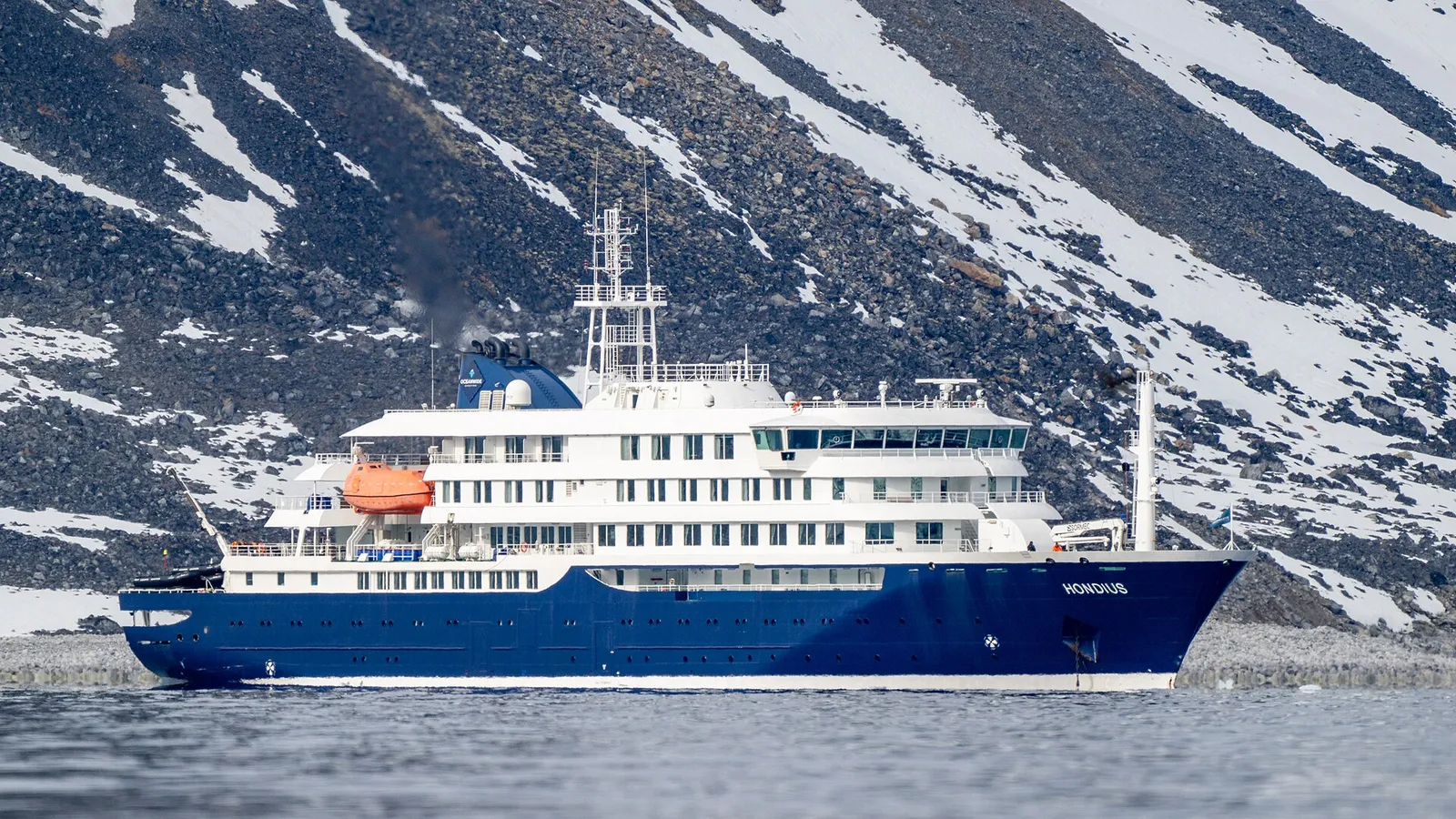
An unusual outbreak of hantavirus that spread among passengers and crew aboard an expedition cruise ship has come to an end, the World Health Organization said on July 2. The cluster, tied to the Dutch-flagged vessel MV Hondius, was notable both for its severity and for how the virus behaved — passing from person to person, something this family of viruses almost never does.
A rare and dangerous virus
Hantaviruses are normally caught from rodents, when people inhale particles from the urine, droppings or saliva of infected animals. Most cannot spread between humans at all. The exception is the Andes virus, found in parts of South America, which is the only hantavirus known to transmit from one person to another, according to the WHO. It was the Andes virus that was identified in this outbreak.
The disease it can cause — a hantavirus pulmonary syndrome — is serious. It often begins with fever, headache and muscle aches before progressing, in severe cases, to fluid in the lungs and difficulty breathing. There is no specific cure; treatment is supportive, meaning doctors manage symptoms and support breathing and circulation while the patient's body fights the infection. That makes early detection and careful monitoring especially important.
What happened on the Hondius
The outbreak was linked to a voyage of the MV Hondius, an expedition ship, and came to the WHO's attention in the spring. By late May, health authorities had recorded 13 cases — 11 confirmed and two probable — including three deaths, the WHO reported. Investigators concluded that the virus, likely introduced through exposure on land, then spread among people aboard the ship.
The setting appears to have been key. Person-to-person transmission of the Andes virus is thought to require close, sustained contact — the kind found in households, or in caring for a patient without protective equipment. A cruise ship, with its shared indoor spaces, close living quarters and prolonged contact between the same groups of people, created conditions that could help such a virus move between passengers in a way it rarely manages in everyday life.
Containing the spread
Once the cluster was identified, authorities across many countries mounted an extensive contact-tracing effort, because passengers had dispersed to their home nations after the voyage. The WHO said more than 600 contacts were identified across some 32 countries, territories and areas, and those at higher risk were monitored through the virus's incubation period. No further cases emerged after late May, and the outbreak was declared over once the last people being monitored had safely completed that period.
Throughout, the WHO assessed the global risk to the public as low, while treating the risk to those who had been aboard the ship as higher. That distinction matters: the outbreak was frightening and, for those infected, sometimes fatal, but it did not signal a broader threat to the general population.
Why it matters
The episode is a reminder of how unusual conditions can let a pathogen behave in unexpected ways. A virus that normally infects one isolated person at a time, caught from rodents in remote country, found in a cruise ship an environment that let it spread between people — a rare event that public-health experts will study closely.
It is also a case study in how such clusters are contained: rapid detection, isolation of the sick, and dogged tracing of contacts across borders. Those tools, unglamorous as they are, brought a dangerous outbreak to a close with its spread limited to a single ship's community — and, the WHO's declaration suggests, no wider outbreak in its wake.