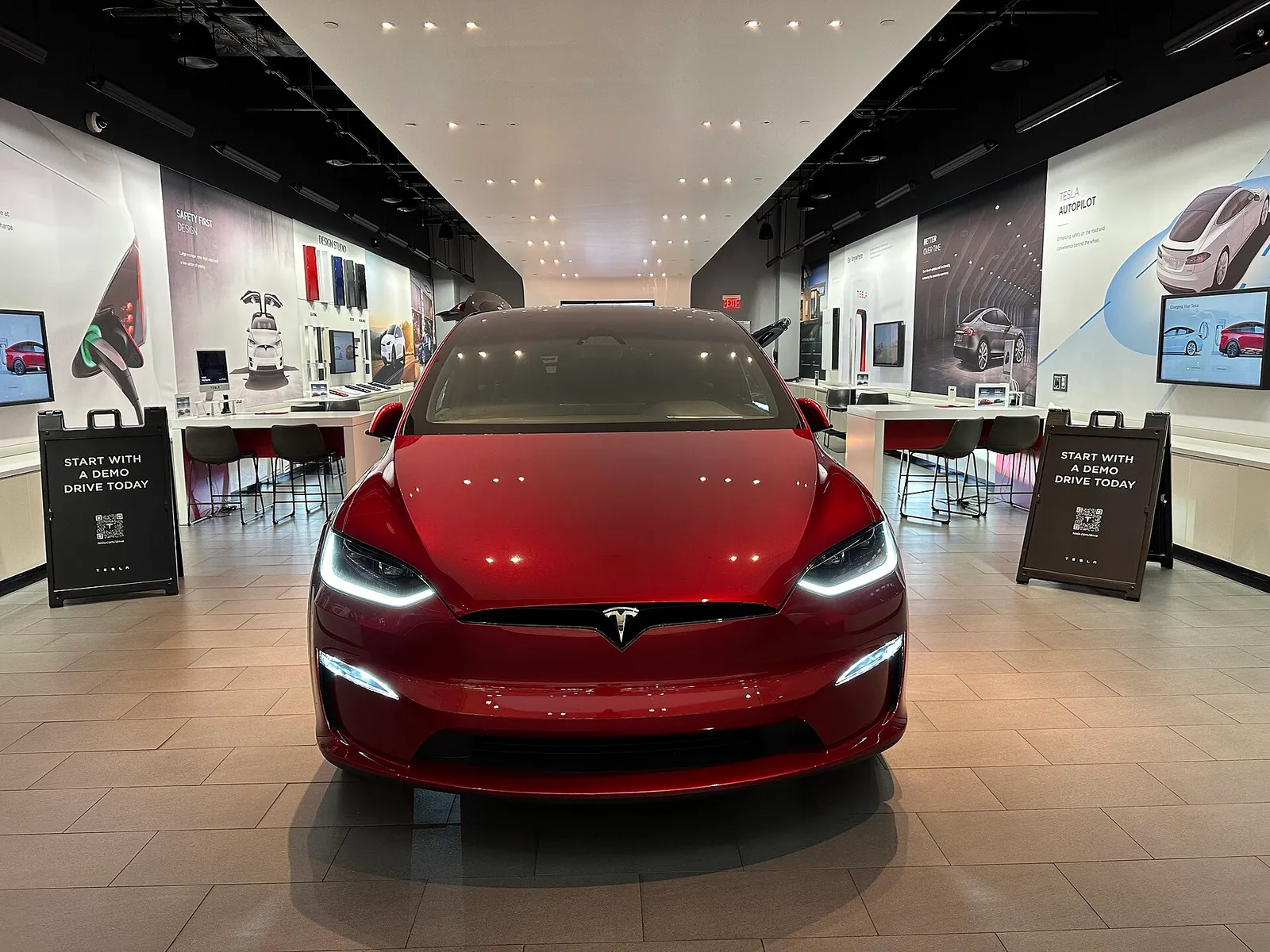
Tesla did something on Wednesday that would once have sent its stock soaring: it delivered more cars in a quarter than analysts had expected, and far more than a year earlier. Instead, the shares fell — a roughly 7% drop that captured how much the market's questions about the electric-car maker have shifted from how many cars it sells to how much money it makes selling them, CNBC reported.
A strong quarter, a falling stock
Tesla said it delivered around 480,000 vehicles in the second quarter — a substantial jump on the same period last year and above the consensus estimate on Wall Street. On the face of it, that is a clear rebound after a difficult stretch for the company.
The market's reaction told a different story. Rather than rallying on the beat, the stock slid, as Yahoo Finance reported. Part of the explanation is simple: Tesla's shares had already risen sharply in the days before the report, as traders anticipated good news, so the actual figures left little room for the stock to climb further — a classic case of "buy the rumor, sell the news."
Why investors are wary
Beyond that, analysts pointed to reasons for caution beneath the headline number. One is the makeup of the quarter itself: Tesla produced fewer cars than it delivered, meaning it ran down existing inventory to reach the total — a detail that complicates the idea of surging fresh demand. Another is geography. In the United States, Tesla's sales have been sliding, a trend widely linked to the winding-down of a federal tax credit that had made electric vehicles cheaper for American buyers. Stronger sales in China have helped offset some of that weakness, but not all of it.
Above all, investors are focused on profitability. To hit strong delivery numbers in a tougher market, Tesla has leaned on price cuts and incentives, and the worry is that this squeezes the profit margin on each car. Because Tesla's share price sits at a very high multiple of its earnings — pricing in years of future growth — even small doubts about margins can move the stock sharply. The clearer picture on that front will come with the company's full financial results later in July.
Bulls and bears
The split in views is stark. For optimists, the delivery beat shows Tesla can still grow, and the real story lies ahead — in the company's bets on self-driving software, a planned robotaxi and humanoid robots, which they argue could eventually dwarf the car business. On this view, quarterly deliveries are almost a sideshow to a much bigger technology wager.
Skeptics counter that those are promises, not profits, and that a company valued so richly needs to show it can turn strong sales into sustainable earnings now — not in some future where its ambitious projects have paid off. They point to the softening US market and the pressure on margins as evidence that the core business is getting harder, not easier.
The bigger point
The day's trading is a small illustration of a larger shift in how Tesla is judged. In its high-growth years, simply selling more cars than expected was enough to lift the stock. Now, as a more mature company facing real competition — especially from Chinese rivals — and a maturing electric-vehicle market, it is held to a different test: not just whether it can grow, but whether that growth pays. A record delivery quarter that still ends with the stock down is, in its way, a sign of how the terms of that test have changed.