
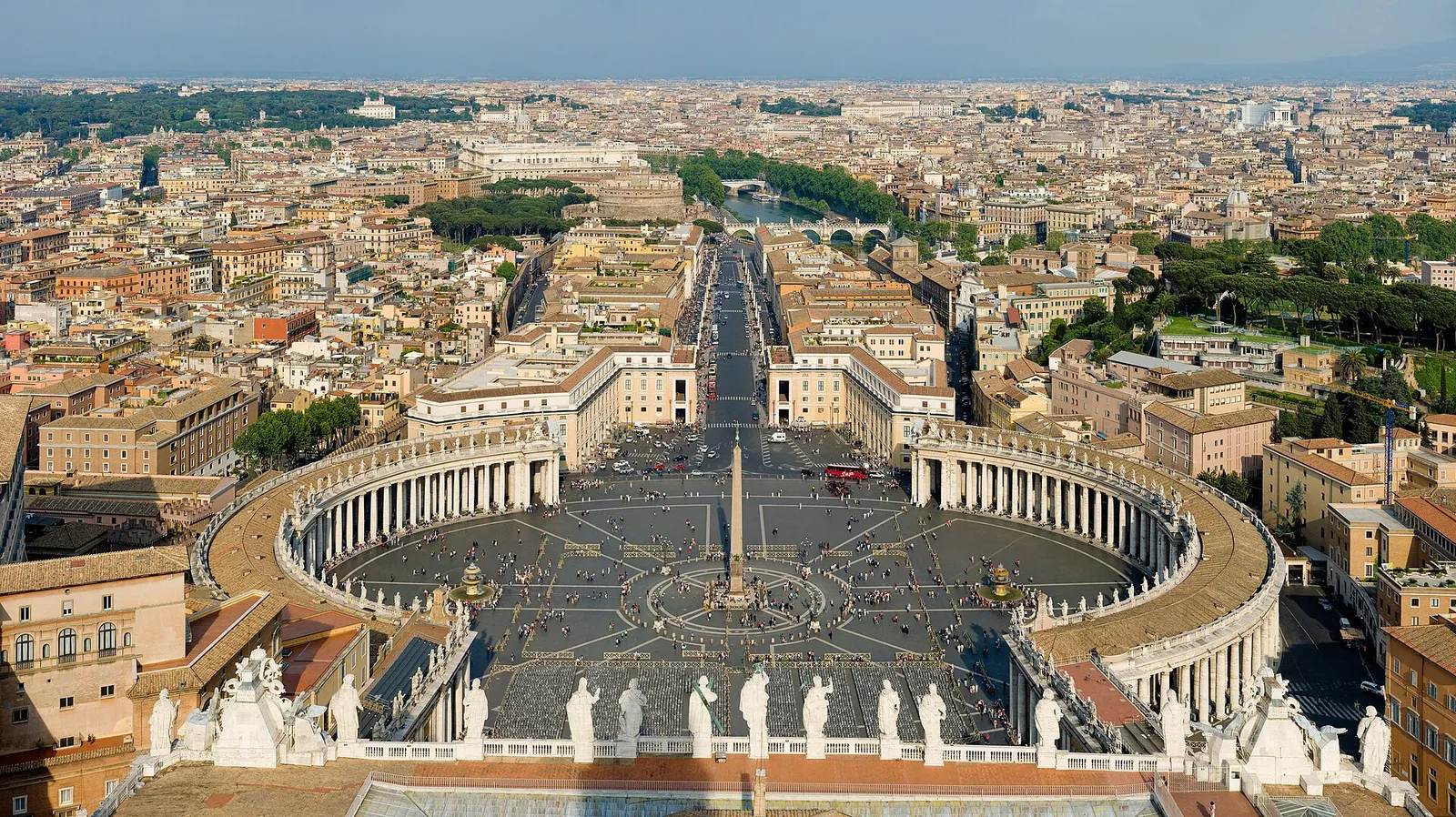
The Vatican has excommunicated the leadership of the Society of Saint Pius X (SSPX), a traditionalist Catholic movement, after the group defied a direct appeal from Pope Leo XIV and consecrated four new bishops without Rome's approval. The rupture, formalized on July 2, is the most serious breakdown in relations between the Holy See and the society in decades — and the first grave test of authority to confront the new pope.
What the Vatican did
The crisis began a day earlier, on July 1, when the SSPX ordained four bishops in Switzerland without the papal mandate that the Catholic Church requires for such consecrations. Under church law, consecrating or being consecrated a bishop without Rome's permission carries an automatic (in Latin, latae sententiae) excommunication.
On July 2, the Vatican's doctrinal office went further, issuing a decree stating that all six bishops involved — the four newly ordained men and the two existing SSPX bishops who consecrated them — had incurred excommunication, and declaring that the society had placed itself in formal schism, a break in communion with the Roman Catholic Church, CBS News reported. The four newly consecrated bishops were named as Marc Hanappier and Michel Poinsinet de Sivry of France, Michael Goldade of the United States, and Pascal Schreiber of Switzerland.
Rome's declaration reached beyond the bishops themselves. The Vatican said that the society's priests, and lay Catholics who "adhere formally" to the group, were now also considered to be in schism, according to Al Jazeera. The society claims a worldwide following the Vatican has estimated at roughly 600,000. In practical terms, the Holy See regards sacraments administered by the SSPX — including confessions and marriages — as illicit.
A pope's appeal, ignored
The consecrations came despite a personal plea from Pope Leo XIV, who had urged the society to turn back before it acted. That appeal went unheeded. The society's superior general, the Reverend Davide Pagliarani, cast the ordinations as a matter of conscience, framing them as a "sacred duty" to defend traditional Catholic belief and describing the SSPX as serving "the church as a mother in difficulty," per Al Jazeera's account.
For Leo, elected in 2025, the episode is the first major disciplinary crisis of his papacy — and one that forces an early choice between the conciliatory outreach favored by some of his predecessors and a firmer defense of papal authority. In declaring a full schism, the Vatican opted for the stricter course, The Washington Post reported.
Decades of tension
The SSPX was founded in 1970 by the French archbishop Marcel Lefebvre, who rejected key reforms of the Second Vatican Council (1962–1965) — above all the move away from the traditional Latin Mass toward worship in local languages. The society has operated on the margins of the church ever since, ordaining its own clergy and never securing a regular canonical status within it.
The current standoff closely mirrors the event that first pushed the society outside the church's bounds. In 1988, Lefebvre consecrated four bishops without the permission of Pope John Paul II, incurring excommunication for himself and them. One of those 1988 bishops, Alfonso de Galarreta, was reported to be among the consecrators this time — meaning some of those involved have now been declared excommunicated twice, nearly four decades apart.
In 2009, Pope Benedict XVI lifted the 1988 excommunications in a gesture aimed at reconciliation, though the move stopped short of restoring the society to full communion and drew controversy of its own. Talks between Rome and the SSPX have continued intermittently in the years since without resolving the underlying disagreements over the council and papal authority.
What happens next
Excommunication is not, in Catholic teaching, a permanent expulsion but a penalty intended to prompt a return; the church has signaled that a path back to communion remains open should the society seek it. Whether the SSPX pursues that path, or hardens into a lasting breakaway, is now the central question.
For the wider church, the rupture revives a debate that has simmered since Vatican II over how far Rome should accommodate those who reject its reforms. For Pope Leo, it is an unwelcome early marker of how he intends to wield the authority of his office — and a reminder that the divisions of the last century have not been laid to rest.