Ford sold 549,200 vehicles in the United States in the second quarter of 2026, down 10.3% from 612,095 a year earlier — a drop that stood out as among the weakest results of any large automaker, CNBC reported. Behind the headline number lay two very different problems: a supply snag that throttled Ford's most important product, and a broad retreat from electric vehicles that is rippling across the industry.
A truck maker tripped up by trucks
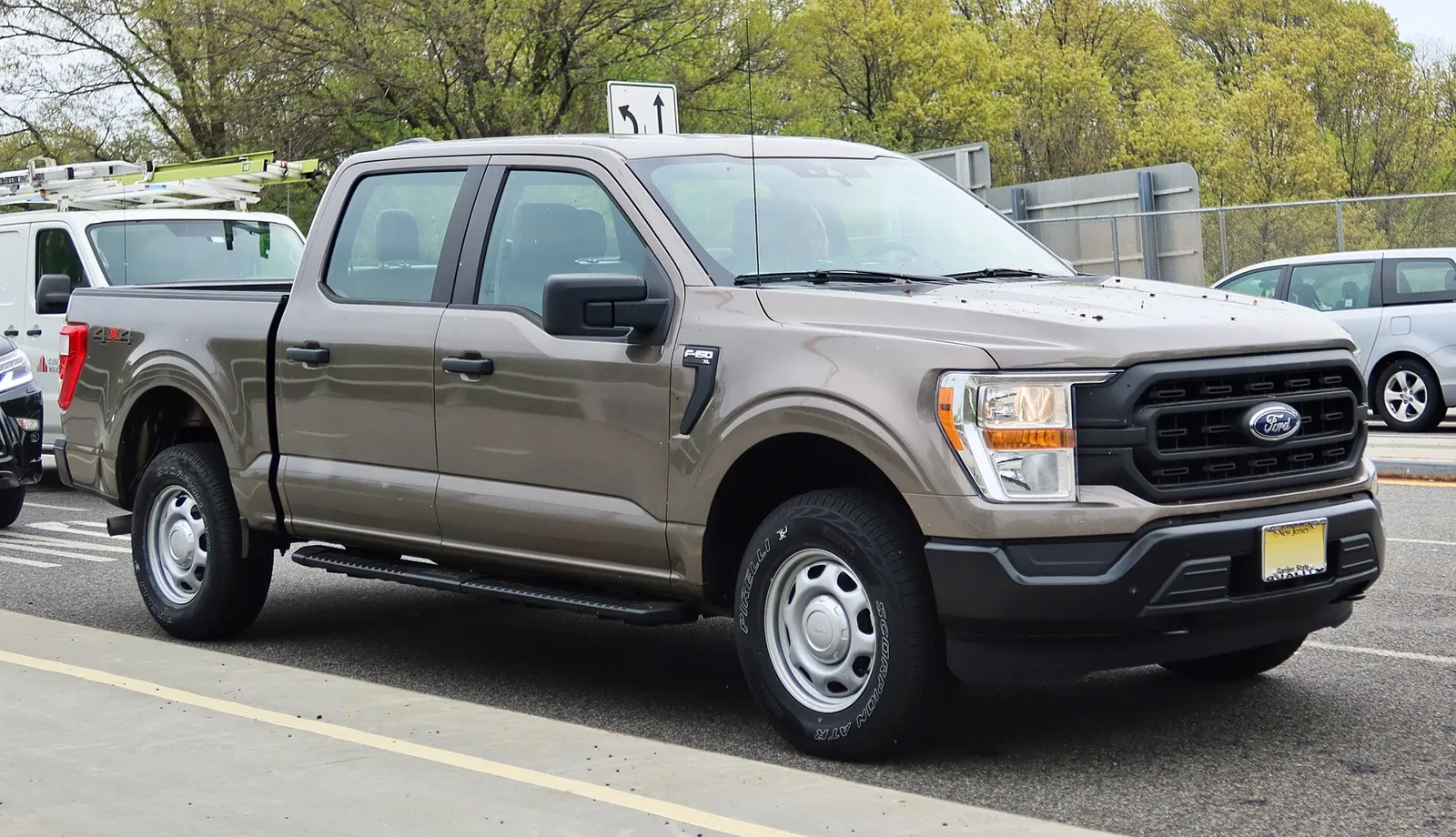
Ford's fortunes rest heavily on the F-Series, the line of pickups led by the F-150 that has long been the best-selling vehicle in America. In the second quarter, F-Series sales slipped about 11% — a serious blow for a company that depends on those trucks for a large share of its profit.
The cause was not weak demand but constrained supply. Ford has been recovering from disruption at a key aluminum supplier, whose plant was hit by fires late in 2025, forcing the automaker to scramble for replacement material to keep truck production running. Ford said it was ramping output back up and expected supplies to normalize in the second half of the year. Even amid the shortfall, the F-Series remained the country's top-selling truck.
The EV pullback deepens
The second drag came from electric vehicles. Ford's all-electric sales fell 40.7% from a year earlier, mirroring a wider cooling in US demand for battery-powered cars.
That slowdown followed the expiry in late 2025 of a federal tax credit worth up to $7,500 that had made many EVs cheaper, removing a significant incentive for buyers. It has coincided with a marked shift toward hybrids, which pair a gasoline engine with an electric motor and sidestep worries about charging and range. Carmakers with strong hybrid line-ups have gained ground, while those more exposed to pure EVs have struggled — a pattern visible across the June sales reports.
Not all bad news — and a mixed field
Ford argued that much of the decline reflected deliberate choices rather than lost customers. The company said it had been phasing out some older models and cutting low-margin sales to rental fleets, and that, stripping out those factors, underlying sales were roughly flat. The quarter also came in slightly better than analysts had feared: the research firm Cox Automotive had forecast a decline of about 11.5% for Ford, Yahoo Finance reported. Ford's Maverick compact hybrid pickup, meanwhile, set a sales record.
Rivals fared unevenly, underscoring how the hybrid-versus-EV shift is sorting winners from losers. General Motors reported a 4.2% decline in US sales, also weighed down by softer EV demand, while Toyota — with its deep bench of hybrids — posted a modest gain, according to CNBC. Honda and Hyundai likewise benefited from strong hybrid sales.
What it means
Ford has yet to report its full second-quarter financial results, due later in July, so the sales figures offer only a partial picture of the quarter. But the shape of the challenge is clear enough. The company's near-term recovery hinges on how fast it can restore full truck production, while its longer-term position depends on navigating a US market that is, for now, choosing hybrids over pure electrics.
For a company whose profits ride on pickups and which has invested heavily in an electric future, the quarter was an uncomfortable reminder that both halves of that strategy are under pressure at once — one by a supply-chain accident, the other by a shift in what American buyers want.