The great painted caves of Europe have always posed a frustrating question: who were the people who left their handprints and animals on the walls, sometimes tens of thousands of years ago? A new study suggests part of the answer may be hiding in the walls themselves — in scraps of human DNA that have survived far longer than anyone had shown before.
DNA from the wall, not the dig
A team led by Alba Bossoms Mesa of the Max Planck Institute for Evolutionary Anthropology in Leipzig reported that human genetic material can persist on cave surfaces for thousands of years, Scientific American reported. The findings, published in the journal Nature Communications, are described by the researchers as a proof of concept rather than a finished tool: a demonstration that the DNA is there and can be recovered.
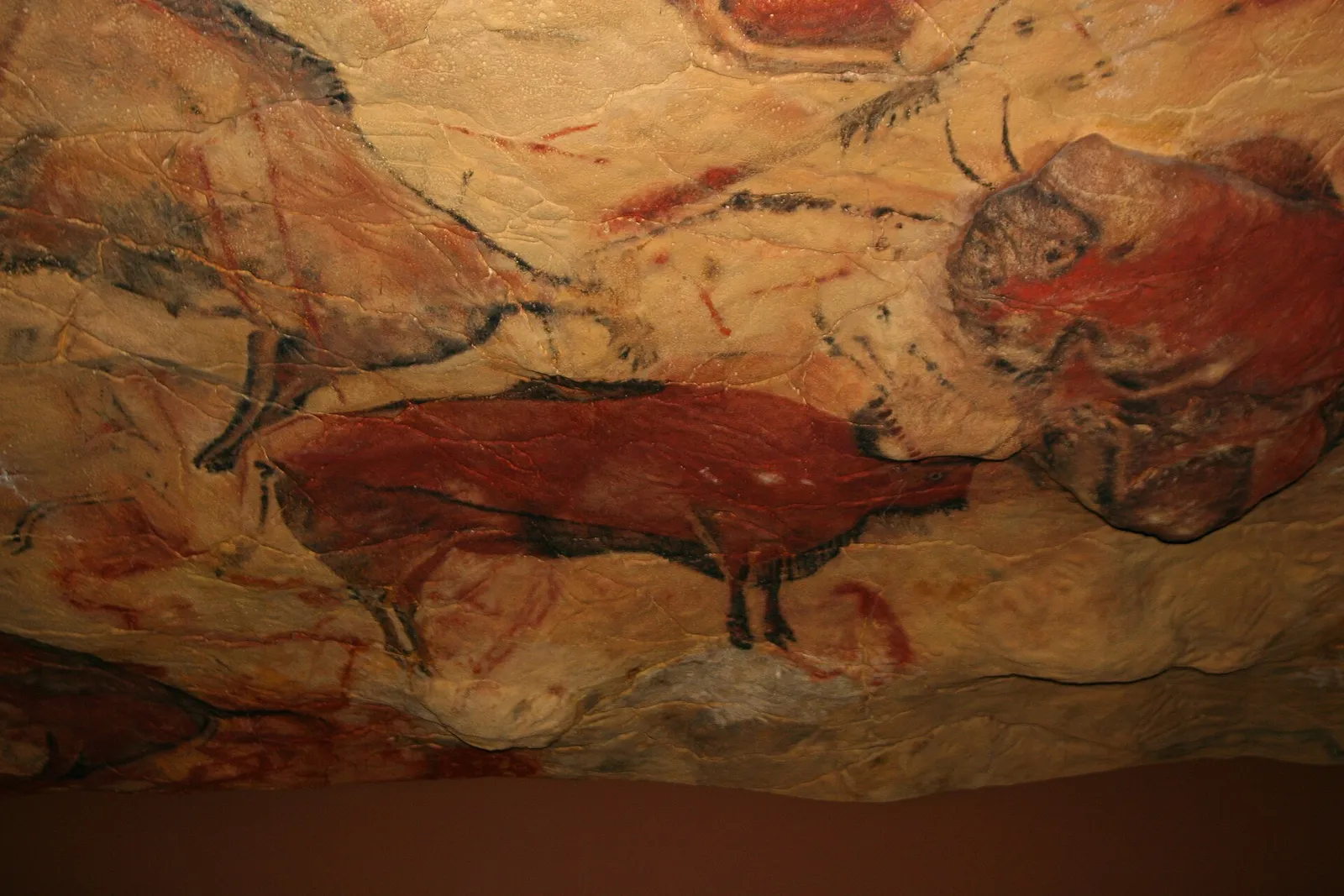
The team sampled 11 caves in Spain and Portugal, taking 54 samples from 24 panels of rock art — hand stencils, lines and dots — as well as from pigment that had naturally flaked from the famous painted bison on the ceiling of Altamira Cave in Spain, according to the Max Planck Institute. Crucially, the approach does not require excavating a site, the traditional method for finding ancient human remains, which destroys the very deposits archaeologists want to study.
What survived, and where
Only a small number of samples yielded authentic ancient human DNA — a reminder of how demanding the work is. The clearest results came from Escoural Cave in Portugal, where the researchers recovered both mitochondrial and nuclear human DNA from a pigmented calcite crust and from an unpainted stretch of wall nearby. Tellingly, those samples contained no animal DNA, which the team took as a sign that the genetic material had been deposited directly by human contact — a touch of a hand, or traces of sweat, skin or breath — rather than washed in with sediment.
The recovered DNA was at least 2,000 years old, and the researchers say it is likely far older. That range, modest against the tens of thousands of years attributed to the oldest cave art, reflects how cautious the team is being about what it can prove.
A crucial caveat
The study comes with an important limitation, one the researchers stress themselves: finding human DNA on a cave wall does not reveal who made the paintings. A person could have leaned against the rock, or passed through the cave, long after — or long before — the art was created. Distinguishing the DNA of the artists from that of the many other people who entered a cave over millennia remains a formidable challenge, as does ruling out modern contamination and the genetic "noise" left by bats, rodents and microbes.
For that reason, the work is best understood not as identifying prehistoric painters but as opening a new place to look. If cave walls can act as "genetic archives," future studies might eventually establish the sex or ancestry of some of the people who used these spaces, and perhaps help address long-running debates — including which artworks were made by our own species and which, if any, by Neanderthals.
Why it matters
The result adds to a broader revolution in archaeology, in which DNA recovered from unexpected places — cave sediments, ancient chewing gum, the residue on tools — has begun to fill gaps that bones and artifacts alone could not. Turning the painted wall itself into a source of evidence would extend that reach into some of humanity's most storied and closely protected sites.
Much work remains before the technique becomes routine; success depended on the particular chemistry and microclimate of a few caves, and most samples yielded nothing usable. But the study establishes something genuinely new: that the surfaces prehistoric people decorated may still carry a faint biological signature of the hands that touched them — and that, handled carefully, those walls have more to tell.