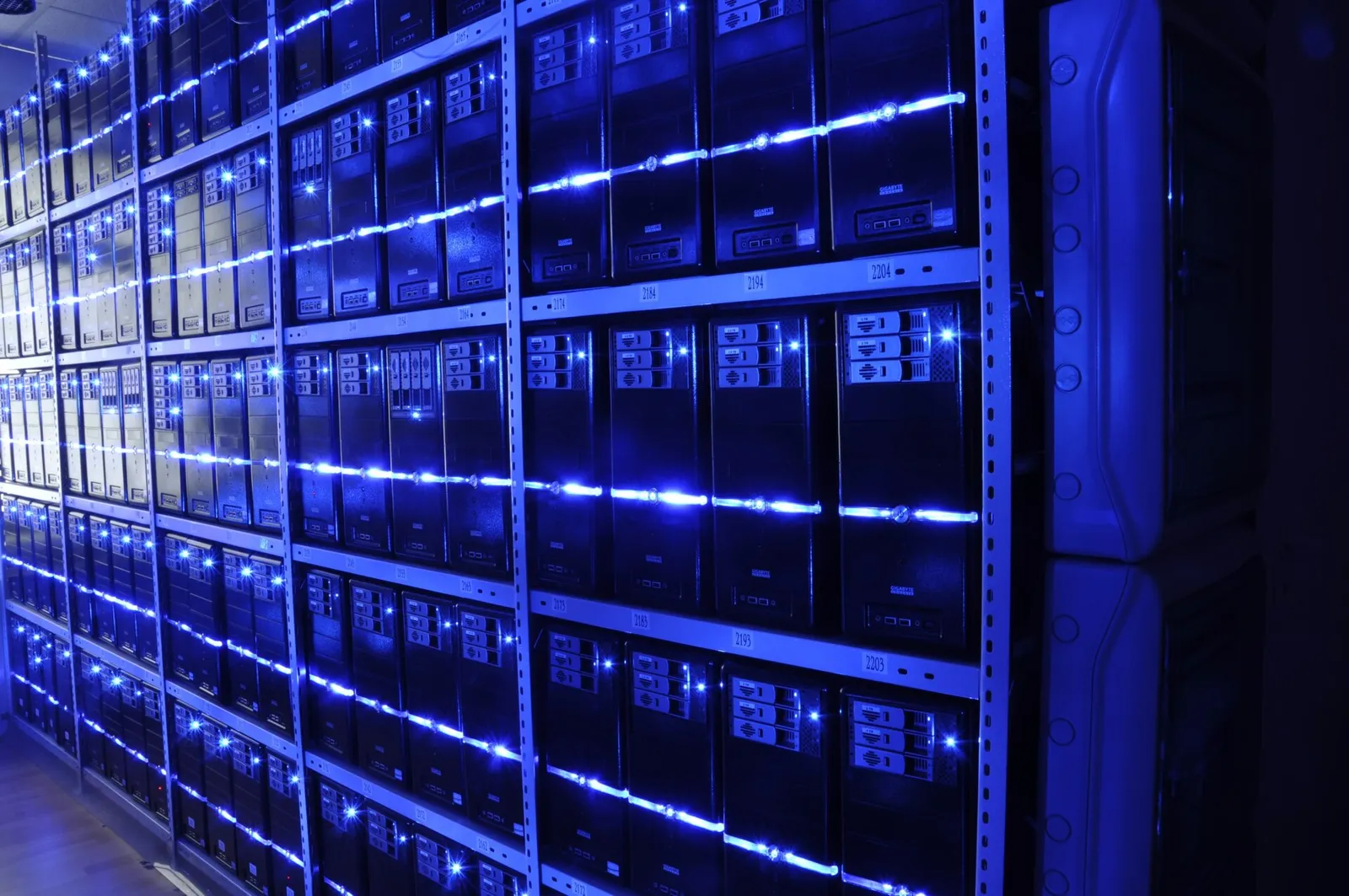
For all the talk of artificial intelligence as a weightless, digital wonder, it runs on something very physical: vast halls of humming computers that consume enormous amounts of electricity and water. Two of the companies building that infrastructure, Google and Amazon, have just offered a clear signal of what it costs — and their own figures point in an uncomfortable direction, TechCrunch reported.
Emissions heading the wrong way
In their latest environmental reports, both companies disclosed notable rises in their carbon emissions and electricity use, driven largely by the buildout of data centers to power AI. Google's 2026 environmental report showed its electricity consumption and overall emissions climbing sharply, and Amazon reported a similar upward trend.
The significance is that these increases are moving in the opposite direction to the companies' climate goals. Both have pledged to cut emissions, and both have invested heavily in clean energy. Yet the sheer pace of AI expansion has, for now, outrun those efforts — Google itself has acknowledged that its AI infrastructure is being built faster than electricity grids are being cleaned up.
Why AI is so hungry
AI's appetite comes down to computation. Training and running large AI models means performing staggering numbers of calculations across thousands of specialized chips, which draw power continuously. The data centers that house them must run around the clock, and keeping the equipment from overheating requires substantial cooling — often using large quantities of water or additional electricity.
Multiply that across the many new facilities being built to meet demand, and the result is a step-change in energy use. Researchers have warned that the electricity and water needed to power AI could rise substantially in the coming years, adding strain to power grids and water supplies in the places where data centers cluster. The exact scale is debated, but the direction is not.
What the companies say
Google and Amazon do not dispute that their footprints are growing; instead, they point to what they are doing about it. Both have signed large deals for renewable and other low-carbon electricity, and Google says its data centers are far more energy-efficient than the industry average and that it has continued to match its electricity use with clean-energy purchases. The companies also argue that AI itself can help cut emissions elsewhere — by making power grids, logistics and industry more efficient — potentially offsetting some of its own cost over time.
Those are real efforts, and worth weighing. But, as critics note, the offsetting benefits are largely future and uncertain, while the added emissions and energy demand are here now.
An unresolved equation
Underneath the corporate reports is a simple, stubborn tension. The demand for AI computing is growing faster than the world is decarbonizing its electricity, so more AI, for the moment, tends to mean more emissions and more strain on energy and water systems — even for companies genuinely trying to green their operations.
There is also a financial question lurking behind the environmental one. Building and running this infrastructure is extraordinarily expensive, and it is not yet clear whether the returns from AI products will justify the enormous sums being spent. The environmental cost and the capital cost are, in a sense, two sides of the same bet.
Why it matters
None of this means AI's benefits are illusory, or that the companies' clean-energy investments are meaningless. But the latest disclosures puncture a comforting assumption — that the cloud is somehow clean — and make plain that the AI boom is drawing heavily on real resources. As the technology spreads, the question of who ultimately bears that cost — in higher energy bills, greater emissions, or strained local water supplies — is one that will be harder to keep in the background.