A thousand days after the attack that reshaped Israel and set off a devastating war in Gaza, Israelis paused to remember the dead and the taken — and, in many places, to demand answers. The milestone, on July 2, was marked by memorial gatherings and by protests pressing the government to account for how the country's worst security failure was allowed to occur.
A day of remembrance
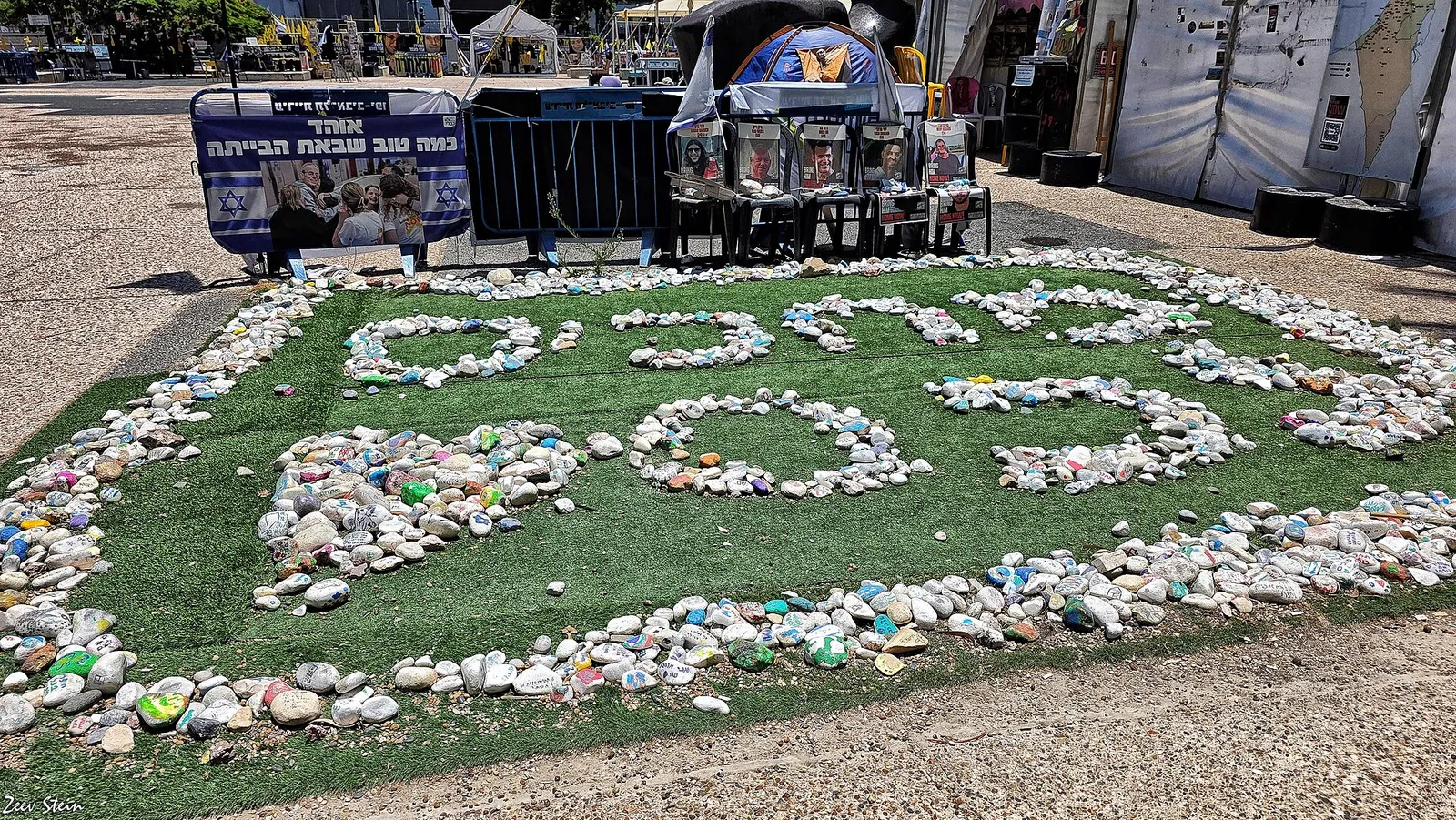
Commemorations took place across Israel, the Times of Israel reported, centered on the Tel Aviv square that became a rallying point for the families of hostages during the war. There, an exhibition displayed personal belongings of those killed and abducted, and crowds gathered to honor them. Groups founded by bereaved families organized events at sites struck on October 7, including the grounds of the Nova music festival, where many were killed.
The attack of October 7, 2023 remains, by Israel's account, the deadliest single day in the nation's history. Israeli authorities say around 1,200 people, most of them civilians, were killed, and about 250 people were seized and taken into Gaza. All of the remaining living hostages were freed under a ceasefire reached in late 2025, and Israeli officials say the remains of the last hostage were recovered early this year, Al-Monitor reported.
Demands for accountability
Alongside the mourning came pointed political pressure. Protesters gathered at numerous sites, including near the Israeli parliament, calling for a state commission of inquiry — an independent, official investigation — into the government's failure to prevent the attack and its conduct of the war and hostage negotiations that followed. Campaigners say the demand has broad public support across Israel's political divides. For many families, the 1,000-day mark was less an occasion for closure than a measure of how many questions remain unanswered.
The wider toll
The anniversary is inseparable from the war that followed in Gaza, whose human cost has been far larger. Palestinian health authorities report that more than 70,000 Palestinians have been killed in Gaza since October 2023, with many thousands more wounded; Israel's military has said it regards those overall figures as broadly accurate. Reporting to mark the same anniversary described vast areas of Gaza reduced to rubble after 1,000 days of war.
A ceasefire between Israel and Hamas has held since late 2025, though both sides have reported violations and a durable political settlement has remained elusive. UN agencies say the humanitarian situation in Gaza remains severe, with a large share of the population displaced and dependent on aid, even as conditions have improved from the worst points of the conflict.
A milestone, not an ending
The events of the day underscored how the trauma of October 7 continues to shape Israeli public life, and how the war it triggered still defines conditions for more than two million Palestinians in Gaza. For Israelis, the memorials expressed both grief and a persistent, unresolved anger at their own institutions; across the border, the anniversary marked 1,000 days of a war whose devastation is still being counted.
Milestones like this one tend to gather up a conflict's competing griefs into a single date. What the day made clear is how much remains open — hostage families still seeking accountability, a region still without a lasting peace, and two populations still living, in very different ways, with the consequences of what began that morning.