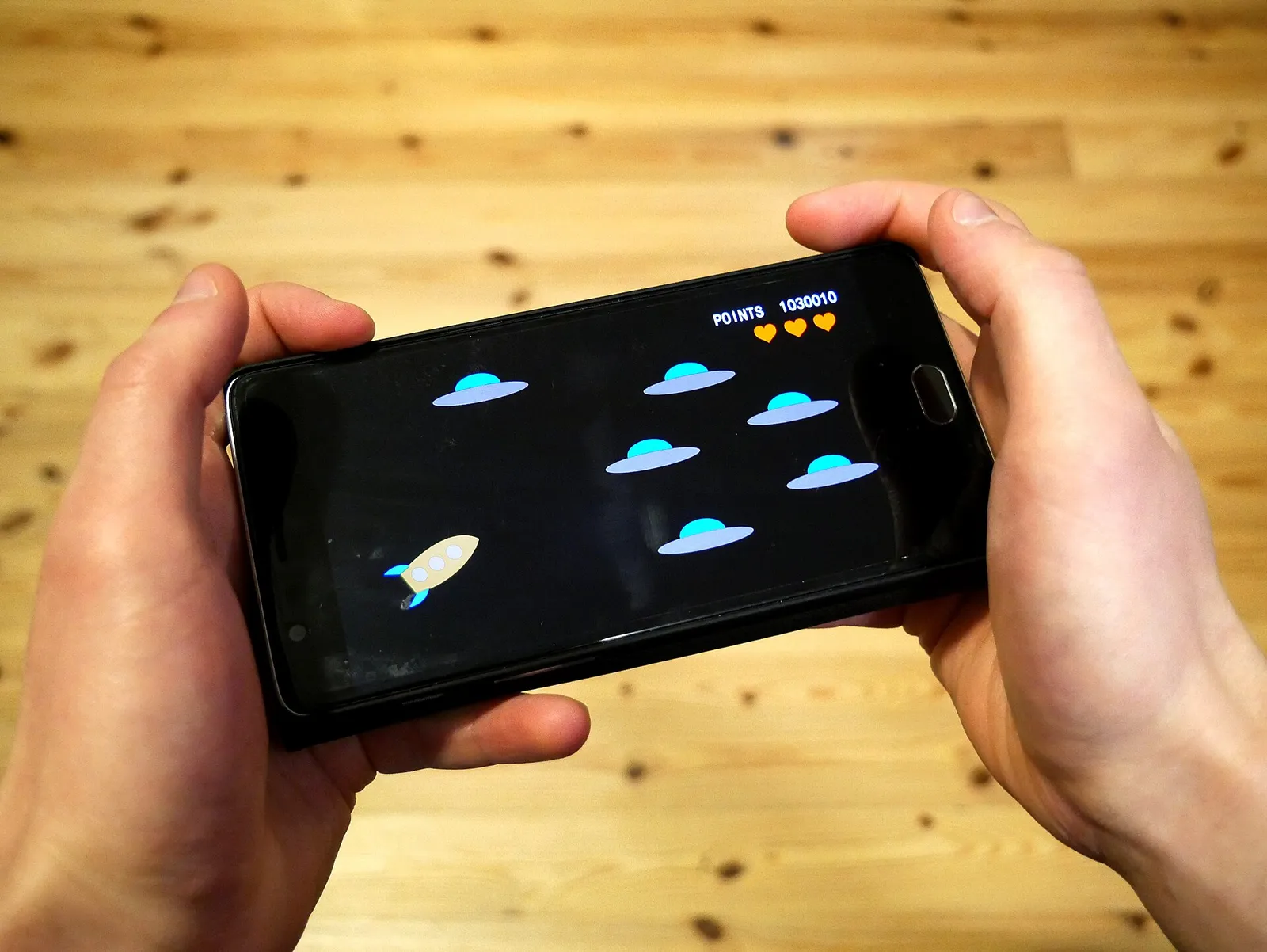
Meta has slipped a new kind of app into the app stores with almost no fanfare. Called Pocket, it lets users create and share small interactive games — Meta refers to them as "gizmos" — simply by describing what they want in plain language and letting artificial intelligence do the coding. The company has not formally announced it, TechCrunch reported, and the app has been appearing in only some regions.
What "vibe coding" means
The technique at Pocket's heart has picked up the nickname "vibe coding": rather than learning a programming language, you tell an AI system what you want — "make a simple puzzle game about sorting fruit," say — and it generates the working software. The idea is to lower the barrier to making things to almost nothing; you supply the concept, and the machine handles the technical detail.
In Pocket, according to Meta's own help materials, people generate these games from text prompts, then post them to a shared feed where others can play them and "remix" them into new versions — a loop that borrows something from the endless-scroll feel of social video apps.
An AI experiment, not a gaming bet
Pocket did not appear from nowhere. It builds on an earlier project, and the team behind it is now associated with Meta's push into advanced AI. That lineage is the key to reading the launch: Pocket looks less like a standalone gaming product and more like a testbed for a broader ambition — weaving AI-generated, interactive content through Meta's apps to keep people engaged and to produce a cheap, endless supply of fresh material.
The quiet nature of the rollout reinforces that. A limited, unannounced release in select regions is how a company tests appetite for an idea before deciding whether to invest more heavily.
The promise and the problems
The appeal is easy to see: if anyone can conjure a playable game from a sentence, creativity is no longer gated by coding skill. But the approach carries real caveats, and they are worth stating plainly.
AI-written code is often functional but imperfect, prone to bugs and to security weaknesses that a human developer might catch. Questions of originality and ownership are unsettled, too: it is not always clear who owns something an AI generates from a short prompt, an issue courts and regulators are still working through. And an app that lets users mass-produce interactive content on demand faces a serious moderation challenge — keeping harmful or inappropriate creations in check — at a time when Meta has been leaning more on automated moderation, a shift that has itself drawn scrutiny.
There is a labor dimension as well. Tools that let non-specialists generate games and apps could, over time, reshape parts of the software and games industries, a prospect that cuts both ways for the people who currently do that work.
What to watch
For now, Pocket is best understood as an early, low-key trial rather than a finished product. Whether it grows into something mainstream will depend on whether people actually want to make and play AI-generated mini-games, whether the quality holds up, and whether Meta can manage a flood of machine-made content responsibly. It is a small app with a big idea behind it — and a useful window into where one of the world's largest technology companies thinks AI and entertainment are heading.