The most striking thing about the brawl that followed the World Cup final is who is now asking for leniency. Gavi, the Spain midfielder who was pushed to the ground in it, says the Argentina players involved should not be punished, ESPN reports.
What happened after the whistle
Spain won the final 1-0 after extra time, and the trouble came once it was over.
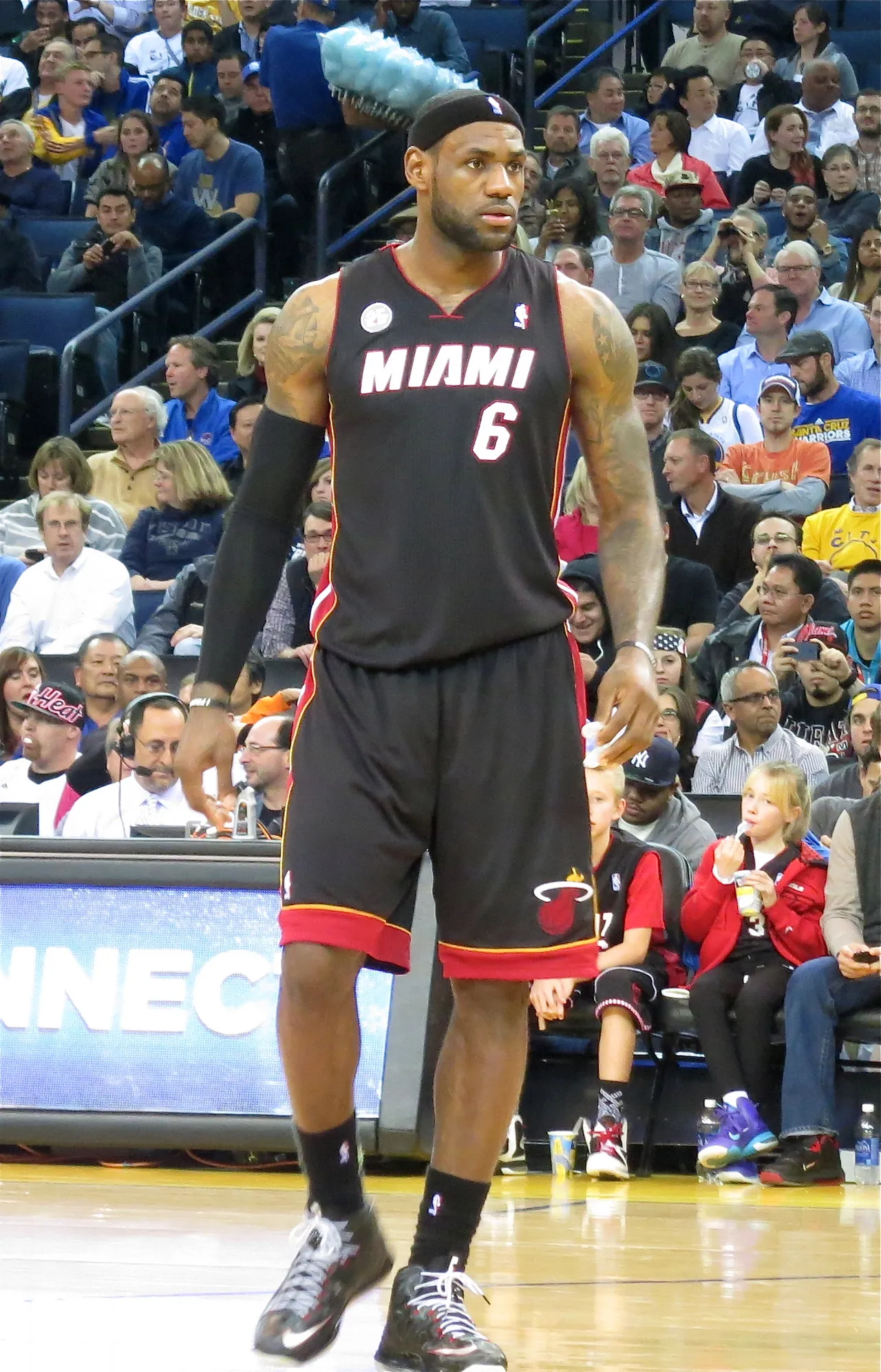
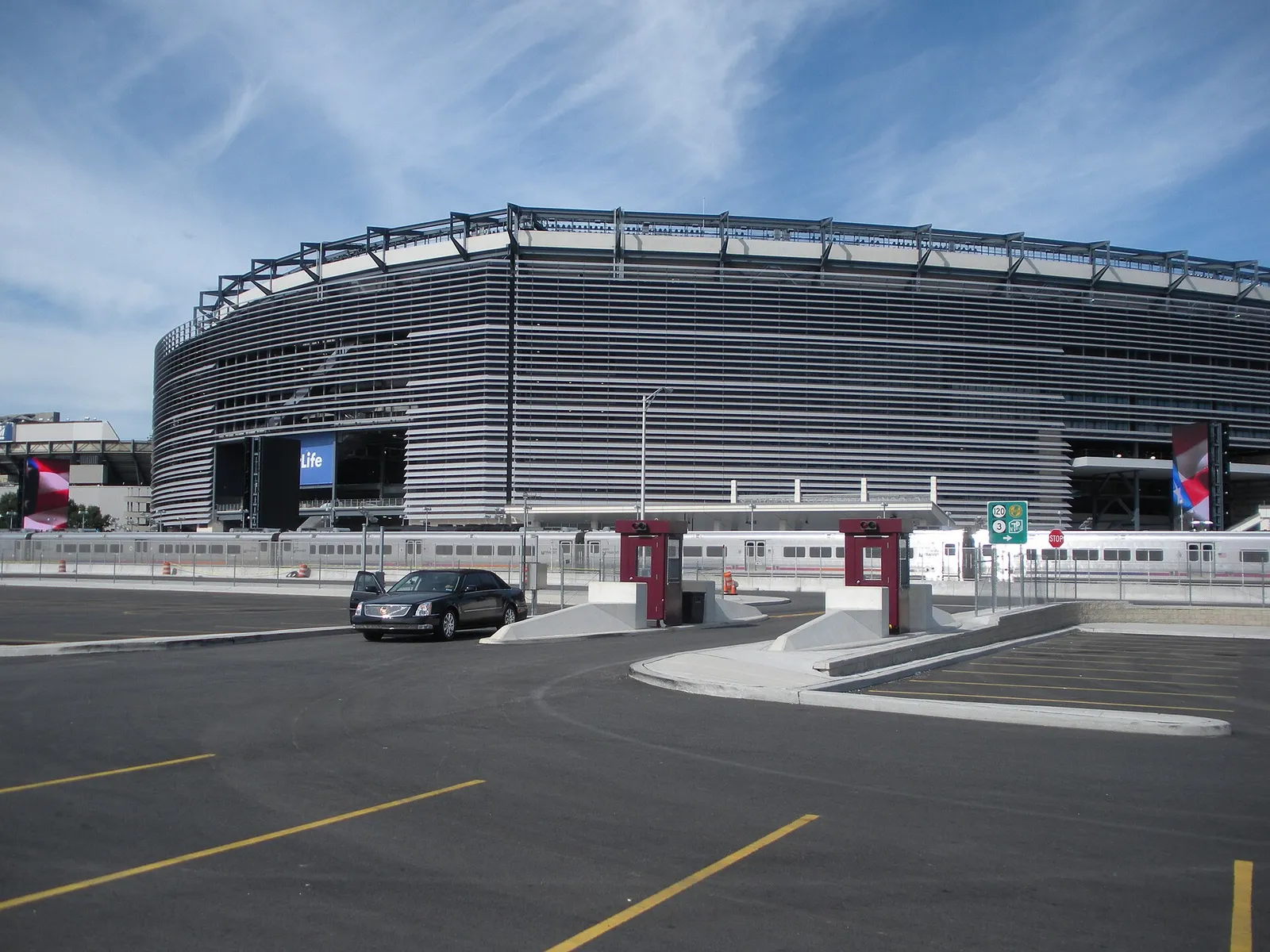
According to ESPN, several Argentina players and coaches clashed with the Spain team on the pitch after the final whistle at MetLife Stadium. In the accounts ESPN reports, Leandro Paredes shoved Gavi to the ground after the Barcelona midfielder stepped in when Paredes grabbed Eric García by the throat; Paredes and Nahuel Molina struck García and Rodri; and an Argentina assistant coach, Roberto Ayala, appeared to strike Dani Olmo. During the match itself, only Enzo Fernández was sent off, for a second yellow card.
Those are serious allegations of after-the-final violence, and FIFA has opened an investigation into the clash, though ESPN reports no detail yet on possible sanctions or a timeline.
Gavi's position
The player on the receiving end took a notably forgiving line.
"No, to be honest, I don't think they should be suspended," Gavi said, according to ESPN. He acknowledged the incident sent a poor message but argued that a degree of aggression is part of football, and that if anything was to be punished it should have been dealt with on the pitch, by sending players off during the game rather than after it.
Why his stance is interesting
It would be easy for the aggrieved side to demand the maximum, and Gavi's refusal to do so is the story.
There is a genuine tension here that his comments expose. On one side is the argument that violent conduct after a match, off the run of play and involving coaches as well as players, is exactly what disciplinary systems exist to deter, and that the identity of the victim should not determine whether rules are enforced. On the other is Gavi's view: that football is a heated, physical game, that tempers in a World Cup final are extraordinary, and that dragging players through suspensions after the event serves little purpose.
FIFA, not Gavi, will decide, and it is not bound by the wishes of those involved. But a winner declining to press for punishment complicates the usual script, in which the wronged team seeks the heaviest sanction. It leaves the governing body to weigh the principle, that post-match violence should carry consequences, against the magnanimity of the player who was knocked down and would rather let it go.