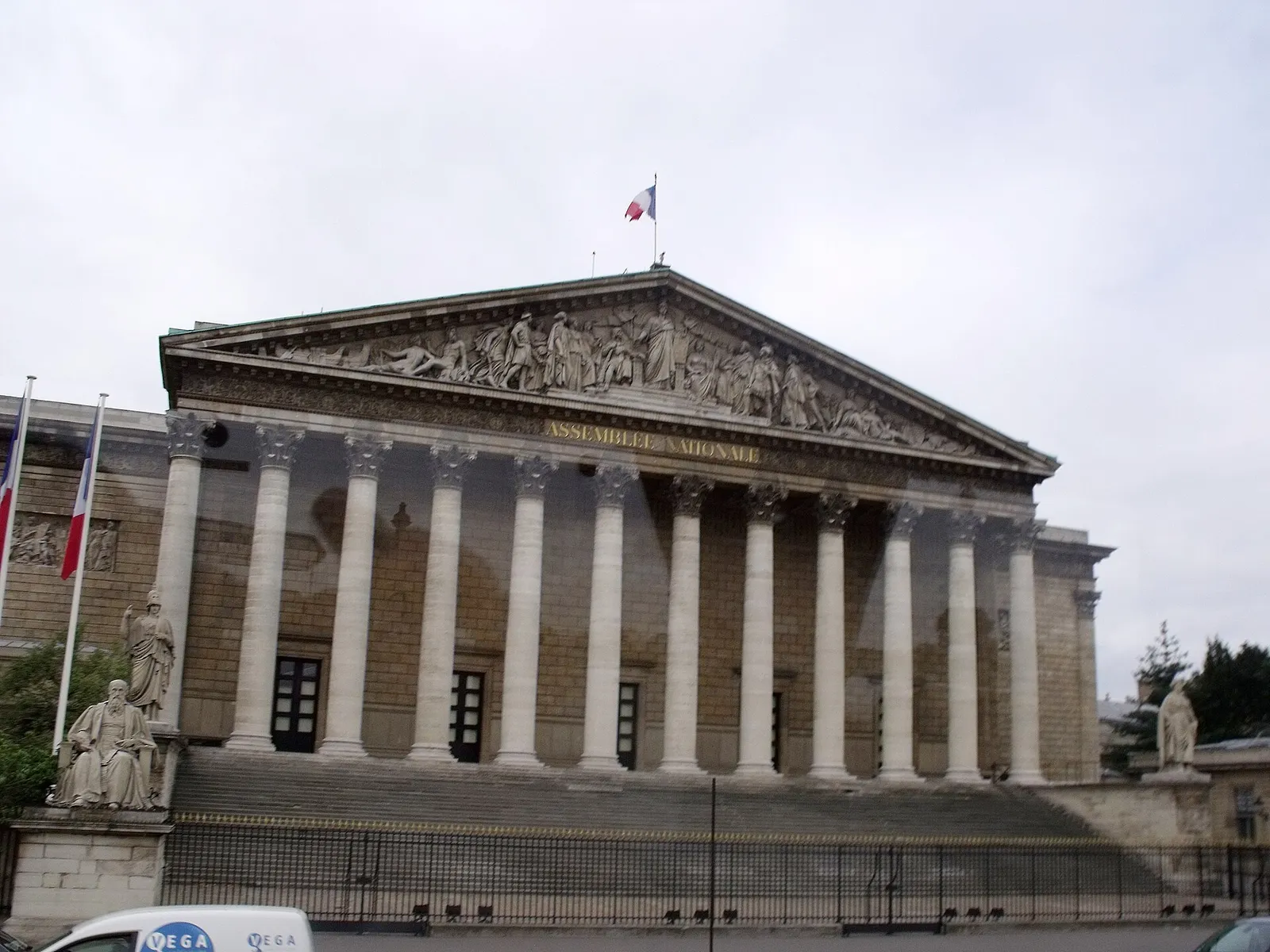
France's parliament has approved a law banning children under the age of 15 from using social media, becoming the first European Union member state to adopt such a blanket restriction, Euronews reports. The same legislation also prohibits the use of mobile phones in high schools.
What was passed
Both chambers of the French parliament voted in favor of the measure on Tuesday, after a compromise text was agreed by deputies and senators in a joint committee the day before.
The vote was not close. According to Euronews, only the far-left France Unbowed (La France Insoumise) opposed the bill, while the Socialists abstained. President Emmanuel Macron wants the law to take effect "at the start of the new school year in September," though Euronews notes that a constitutional review is likely and could push that date back.
The measure is described as a flagship initiative of Macron's second term, and one of the last major laws to be adopted under his presidency before he leaves office next year.
The argument against a blanket ban
Even among those who did not vote against it, the bill drew a substantive objection worth setting out, because it is the crux of the policy debate.
The Socialist deputy Arthur Delaporte framed the choice as between two approaches: "Do we decide to impose a blunt, blanket ban on all social media for minors, or do we instead decide to ban only the harmful features?" That question, whether the right target is access itself or the specific design features that keep children hooked, is the one every government weighing similar rules is grappling with.
Supporters of a hard age limit argue it is clear, enforceable in principle, and puts the onus on platforms. Critics argue that a blanket ban is a crude instrument: that it may simply push children toward evasion, that it does nothing about the underlying design of the products, and that it raises questions about how anyone's age is to be checked online without collecting more personal data on everyone.
On the practical mechanics, one important gap remains. The reporting does not set out how the ban will be enforced, what age-verification the platforms will have to use, or what penalties they will face if under-15s slip through. Those details will determine whether the law changes behavior or mainly makes a statement.
Where this sits in Europe
France is moving ahead of the rest of the bloc, but not alone in direction.
Euronews reports that several other European countries are planning their own restrictions on minors' access: Greece, Slovenia and Sweden among them, with Spain considering a limit at 16 and Austria at 14. At the EU level, however, the European Commission has favored a phased approach to children's access rather than an outright ban of the kind France has now legislated.
That gap between Paris and Brussels is the wider significance of the vote. A large member state has decided not to wait for a common European rule and has set its own, stricter line. If it survives constitutional review and proves workable, France's ban will become the test case that other governments, in Europe and beyond, watch to judge whether a hard age limit on social media can actually be made to work.