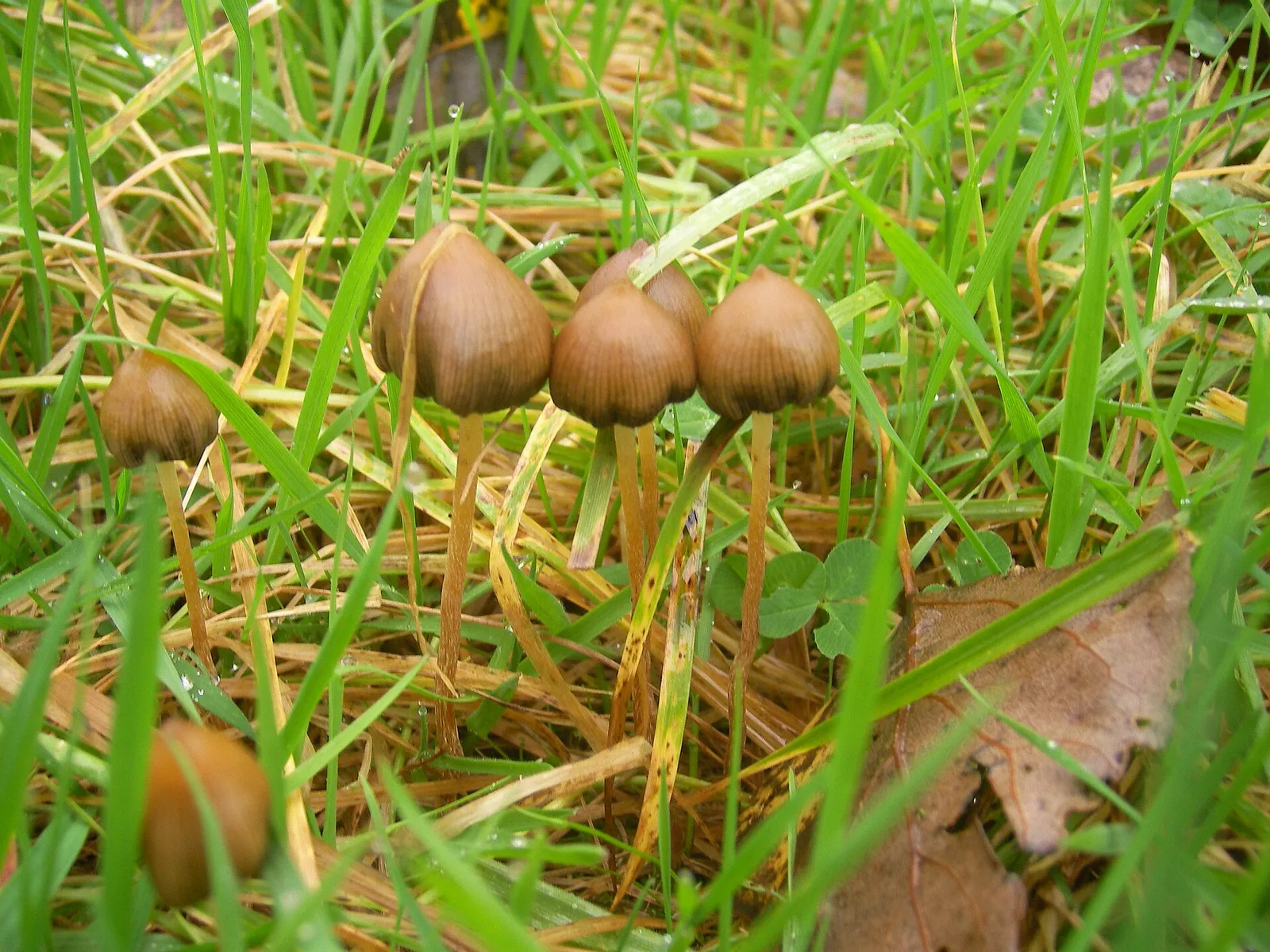
A single dose of psilocybin, the psychoactive compound found in so-called magic mushrooms, produced changes in the brain that persisted for roughly a month, according to a study reported by ScienceDaily. The work, from researchers at the University of California, San Francisco and Imperial College London, was published in the journal Nature Communications.
What the study did
The design was small and controlled, which matters for how much weight the results can bear.
Twenty-eight healthy adults took part, none of whom had used psychedelics before or had a diagnosed mental health condition. Each first received a 1mg placebo dose, then a 25mg dose of psilocybin a month later, so that each participant served as their own comparison. The researchers tracked brain activity and structure using several imaging methods, EEG during the experience itself, plus fMRI and diffusion imaging at multiple points before and after.
Because everyone was healthy and drug-naive, the study is a look at what the compound does to a typical brain, rather than a test of whether it treats any particular illness.
What they found
The reported changes fall into two parts: one immediate, one lasting.
Within about an hour of the dose, the researchers recorded a rise in what they call brain entropy, meaning more varied, less stereotyped neural activity. A month later, they reported denser neural tracts with greater structural integrity, which the release describes as the opposite of the kind of change usually seen with aging, along with measurable gains in cognitive flexibility four weeks after the dose.
The participants who showed the largest increase in entropy during the experience also reported the most psychological insight and the greatest improvement in well-being. That correlation, between a brain measure and how people said they felt, is the part the researchers find most suggestive.
Taylor Lyons, a researcher at Imperial College London, put the interpretation in plain terms: psilocybin, he said, "seems to loosen up stereotyped patterns of brain activity and give people the ability to revise entrenched patterns of thought."
How much to make of it
This is where caution is due, and the researchers themselves supply it.
Twenty-eight healthy volunteers is a small sample, and the study measures brain and mood changes in people who were not unwell to begin with. It does not show that psilocybin treats depression, addiction or any other condition, and the team stresses that more work is needed to establish what the structural findings actually mean.
The reason the result is nonetheless of interest is the direction of travel in the field. Psychedelics have drawn serious scientific attention as possible tools for hard-to-treat mental illness, and one recurring question is whether their effects are fleeting, gone with the experience itself, or whether they leave a lasting imprint that could underpin longer-term benefit. A month-long change in brain structure and flexibility, if it holds up in larger and clinical samples, would be evidence for the second possibility. For now it is a small, careful signal, not a conclusion, and it is best read that way.