A photographer in Brazil ran a bird photograph through an AI enhancement tool. The software tidied the image and, in doing so, added plumage features belonging to a red-winged blackbird, a species that lives in North America, to what was actually an epaulet oriole.
Had that photograph been uploaded as a record, it would have placed a North American bird thousands of kilometers from anywhere it occurs.
The case is described in reporting on warnings from Alexander Lees, an ecologist at Manchester Metropolitan University, who has raised the problem of fake and heavily altered bird images appearing on the platforms that researchers depend on.
Why a photograph is data
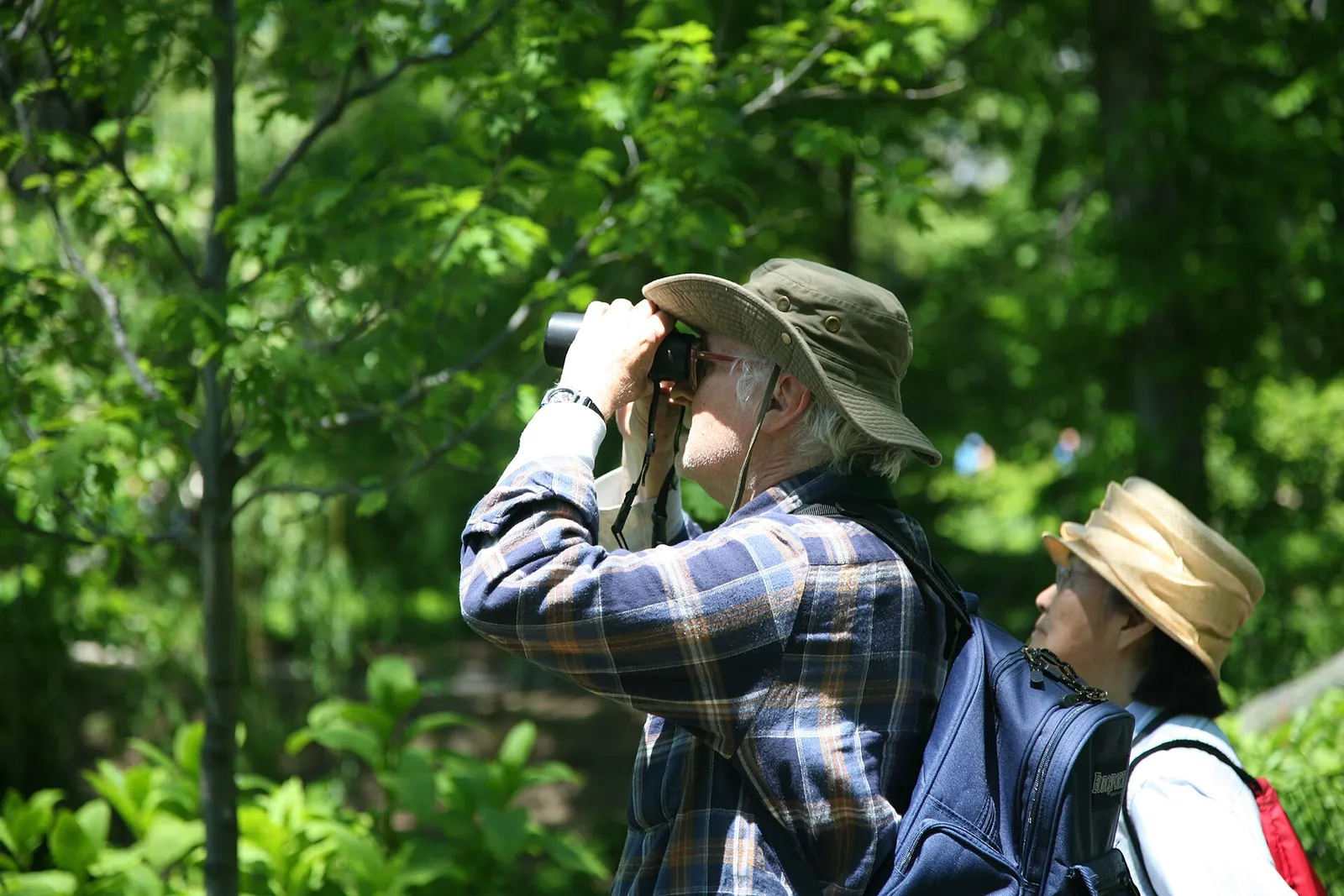
Birdwatching produces one of the largest scientific datasets in existence, and it is produced almost entirely by volunteers. Platforms including eBird and iNaturalist collect hundreds of millions of observations, each tying a species to a place and a date.
That combination is what makes the records scientifically useful. According to eBird's own account of how the data is used, the observations feed conservation decisions and peer-reviewed research on species management and habitat protection.
The photograph is the evidence. When a birder reports something unexpected, the image is how a reviewer confirms it. Remove confidence in the image and the verification chain that makes volunteer data usable starts to fail.
What a false record actually breaks
A fabricated or altered record does not simply add one wrong line to a spreadsheet. It corrupts specific kinds of analysis.
Range maps are the most obvious. A convincing image of a species somewhere it does not occur can register as a range extension, which is precisely the signal researchers watch for when tracking how animals respond to a warming climate. A genuine range shift and a fake record look identical in the data.
Migration timing is similarly vulnerable. Arrival and departure dates are used as indicators of seasonal change, and they depend on outlying early and late records being real.
The difficulty is that the records most valuable to science are the unusual ones, and the unusual ones are exactly what a fabricated image produces.
Nobody knows the scale
Here the honest answer is that the extent of the problem is unmeasured.
On iNaturalist, which hosts more than 610 million images, about 1,400 have been flagged for AI use. That figure is a count of what has been caught, not an estimate of what exists, and it should not be read as a prevalence rate. A well-made fake is difficult to spot, and a user who enhanced an image casually has little reason to flag it.
The cases surfacing so far have been found by expert observers noticing something wrong in a particular picture, not by systematic auditing. That is a detection method that scales badly.
What the platforms are doing
Both major platforms have responded, within the limits of what moderation can do.
iNaturalist has added a flag for artificially generated content and a data quality category for edited evidence. An observation flagged as AI-generated cannot reach research grade while the flag stands, which keeps it out of the subset most researchers draw on. That is a meaningful control: it does not require catching everything, only keeping flagged material out of the scientific pool.
eBird operates a review process combining automated filters with regional volunteer reviewers who assess unusual reports, and media uploads are held in the Macaulay Library where they can be checked.
Neither system can inspect every submission, and detection tools can be defeated by better generators. The realistic goal is not to eliminate fakes but to keep them out of the research-grade tier.
Not an argument against the tools
It is worth being precise about the failure. The Brazilian photograph was not a hoax. Someone used a consumer enhancement feature and the software invented detail, which is what generative enhancement does: it fills gaps with what is statistically plausible rather than what was there.
That makes the practical request a narrow one. Researchers are not asking birders to stop using technology. They are asking that images submitted as evidence not be generatively altered, because an enhanced photograph is no longer a record of what stood in front of the lens.