Kevin Keegan died on Monday at the age of 75. He had stage four cancer, diagnosed in January.
His family described him as "a much loved husband, father and grandfather."
The player
Keegan was not physically imposing, which is why the nickname stuck: Mighty Mouse. What he had instead was relentlessness, and a knack for arriving in the right part of the penalty area a fraction before the defender did.
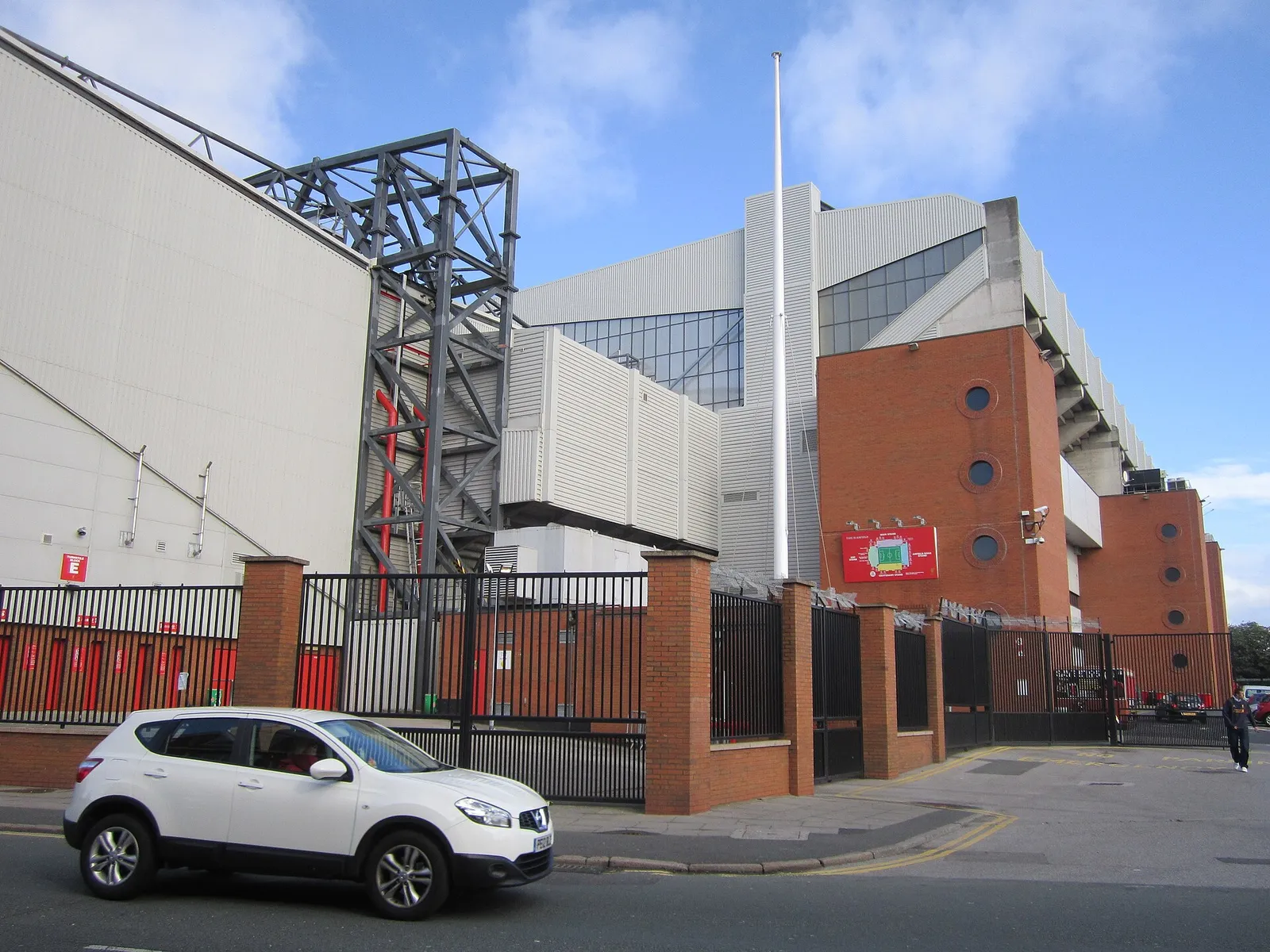
At Liverpool through the 1970s he was central to the side that came to dominate English and then European football. ESPN records three First Division titles, a European Cup, an FA Cup and two UEFA Cups from his years at Anfield. He won 63 caps for England, scored 21 goals, and captained the side.
Then he did something unusual for an English player of that era. In 1977 he left for Hamburg, at a point when almost nobody in English football moved abroad, and he became better there rather than fading.
The recognition followed. He was named European Footballer of the Year in 1978 and again in 1979, the award now generally called the Ballon d'Or, and remains one of a small number of players to have won it in consecutive years. He returned to England with Southampton in 1980 as the reigning holder of it, and finished his playing career at Newcastle.
The manager
His management career was the more divisive half, and it produced the thing most people who watched it still talk about.
Keegan took over a Newcastle side in the second tier and led them to promotion in 1993. What followed was the 1995-96 season, when Newcastle led the Premier League by a wide margin at the turn of the year, played some of the most watchable football the competition has seen, and were caught by Manchester United. They finished runners-up.
That team is remembered as the Entertainers, and the label is doing real work. Keegan's sides attacked because he believed that was the point of the game, and he accepted the defensive cost of it. It is why they were loved and why they did not win the league, and he never pretended otherwise.
He also managed Fulham, and Manchester City for four years, and returned briefly to Newcastle in 2008.
The England job, from 1999 to 2000, was the least successful part of his career. He resigned, and did so with a candour rare in the role, saying he was not up to the tactical side of it. It was an unusual thing for a manager to admit in public, and the admission has aged better than most of the criticism it attracted.
What he was for
Keegan belongs to a category of sporting figure whose importance is not fully captured by the honours list, though his list is long.
He was a self-made player, without exceptional physical gifts, who reached the highest individual honour in the European game twice by working harder than the people around him. He then managed in a way that was recognisably an extension of his personality: emotional, attacking, occasionally reckless, never cynical.
Newcastle United called him "one of the most iconic, influential and deeply loved figures in our club's history", saying that he "gave supporters hope and pride." The club's statement ended: "Rest in peace, King Kev."
The former Liverpool defender Jamie Carragher called him "an absolute giant of the English game."
Both of those are the responses of clubs and players who associate him less with trophies than with a way of playing. That is an unusual legacy in a sport that counts everything, and it is probably the one he would have chosen.