The interesting thing about how Spain spent the days before the World Cup final, in ESPN's account of it, is how little of it looked like preparation for a World Cup final.
The days before
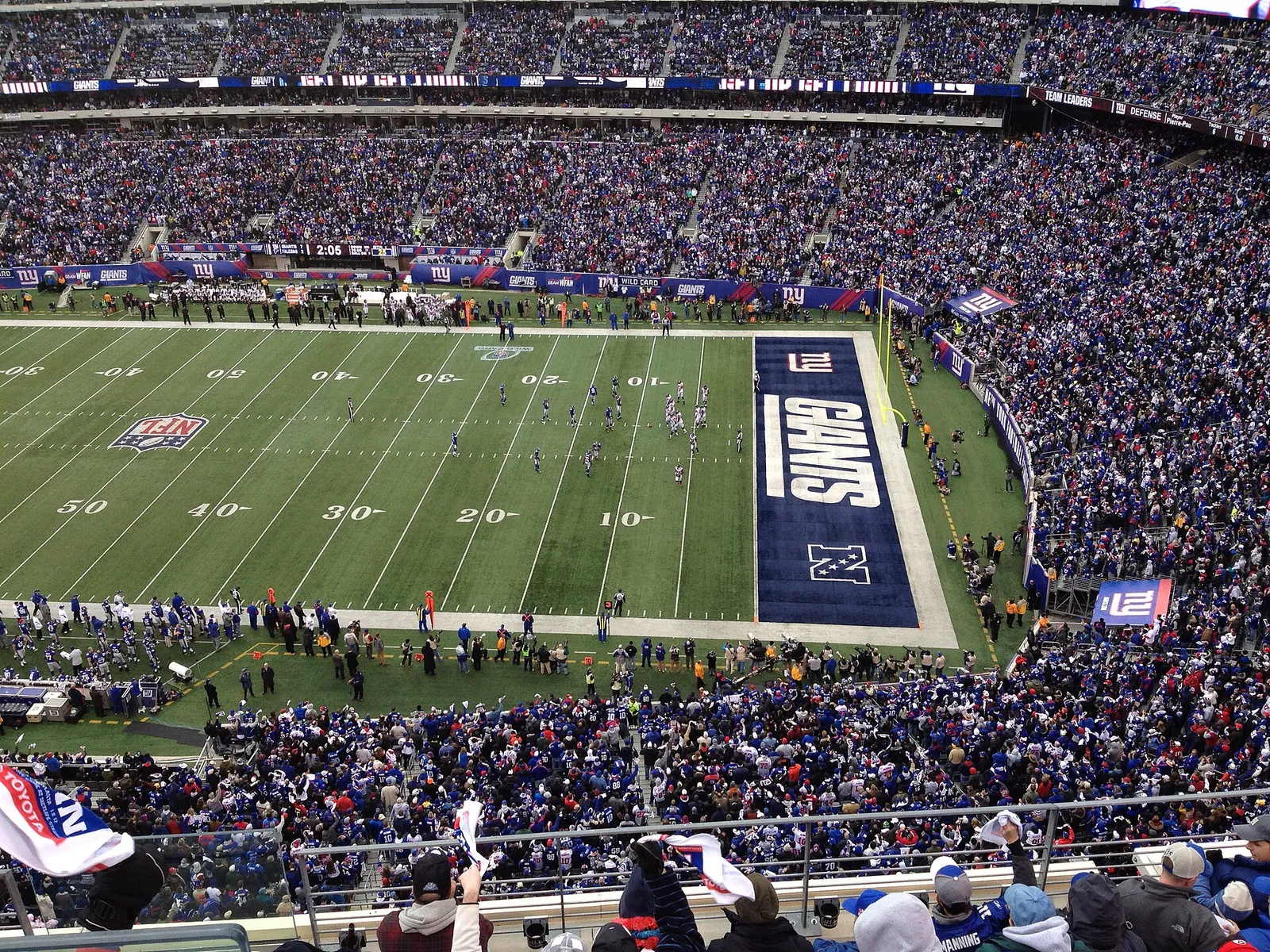
The logistics were the dramatic part, and even those were handled without fuss. The captain, Rodri, was driven from Manhattan to the team's base in Montclair, New Jersey, with a police escort. The coach, Luis de la Fuente, went by helicopter from Manhattan to Newark, a route that took him over MetLife Stadium, where the final would be played.
Saturday's training did not happen. The squad had planned to work at the Red Bull New York facility in East Hanover, but lightning struck in front of the players as they tried to walk onto the pitch, and they retreated indoors. A team two days from the biggest match of its lives lost a session to the weather, and the account records no crisis about it.
What filled the gap was ordinary life. A third-floor hotel suite was turned into a grooming room, where about a dozen players had their hair cut and watched England play France in the third-place match. In the evening, a similar number gathered on the hotel rooftop bar with their families. The atmosphere was relaxed, and, ESPN notes, alcohol-free.
The detail that explains the team
The piece records a nickname that does more work than the rest of the colour combined.
Three players, Ferran Torres, Marcos Llorente and Marc Pubill, were known in the camp as the "sunshine boys," because throughout the tournament they woke at dawn to watch the sunrise and sit in the early light, in city after city.
It is a small, faintly eccentric habit, and it is also a clue. A group of players who kept a private sunrise routine going across a month of high-pressure football were, evidently, treating the tournament as something to be lived through calmly rather than survived in a state of nerves. The rooftop evening and the unbothered response to the cancelled training are of a piece with it.
The match, and the line
Spain then beat Argentina 1-0 after extra time, the goal scored by Torres, one of the sunshine boys, in the second period of extra time. It gave Spain a second World Cup, and completed a tournament in which they had conceded only a single goal.
Torres's description of the goal is the one direct quote worth carrying, because it fits everything around it: "I didn't really think about it, I just hit it with all the power of the Spanish people."
That is not the language of a player who was tense. It is the language of someone who had spent the week getting his hair cut and watching the sun come up, and who then, when the moment arrived, did not overthink it.
Why the calm is the story
There is a temptation to treat behind-the-scenes tournament features as filler, and much of the time the temptation is correct. This one earns its place because the atmosphere it describes is not incidental to the result; it is close to an explanation of it.
Spain won the tournament as the best-defended team in it, conceding almost nothing across the whole competition. That kind of football, patient, controlled, error-averse, is produced by players who are not panicking, and a squad that spends the eve of a final having haircuts and watching sunrises is telling you something real about its own temperament. The calm was not a nice detail alongside the win. It was, on this evidence, part of how the win was built.