At least 143 people are dead or missing after a boat carrying migrants toward Europe drifted at sea for weeks and was eventually found off the coast of Mauritania, the United Nations refugee agency said, according to Al Jazeera. The agency reported the disaster on Tuesday.
What is known
The account is one of prolonged drift rather than a sudden sinking.
According to the UNHCR figures reported by Al Jazeera, the boat set out from Bafuloto, in The Gambia, carrying about 160 people, and was trying to reach the Canary Islands, the Spanish archipelago in the Atlantic that has become a principal destination on the West African migration route. It drifted for around 25 days before being rescued on July 18 and brought to port at Nouadhibou, in Mauritania.
Of those aboard, 38 survived. Mauritania's coastguard put the number missing at 122, and attributed the disaster to the boat running out of fuel after departure, leaving it adrift. The dead and missing were from countries in sub-Saharan Africa.
Al Jazeera also reported a separate death on another vessel that disembarked on July 14, a reminder that these are not isolated events but a continuing pattern along the same route.
The human detail
Numbers on this scale can blunt rather than convey what happened, so one detail from the survivors is worth stating plainly.
Among those rescued, a UNHCR spokesperson, Matt Saltmarsh, said, "were two children who have lost all their family members during the journey, and they are recovering in hospital." Two children, alive, alone, is the disaster reduced to its smallest and hardest unit.
Why this route is so deadly
For readers less familiar with it, the Atlantic route to the Canary Islands has become one of the most dangerous migration corridors in the world, and the reasons are worth setting out.
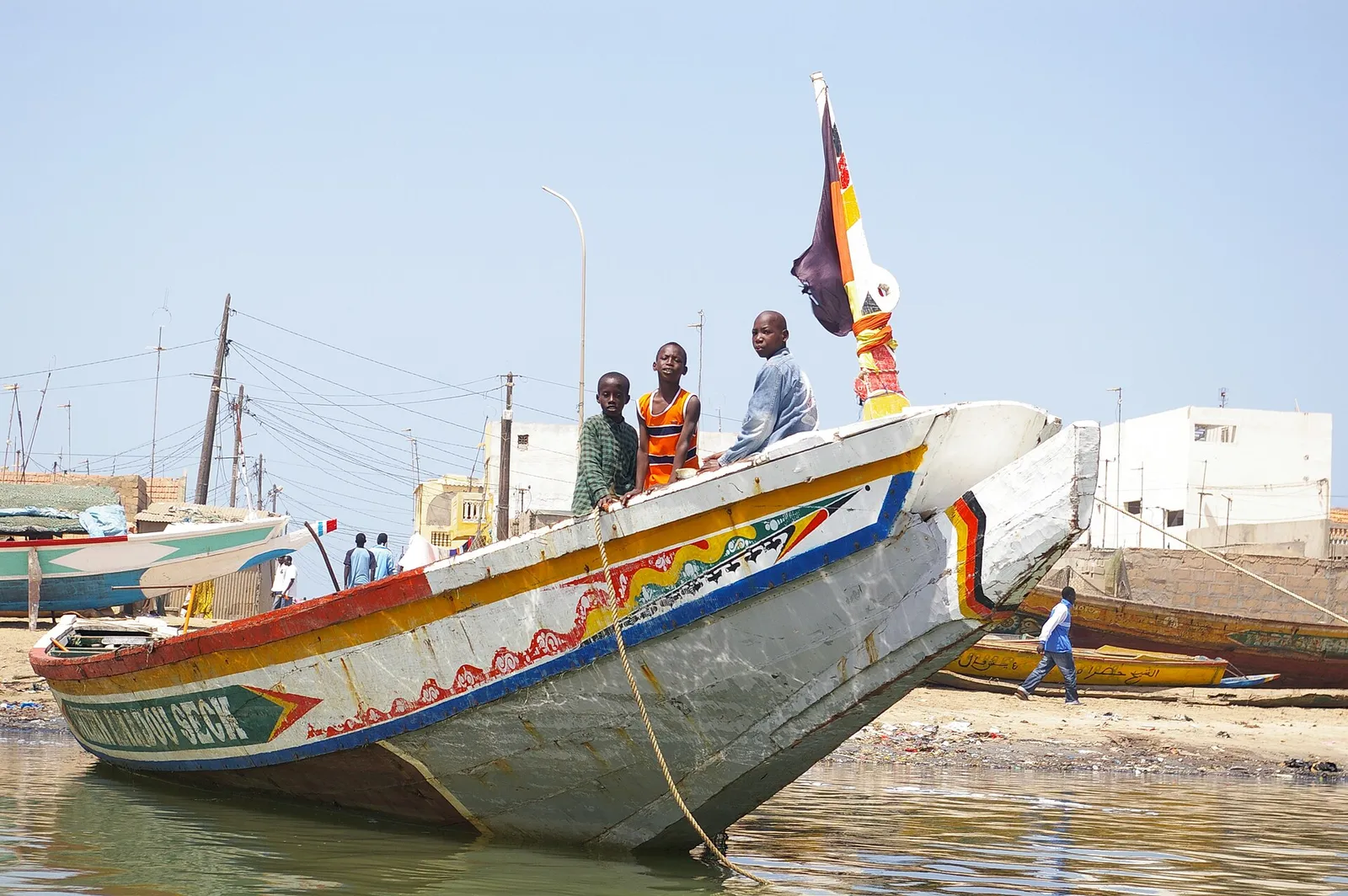
The crossing from the West African coast to the Canaries is long and made in wooden fishing boats not built for open-ocean voyages, often overloaded and with little fuel, water or navigation. When a boat loses power or drifts off course, as this one did, there is no quick rescue: the distances are vast, the boats are hard to find, and people can survive only as long as their supplies last. The result is that a single failure, an empty fuel tank, can turn a crossing into a weeks-long ordeal that no one aboard survives.
That is the grim mechanism behind the figure. This was not a collision or a storm, but a boat left to drift until most of the people on it had died. It is the deadliness of the route itself, rather than any single dramatic event, that this disaster illustrates, and it is why humanitarian agencies keep warning that the toll on this crossing continues to mount largely out of sight.