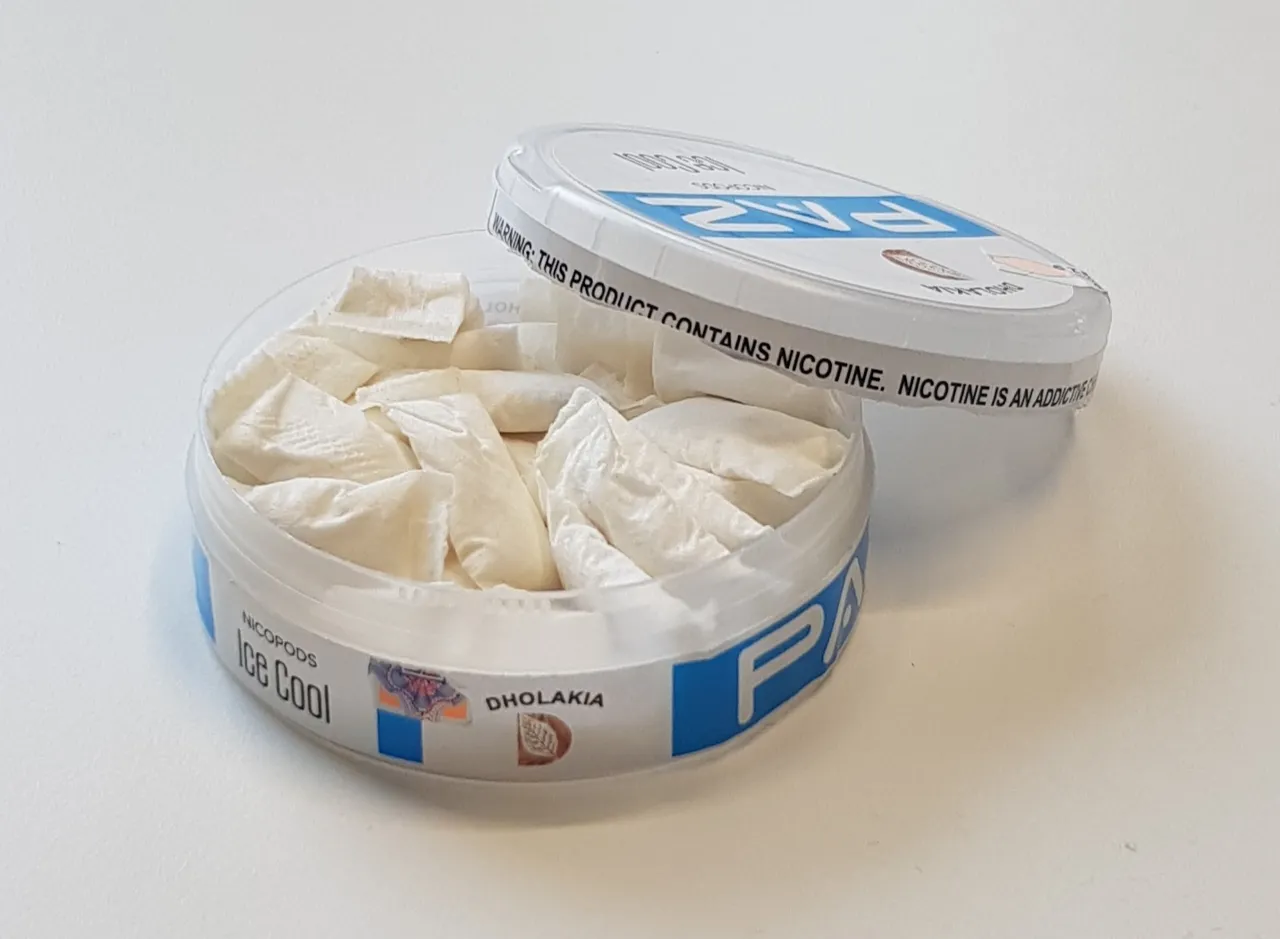
Small enough to tuck under a lip and leave no smoke or spit behind, nicotine pouches have become the fastest-growing product in the tobacco business, and the industry's clearest bet on life after cigarettes. Philip Morris International's Zyn brand leads the surge in the United States, and late last month American regulators handed it a marketing prize that no such product had held before: permission to tell customers it is less harmful than smoking.
A fast-growing bet
Zyn has moved from a niche product into mainstream retail, sold in convenience stores, groceries and gas stations across the country. Philip Morris, which bought Zyn's maker, Swedish Match, in 2022, says US shipments jumped sharply again in 2025 and that its smoke-free products now make up a large and rising share of company revenue. The bet is straightforward: as cigarette sales decline in wealthy markets, the company wants to own whatever replaces them, and investors have rewarded the strategy, pushing its shares to records this year.
The appeal is partly design. The pouches are tobacco-free, holding nicotine salts, flavoring and filler, and are placed under the upper lip, where nicotine is absorbed over 20 to 30 minutes. There is no smoke and no visible ritual, and they come in mint, coffee, citrus and other flavors.
The regulator's move
On June 30, the US Food and Drug Administration authorized 20 Zyn products to carry a "modified risk" claim, allowing the company to state that switching completely from cigarettes to Zyn lowers the risk of illnesses including mouth cancer, heart disease, lung cancer, stroke and emphysema, the FDA said. It was the first time the agency granted such an order to a nicotine-pouch product, CNBC reported.
The scientific reasoning is that burning tobacco, not nicotine itself, produces most of smoking's harm. For a smoker who switches entirely to a pouch, researchers broadly agree the disease risk falls. The agency stressed its orders apply only to the specific products reviewed, not to nicotine pouches as a class, and expire after five years.
The health worry
Public-health groups see a different risk in the same product. The American Heart Association and American Lung Association opposed the authorization, arguing it lends legitimacy to nicotine addiction and to flavors and branding that appeal to the young. Federal survey data indicate that a small but meaningful share of US middle and high school students, on the order of 1.7 percent, now use nicotine pouches, and that the large majority who do choose flavored versions, the American Heart Association noted.
The pouches deliver nicotine at doses comparable to cigarettes, so their potential to create dependence is similar, and for a teenager who never smoked they offer a path into addiction without smoking's stigma. Because the products only reached the US market in the past decade, long-term health data do not yet exist, and some studies have detected trace carcinogens and metals in certain formulations.
An open question
The FDA orders can be withdrawn if youth use climbs, a safeguard that critics call untested. The bet regulators have made is that a product genuinely less harmful for adult smokers can be sold without seeding nicotine addiction in people who would never have smoked at all. Whether those two outcomes can coexist is, for now, unresolved, and the answer will shape both a booming industry and the health of the next generation of nicotine users.