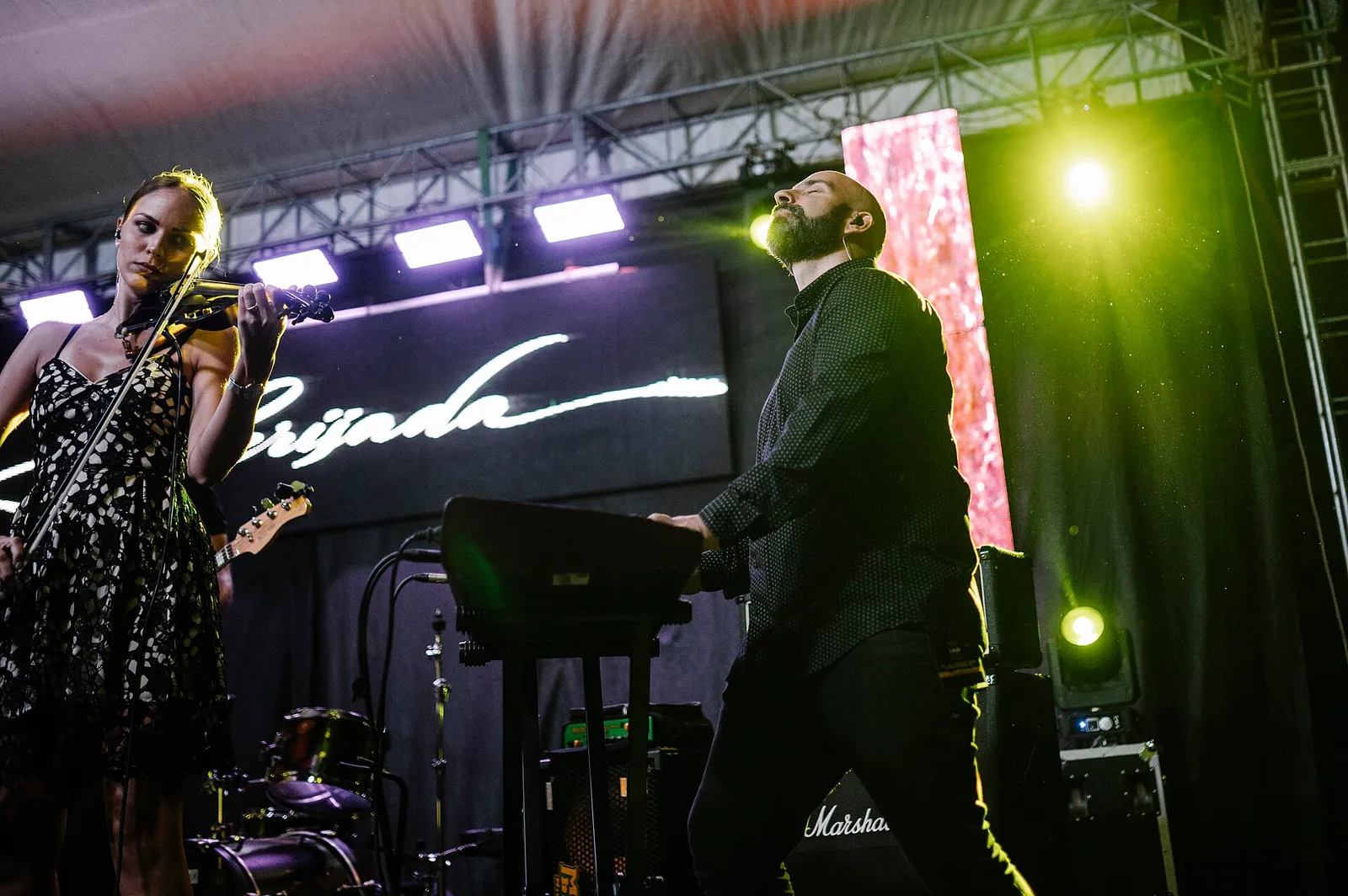
Going to see live music has, for many, become a strikingly expensive proposition — and, analysts suggest, that is not an accident but the shape of the industry's growth. As the concert business has boomed since the pandemic, its revenues have increasingly come from a smaller, more devoted and better-off slice of the audience willing to pay premium prices, MarketWatch reported.
The superfan economy
The industry has openly leaned into the idea that its most passionate fans — "superfans" — will pay far more for a better experience. That means VIP packages, early access, premium seating, meet-and-greets and bundled perks that can run to hundreds or even thousands of dollars, well above the price of a standard ticket.
For the big promoters, this is where the money increasingly is. Live-entertainment companies have signaled that they intend to grow the share of revenue coming from premium and VIP offerings substantially, as Billboard has reported — turning what was once a niche add-on into a central pillar of the business. Top tours now routinely offer high-end seating tiers priced for those to whom cost is not the main consideration.
Prices, and dynamic pricing
Standard ticket prices for major tours have risen sharply in recent years, and the spread of "dynamic pricing" — where prices move up and down with demand, sometimes while fans wait in an online queue — has added both cost and uncertainty. Supporters argue the practice captures value that would otherwise go to scalpers on the resale market and passes more of it to artists. Critics counter that it can leave ordinary fans facing unexpectedly high prices and a sense of being squeezed.
The resale market compounds the problem: for the biggest shows, secondary-market tickets can cost well above face value, putting popular concerts further out of reach for those unwilling or unable to pay a premium.
Who gets left out
The concern that analysts and commentators raise is not that the industry is failing — it is thriving — but about who is being left behind. As the economics tilt toward superfans and higher-spending attendees, the casual fan, the younger fan and the price-sensitive fan risk being edged out of an experience that was once a broadly shared cultural staple. Reports point to pressure on smaller and mid-sized venues even as stadium tours flourish, suggesting the growth is concentrated at the top end.
Two ways to see it
There are two defensible readings of the trend, and both contain truth. From the industry's side, giving devoted fans lavish, high-priced experiences meets a genuine demand, rewards artists, and has helped fuel a remarkable live-music recovery; no one is forced to buy the $2,000 package. From the other side, when the economics of an art form increasingly depend on extracting more from a wealthy core, the everyday fan can find the door quietly closing — priced out of a room that used to be open to almost anyone.
For now, the live-music boom continues, and the biggest acts sell out regardless. The open question is whether a business built increasingly around superfans and premium spending can stay culturally central if a growing share of would-be fans simply cannot afford to walk in.