More than eight years after two respected botanists were killed while searching for rare plants in South Africa, a court has sentenced their killers to life in prison — closing a case that combined a brutal robbery with the loss of two figures admired in the world of plant conservation.
The victims and the crime
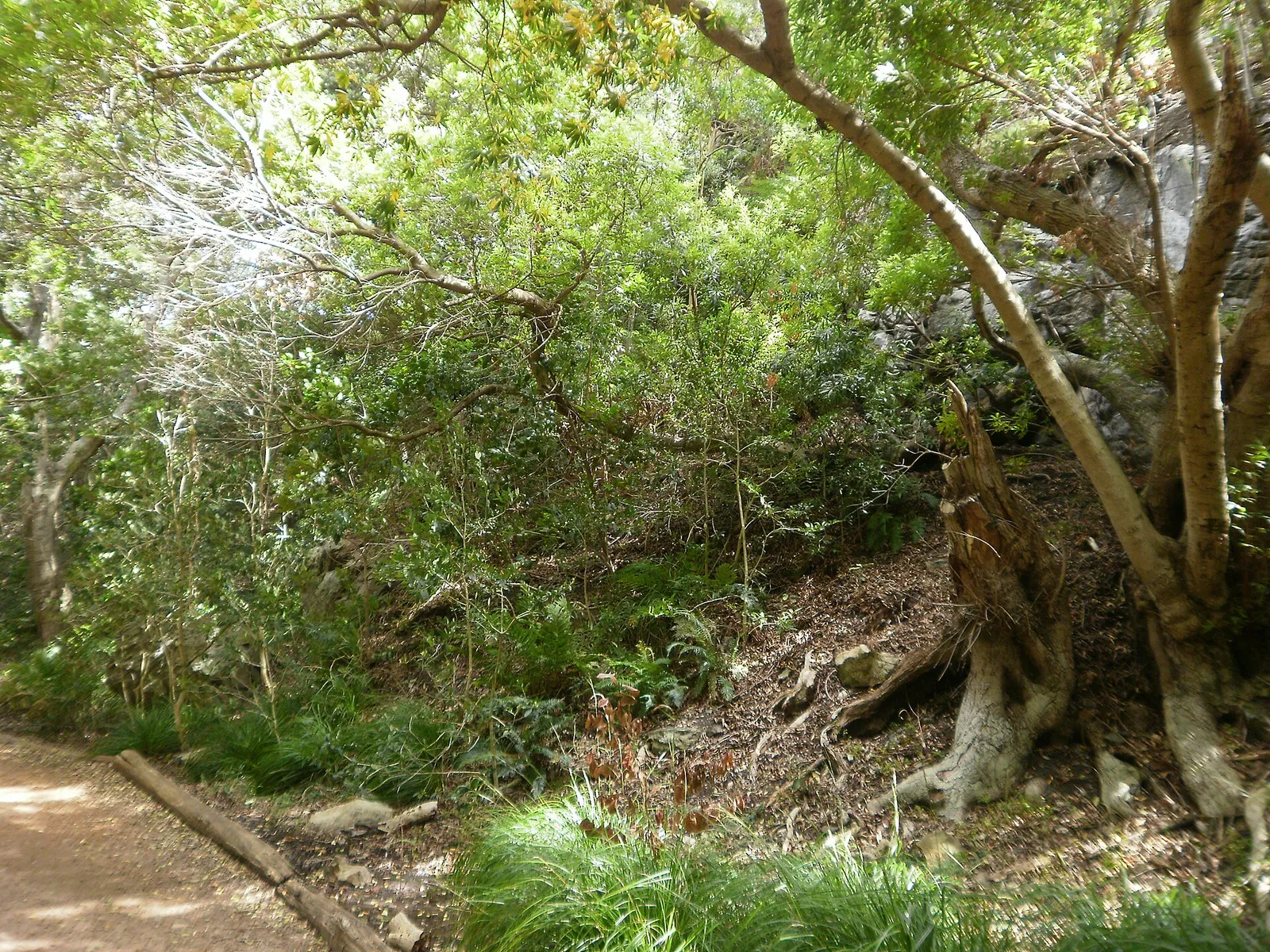
Rodney Saunders, 73, and Rachel Saunders, 64, held dual British and South African citizenship and lived in Cape Town, where they ran a business specializing in indigenous plant seeds. In February 2018 they traveled to the Ngoye Forest in KwaZulu-Natal, in eastern South Africa, to look for rare seeds; they had earlier been filming for a documentary elsewhere in the country. They went missing, and their bodies were later recovered from the banks of the Tugela River, TimesLive reported.
The couple had been kidnapped, robbed and killed. Investigators established that their bank accounts had been drained, and a key breakthrough in the case came when a suspect tried to use one of the couple's bank cards, drawing the attention of a shop cashier.
The sentences
At the High Court in Durban, three defendants — Fatima Bibi Patel, Sayefudeen Aslam Del Vecchio and Musa Jackson — were convicted of two counts of murder along with kidnapping, robbery with aggravating circumstances and theft. Each was sentenced to life imprisonment on the murder counts, with further years added for the other offenses, IOL reported. The presiding judge, Esther Steyn, emphasized the gravity of the crime and the apparent absence of remorse.
The court identified robbery — greed, in the judge's framing — as the driving motive for the killings. Reporting on the case has noted that the defendants were also linked to the Islamic State group, with related material said to have been found, but the prosecution and the court centered the case on the violent robbery of the couple rather than on ideology.
A long road to sentencing
The case took years to resolve, moving slowly through the South African courts before reaching sentencing in 2026. During the proceedings, the court heard testimony about the couple's standing and the impact of their deaths. Those who knew them described the loss of decades of expertise, and a relative spoke of the family's enduring anguish over how the couple died.
Remembering the Saunderses
Beyond the crime itself, the case is a reminder of who the victims were. The Saunderses were serious contributors to botany and seed conservation, known internationally for their work with southern Africa's rich and often threatened plant life. Their deaths, while pursuing exactly that work in a remote forest, were felt across a global community of botanists and conservationists.
For their family, and for that community, the sentencing offers a measure of accountability after a long wait. It cannot undo the loss — of two lives, and of the knowledge they carried — but it marks the formal end of the legal reckoning for a crime that took them.