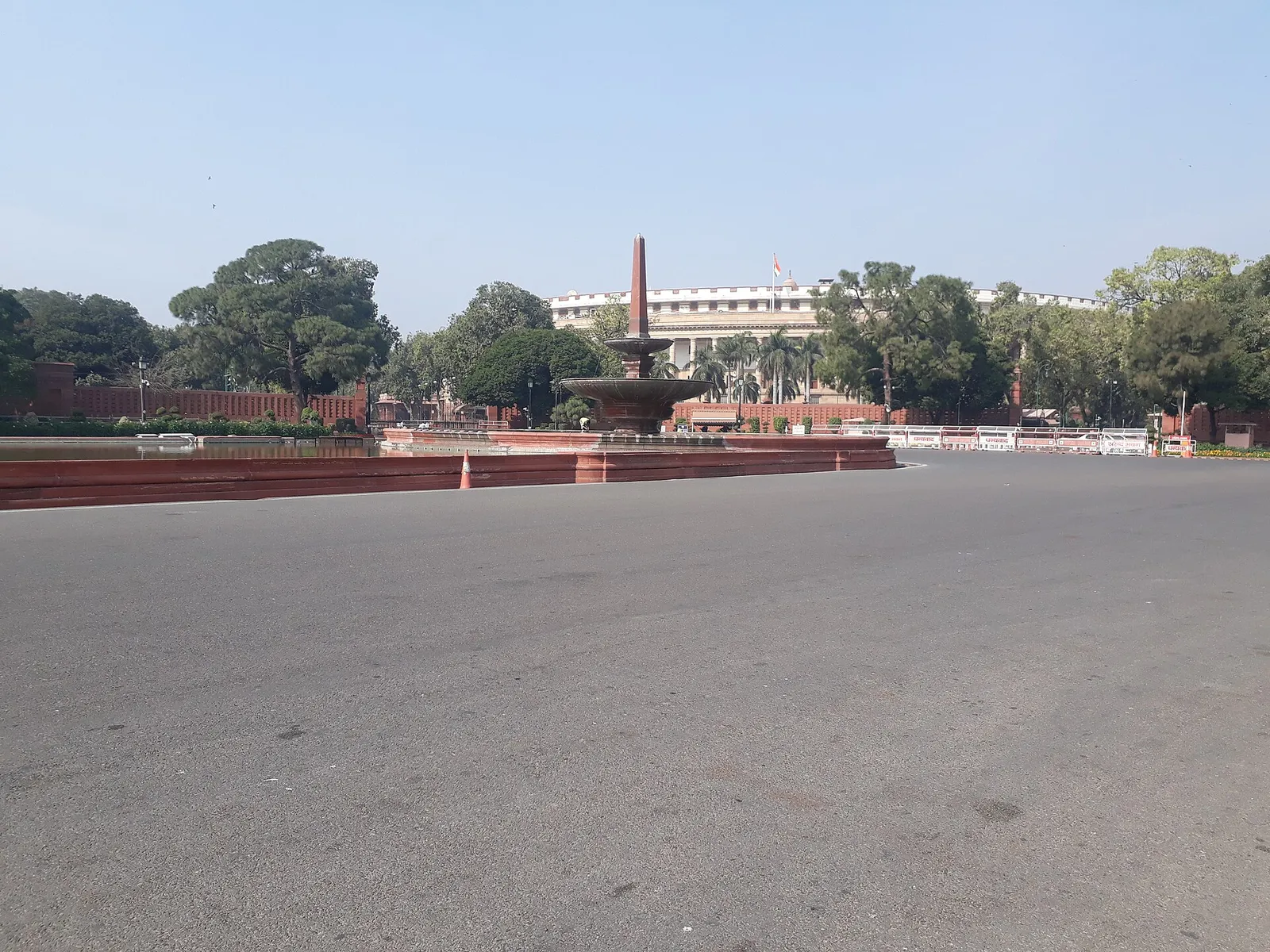
Protesters in India plan to march from Jantar Mantar to parliament in Delhi on Monday, the opening day of the monsoon session, according to Al Jazeera. Organizers expect tens of thousands, most of them students. That figure is their own projection and has not been independently confirmed.
What it is about
The grievance is specific before it is political. India's national examination system, which determines university places and government jobs for millions, has been repeatedly disrupted over the past decade by leaked question papers, technical failures and cancelled tests. Those failures have been linked to student suicides.
For candidates, an exam leak is not an administrative embarrassment. It can mean a year of preparation voided, and in a system where attempts are limited by age, sometimes a career closed.
The movement's original demand was that the education minister, Dharmendra Pradhan, be sacked over what protesters call inaction on the leaks. It has since escalated to calls for Prime Minister Narendra Modi to resign, a shift that followed the removal of the activist Sonam Wangchuk from the protest site on Saturday.
The name
The movement calls itself the Cockroach Janta Party, and the name is borrowed from an insult.
India's most senior judge compared government critics and unemployed young people to "cockroaches" and "parasites." Abhijeet Dipke, a former Boston University student, responded on X by asking what would happen if all the cockroaches came together. The satirical framing took hold, and Dipke now leads the party.
Reclaiming a slur is a familiar move in protest movements, and it tends to indicate a constituency that feels dismissed rather than argued with.
The hunger strike
Sonam Wangchuk, a 59-year-old Gandhian activist, engineer and educator, began a hunger strike on June 28. Police seized him at Jantar Mantar on Saturday, around 20 days in, and took him to the state-run Safdarjung Hospital against his wishes.
His family petitioned for his release. The Delhi High Court refused. Judge Mini Pushkarna ruled: "It cannot be said that any force is being used against Mr Sonam Wangchuk or that his bodily autonomy is being violated in any manner whatsoever," Al Jazeera reported.
The hospital reported his vital signs as stable, with blood parameters described as marginally altered, requiring continuous monitoring.
His wife, Gitanjali Angmo, disputes the framing. "Despite repeated requests, the hospital has refused to discharge him or allow us to shift him to a private hospital of our choice," she said, calling it illegal detention. A further hearing is set for Friday.
The case turns on a genuine legal tension rather than a simple wrong. States generally accept a duty to preserve life, including of people refusing food in custody; hunger strikers argue that refusing food is precisely the exercise of bodily autonomy that a duty of care overrides. Courts in several countries have split on it.
The government's position
Pradhan has refused to resign and has called the protesters the "B team of terrorists." Modi has not commented publicly.
That characterization is contested and is the minister's own. Nothing in the reporting indicates the movement has been linked to violence, and Al Jazeera's account describes a hunger strike, a sit-in and a planned march.
What Monday tests
Two things, really. Whether the turnout matches the organizers' claims, which will indicate how far this reaches beyond social media. And how the authorities handle a large demonstration outside parliament on a sitting day, in a city where heavy police and paramilitary deployment is already visible.
Neither the scale nor the response is knowable in advance, and both will be reported here on the facts rather than on either side's expectations.