Brent crude has risen above $90 a barrel, its highest level since mid-June, after a weekend in which the United States carried out further strikes on Iran and announced the deaths of American service members.
The move of close to 4 percent reverses the drift back toward pre-conflict prices that followed a short-lived understanding between Washington and Tehran in June. That understanding has since collapsed, and each side blames the other.
The number that describes the risk better than the price
Crude prices are a blunt instrument for measuring this kind of disruption, because they blend supply, demand and sentiment. The insurance market is more precise, and it is where the strain is clearest.
War-risk premiums for vessels transiting the Strait of Hormuz have risen to between 3 and 10 percent of a ship's hull value, against about 0.25 percent before the conflict began in February.
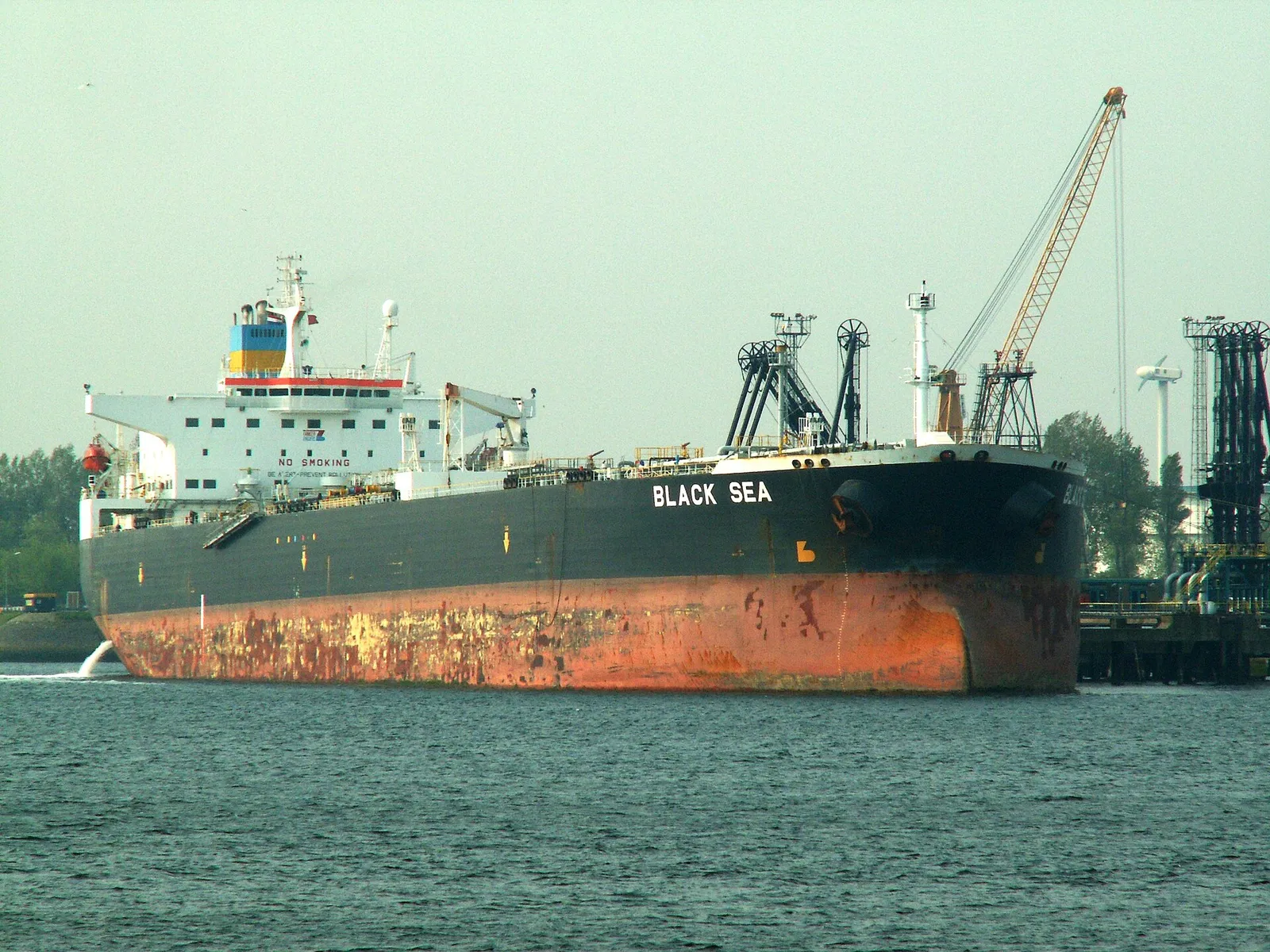
For a tanker valued at $100 million, that is the difference between roughly $250,000 for a voyage and somewhere between $3 million and $10 million. Insurers are pricing a meaningful chance that the ship does not complete the trip intact.
At that level the economics of a cargo change. A voyage that clears comfortably at a quarter of a million dollars in premium may not clear at ten million, and the decision stops being about the oil price at all.
Traffic has thinned
The physical consequence is fewer ships. CNBC reported earlier this month that traffic through the strait had fallen sharply as the two navies contested control of the waterway.
Iran has declared the strait closed and directed vessels to a northern route through its territorial waters. The United States has reimposed a naval blockade and says it is keeping the passage open, escorting convoys through.
Roughly a fifth of the world's oil and liquefied natural gas normally passes through the channel. There is no practical substitute route for most of it.
What it means away from the market
For consumers, the transmission runs through refined fuel, with a lag of days to weeks, and it is uneven by region. Crude at $90 does not automatically mean a proportional rise at the pump, because taxes, refining margins and local competition absorb part of the move.
For central banks the problem is more awkward. Energy feeds directly into headline inflation at a point when several had been expected to ease policy. A sustained rise in crude complicates that, and a conflict-driven price shock is one that interest rates cannot do much about: raising rates does not reopen a shipping lane.
Forecasts for where prices go next span an unusually wide range, and they depend almost entirely on an assumption about the fighting rather than on anything in the oil market itself. That is worth remembering when reading any specific target. The variable that matters is not stated in barrels.