
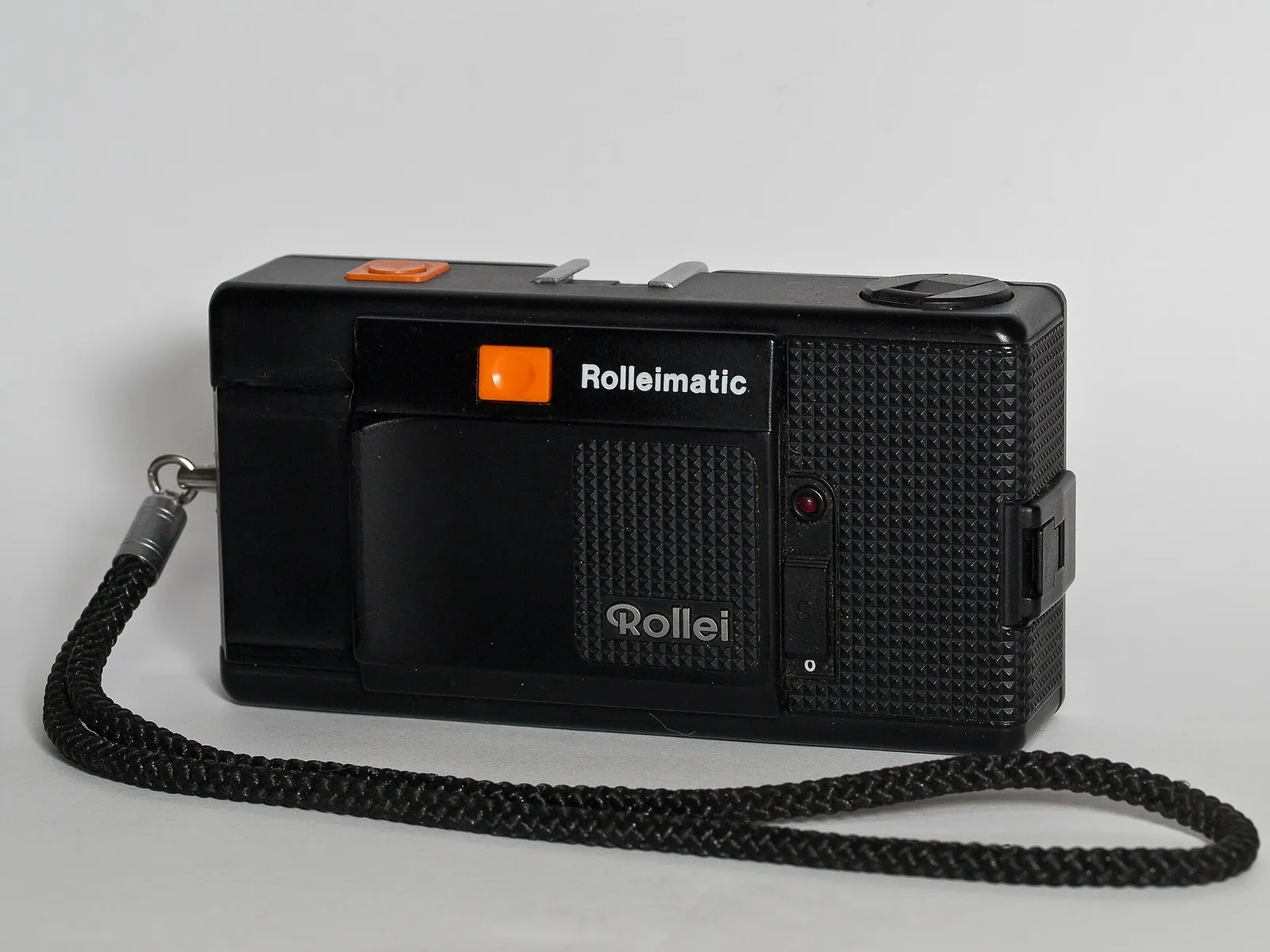
The Kodak EC35 went on sale on July 17. It is a 35mm film camera with a 25mm lens at a fixed f/10, a fixed shutter speed of 1/100 of a second, and an electronic flash powered by a single AA battery. It weighs 102 grams and comes in seven colors. It costs $35, or $45 bundled with a roll of film.
There is nothing to adjust, because there is nothing adjustable. That is the point.
Whose camera it is
The name on the front requires a caveat that is easy to miss. Kodak did not make this camera.
It was made by Reto, a Hong Kong company that manufactures cameras under a license to use the Kodak brand. Eastman Kodak's own account of the arrangement describes a licensing relationship that has run for several years, with sales led by the United States market.
The distinction matters for anyone deciding what they are buying. The design, engineering and manufacturing are Reto's. What Kodak supplies directly is the film: the bundled roll is Kodak Ultramax 400, an actual Eastman Kodak product. PetaPixel notes this makes the EC35 the closest tie to Kodak itself that Reto has produced.
The revival is real, and it is industrial
It would be easy to file a $35 plastic camera under novelty. The more telling evidence sits upstream, in the factories.
Trade coverage by Chemical & Engineering News reports that film manufacturers have been struggling to keep pace with demand, and that Harman, which makes Ilford film at a plant near Manchester in England, invested in new machinery to produce 35mm cassettes. It also reports consecutive years of double-digit growth for instant and single-use film products.
Companies do not commit capital to coating and cassette lines on the strength of a fashion. That is a bet on a demand curve that is expected to hold.
Why buy a worse camera
Any smartphone outperforms the EC35 by every measurable standard: sharper, faster, better in low light, effectively free per exposure, and instantly reviewable.
The people buying film are choosing the opposite of all that. A roll gives you 24 or 36 frames, each one costing money, none of them reviewable. You cannot check the shot, so you have to commit to it. You will not see the results for days.
The friction appears to be the product. When photography costs nothing and produces infinite images, an individual photograph stops carrying much weight. Limiting yourself to 36 restores the stakes. The look is part of it too, since film renders color and highlights differently from a digital sensor and that difference has become culturally legible as warmth or authenticity.
What the price does
The EC35's contribution is to lower the entry cost. The usual route into film has been a secondhand point-and-shoot from the 1990s, which costs a similar amount and carries real uncertainty about whether its shutter and light seals still work.
A new camera at $35 removes that gamble, at the cost of removing nearly every control. Whether that is the right trade depends on what the buyer wants: a working introduction to shooting film, or a camera with something to learn.
What is no longer in question is that the market exists. The generation buying these cameras is largely too young to have used film the first time around.