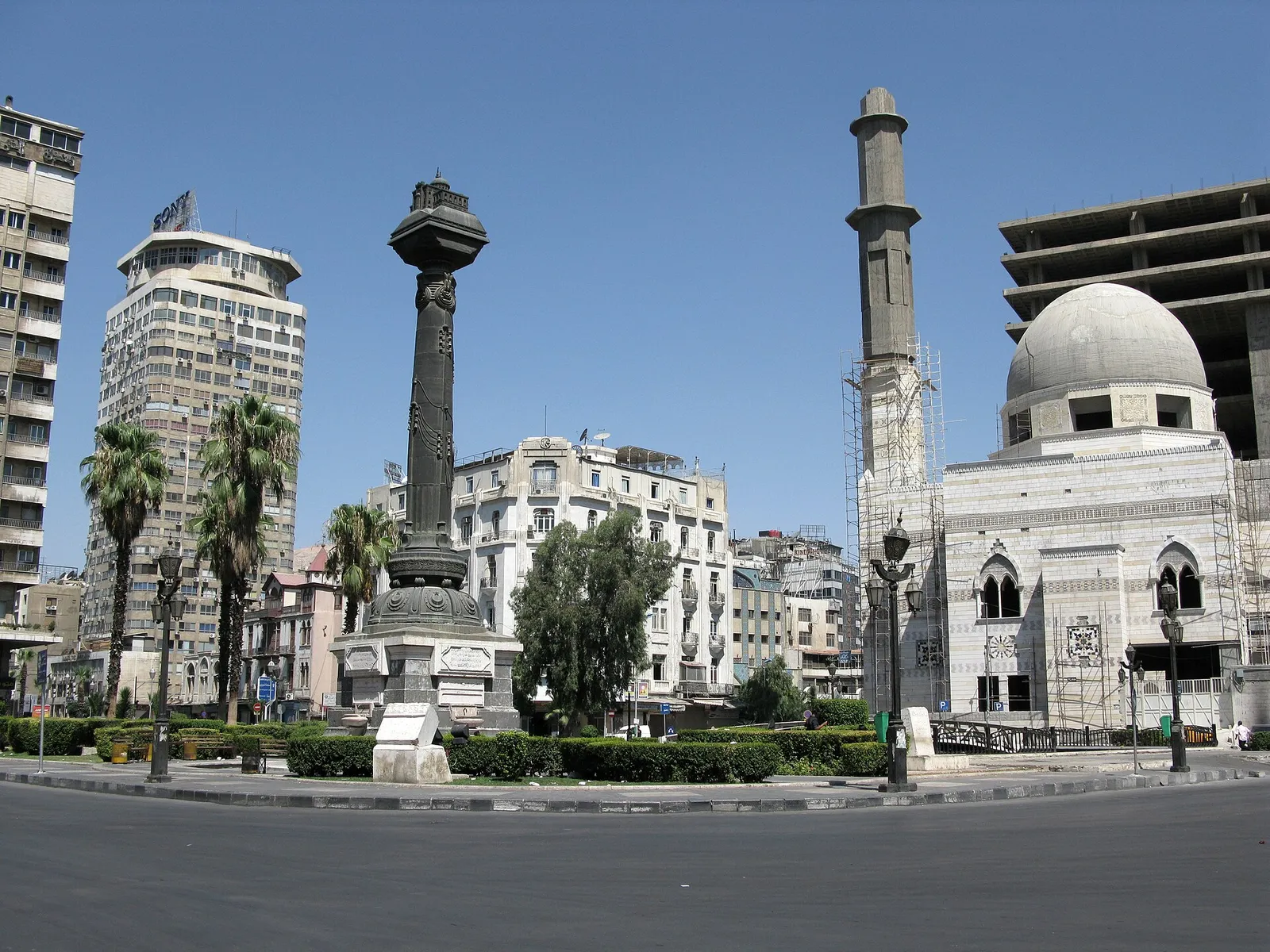
Syria has changed the leadership of its security and intelligence services, the state news agency SANA reported on Sunday, according to Al Jazeera.
Anas Khattab was named head of the National Security Bureau while remaining interior minister. Hussein al-Salamah becomes deputy head of the bureau. Abdul Qader Tahan takes over the General Intelligence Service. Mulham al-Shantout becomes assistant interior minister for security affairs.
The authorities said the changes were intended to "strengthen national security, promote stability and remove obstacles to reconstruction." That is the government's own account of its motives, and it is the only account on the record.
What preceded them
Two attacks in July form the immediate backdrop.
On July 2, an explosion at a cafe near the judicial complex in Damascus killed at least 10 people. On July 7, explosive devices concealed in a rubbish bin and a parked car were detonated during a visit by the French president, Emmanuel Macron, killing one person and wounding 36.
Syrian authorities attributed both to a cell linked to ISIL. That attribution is the government's, and no independent confirmation appears in the reporting.
Why these particular jobs matter
Syria has been governed since December 2024 by a transitional administration under Ahmed al-Sharaa, formed a month after Bashar al-Assad fled to Russia, ending decades of rule by the Assad family.
Under the previous government, the security and intelligence directorates were the core of state power, and the instrument through which it was exercised against Syrians. Who now runs those institutions is therefore not an administrative question. It bears on whether they are being rebuilt as ordinary security services or reconstituted in a familiar shape under new management.
Nothing in Sunday's announcement settles that. The reporting does not identify who previously held these posts, so it is not clear whether this is a significant redirection or a routine rotation, and it gives no detail on the appointees' records. Both are worth knowing and neither is available.
The international dimension
The changes come as Syria's transitional government is being brought back into diplomatic circulation, on terms that are explicitly conditional.
France restored full diplomatic relations during Macron's visit. The United States announced it would remove Syria from its list of state sponsors of terrorism, following a meeting between President Trump and al-Sharaa at a NATO summit. That announcement is a stated intention rather than a completed step, and the distinction matters, because such designations are removed through a formal process.
Both moves rest on an assessment that the new authorities can maintain security. Bombings in the capital, one of them during a visiting head of state's trip, cut directly against that assessment. A visible reorganization of the services responsible is, among other things, a signal to the governments making those judgments.
Whether it changes anything on the ground is a separate question, and one that will be answered by whether the attacks continue.