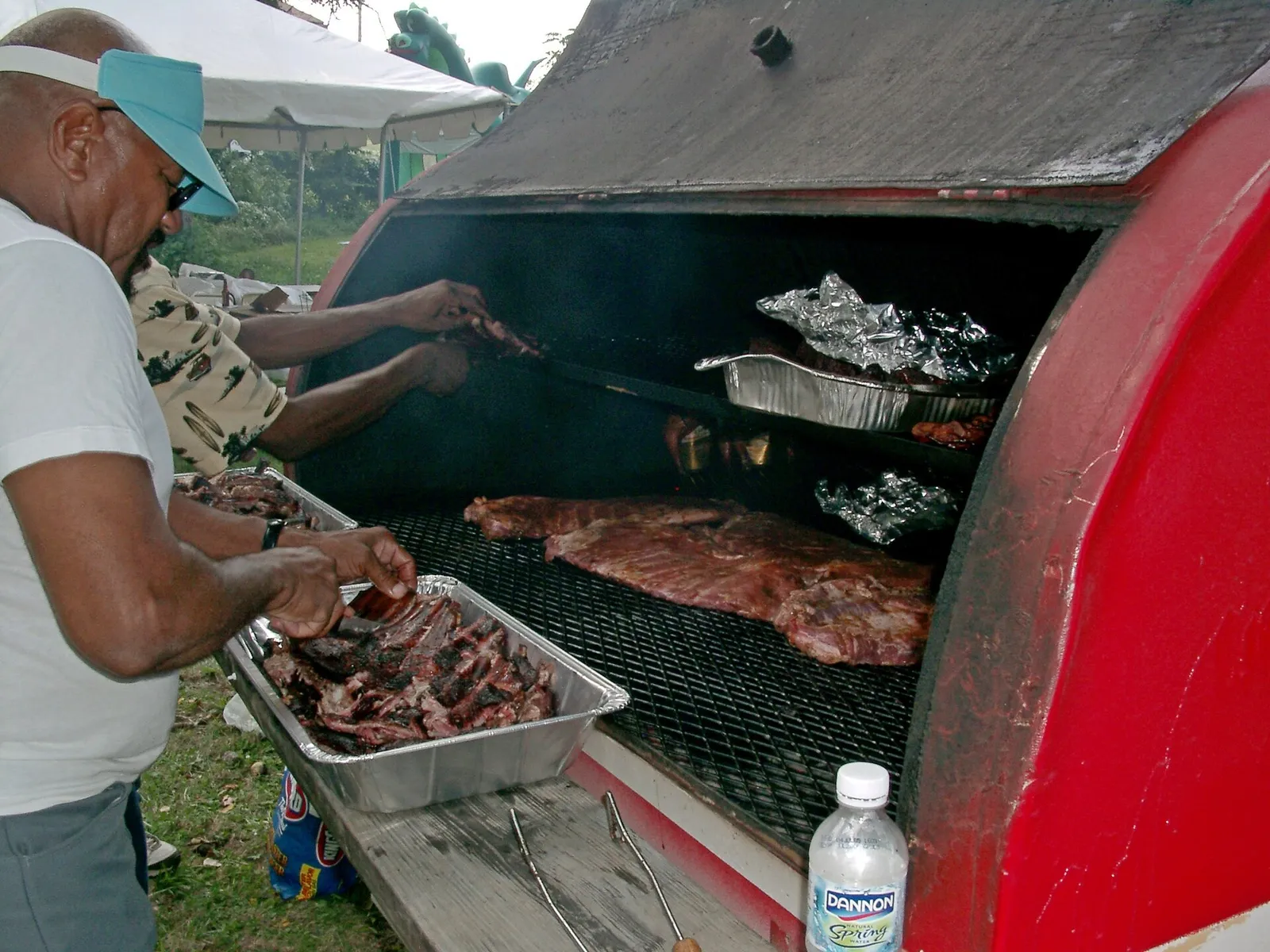
The hamburger is a Fourth of July staple, but this year it is an unusually expensive one. Retail beef prices have climbed to record highs heading into the holiday, and the cause is not a sudden shock but a slow-building supply crunch that imports have softened without solving.
Prices at record highs
Beef has been one of the more painful items at the grocery store. Ground beef prices are up roughly 19% from a year earlier, and average fresh beef prices have reached around $9.60 a pound — up about 13% over the same period, as reporting on this year's holiday grilling costs noted. Those increases far outpace overall food inflation, which is part of why beef stands out on the receipt.
The result is a shift in behavior. Some shoppers are trading down to cheaper cuts, buying less, or swapping in chicken and pork for at least part of the cookout — a familiar consumer response when one category of food gets conspicuously expensive.
The root cause: a shrinking herd
The fundamental driver is supply. The US cattle herd has fallen to its smallest size in more than 70 years, thinned by years of drought and by the high cost of feed, land and financing that makes it expensive for ranchers to keep or expand their herds, according to reporting on the shortage. By some measures, around three-quarters of the country's beef-cow herd has been in drought-affected areas, far above the long-run norm.
Rebuilding a herd is slow work. A rancher who decides to grow the herd must hold back female cattle for breeding rather than sending them to slaughter — which, in the short run, tightens supply and pushes prices up further before it eventually loosens them. That biology is why economists caution that relief is unlikely to be quick, even with strong incentives to expand.
Why imports have not fixed it
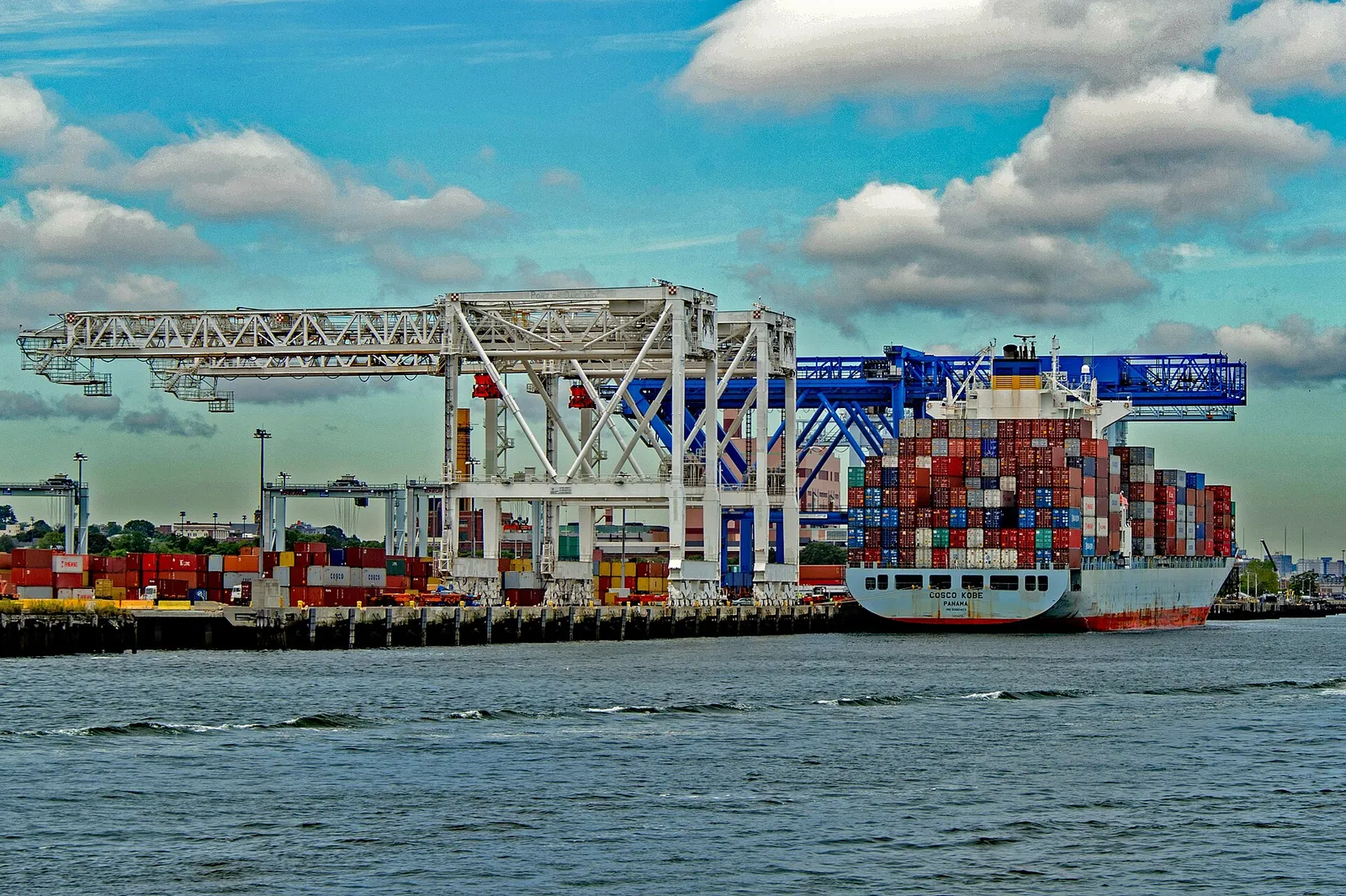
With domestic supply tight and demand robust, the United States has leaned harder on imported beef. Imports have run sharply higher than in recent years — well above both last year's pace and the levels of five years ago — as processors seek lean beef to blend into ground products, as the same reporting noted.
Yet record imports have not translated into cheaper burgers. The shortfall at home is large, demand for beef has stayed strong, and imported beef competes in a global market where the US is far from the only buyer. Imports have helped keep shelves stocked, but they have filled a gap rather than created a glut — so prices have stayed high.
The bigger picture
For consumers, the takeaway is that this year's expensive cookout reflects structural forces, not a passing blip: a herd rebuilt only slowly, a climate that keeps stressing grazing land, and demand that has held up despite the price. Analysts generally expect beef to remain costly until the herd recovers, a process measured in years rather than months.
None of that will change the menu for this weekend. But it does explain why the burger on the grill costs what it does — and why, for a while yet, beef is likely to stay one of the pricier ways to feed a Fourth of July crowd.