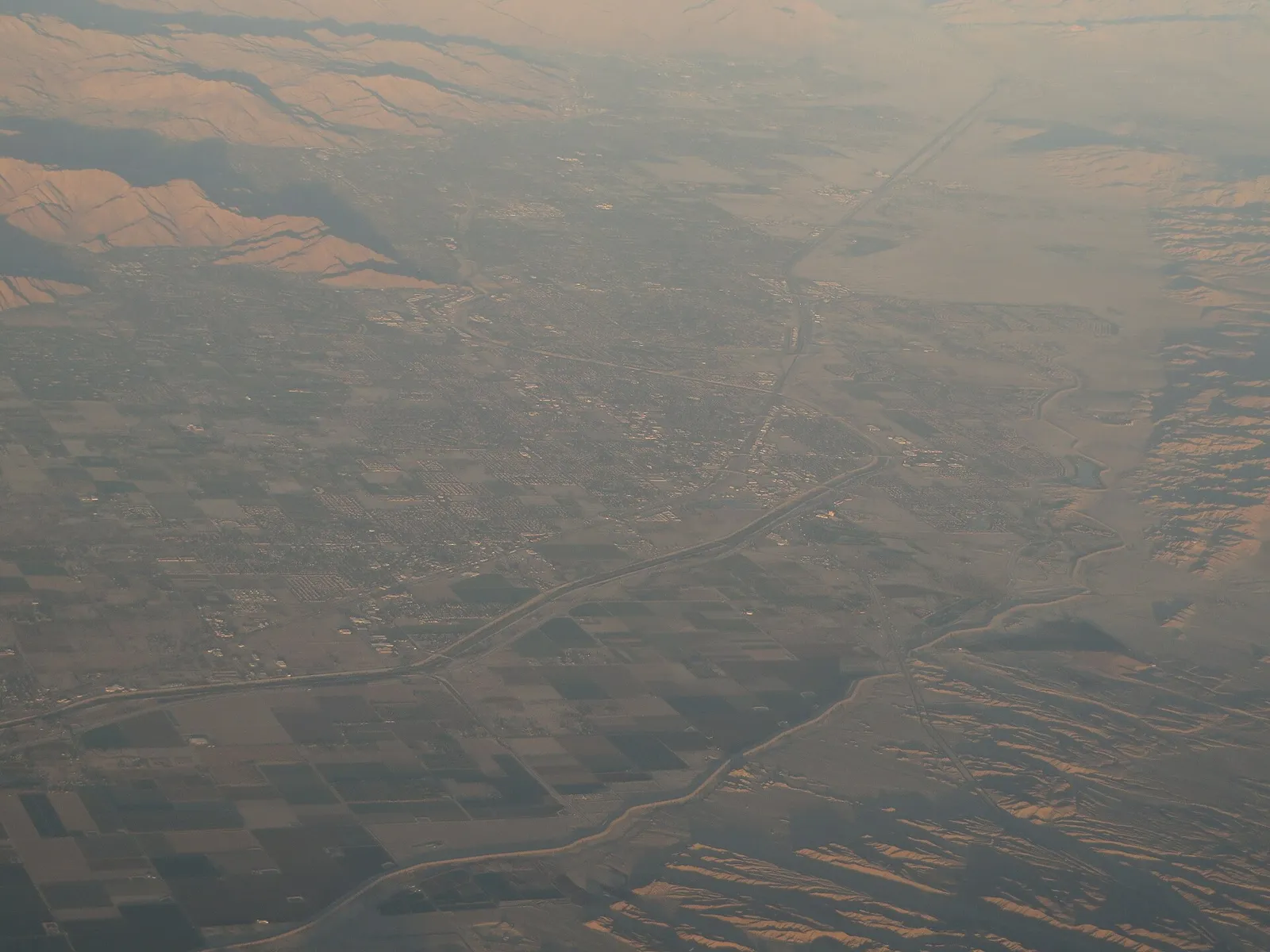
The disaster that has killed more than 200 people in northern Venezuela this week was, in geological terms, not a surprise. The region sits on one of the most dangerous plate boundaries in the Western Hemisphere, and the way the two quakes struck — back to back, and shallow — helps explain why the damage was so severe.
A boundary that never settles
Beneath northern Venezuela, the Caribbean tectonic plate grinds eastward past the South American plate at roughly 2 centimeters a year — slow, but enough over centuries to store enormous energy. That motion is taken up by a network of "strike-slip" faults, where blocks of crust slide horizontally past one another rather than colliding head-on. The main strands — the Boconó, San Sebastián and El Pilar faults — run across northern Venezuela close to its most populated areas, as mapped by the USGS. Strike-slip faults produce large, shallow earthquakes, the kind most capable of wrecking what people build above them.
Why two quakes in under a minute
The first shock, around magnitude 7.2, was followed roughly 40 seconds later by a stronger one near magnitude 7.5, with epicenters close together. Seismologists call this a "doublet" — two earthquakes that are causally linked but seismologically distinct, likely breaking different fault segments, The Conversation explained.
The mechanism is well understood in principle: a first rupture suddenly shifts stress onto neighboring faults — both by moving rock and through the seismic waves themselves — and can tip a nearby segment that was already near failure. In a region with such interlocking faults, one break can trigger another. For people on the surface, it meant two rounds of violent shaking in quick succession.
Shallow, and over soft ground
Depth mattered. The stronger quake was shallow — on the order of 10 kilometers — so its energy reached the surface with little crust to absorb it, intensifying the shaking. Caracas adds another hazard well known to scientists: much of the city sits in a valley on soft sediment, which can amplify seismic waves several times over compared with solid rock — a factor in past disasters there.
What comes next: aftershocks
Large earthquakes are followed by aftershock sequences that decay over time but do not stop cleanly. Forecasters consider further sizeable aftershocks likely in the days and weeks ahead, including the possibility of magnitude-6 events that could topple already-weakened buildings. The rate of aftershocks is highest in the first hours and days and then tapers, but occasional strong ones can arrive later — which is why the period while rescuers and survivors are in and around damaged structures is so dangerous.
A long, documented history
Venezuela has been here before. A catastrophic earthquake in 1812 destroyed much of Caracas and killed an estimated 15,000 to 20,000 people, historical accounts record. A magnitude-6.6 quake in 1967 killed hundreds in the capital and prompted stronger building codes, though enforcement has been uneven since. A larger event in 1900 on the same fault system long stood as the country's strongest instrumentally recorded quake. The plates that caused this week's disaster are still moving — as they always are — and that, more than any single tremor, is the lasting lesson of northern Venezuela's geology.