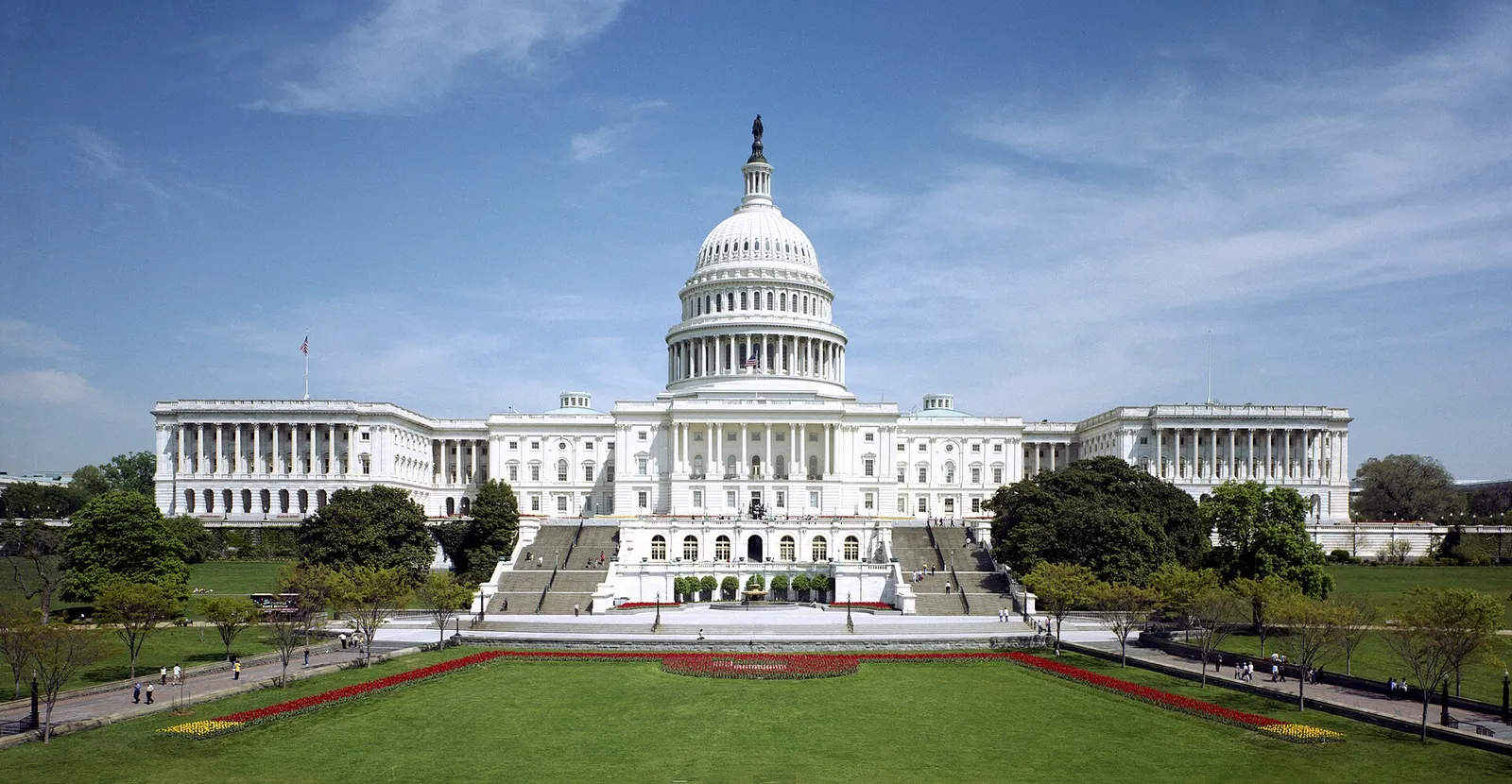
The White House asked Congress on Wednesday for $87.6 billion in additional spending, with most of it directed to the military operation against Iran — a request that immediately ran into the political turbulence already surrounding that conflict.
What is being requested
According to Al Jazeera, about $67 billion of the supplemental package is for the Department of Defense. Within that, the administration sought roughly $21 billion to replenish munitions, $17.3 billion for operational costs, and $21.1 billion for classified programs.
The remainder spans a range of non-defense items: about $11.1 billion in aid for farmers, $1.4 billion for the Ebola outbreak response in Africa, $1 billion for improvements to New York's Penn Station, and $500 million for restoration projects in Washington, D.C., ABC News reported.
The justification
The administration urged Congress to act quickly, framing the defense funds as necessary to sustain military readiness. House appropriators Tom Cole and Ken Calvert backed the military spending, arguing in a joint statement that "defense strength must be maintained, not merely demonstrated."
A skeptical Congress
The request arrived a day after the Senate, for the first time, passed a war powers resolution aimed at restraining further US military action against Iran without congressional authorization. Four Republicans — Lisa Murkowski, Susan Collins, Bill Cassidy and Rand Paul — joined Democrats in support. The measure is largely symbolic and does not by itself bind the administration, but it signaled the difficulty the spending request now faces.
Senator Patty Murray, the senior Democrat on the Senate Appropriations Committee, said she would "not rubber-stamp tens of billions more for this disastrous war of choice," and characterized parts of the package as an attempt to fund "unrelated Pentagon priorities." Cassidy, one of the Republicans who broke with the president on the war powers vote, has questioned the open-ended nature of the operation.
Supporters counter that funding an operation already under way is a matter of military necessity rather than an endorsement of how it began, and that munitions stocks drawn down during the campaign must be rebuilt regardless of the political dispute.
What happens next
Supplemental spending bills must pass both the House and the Senate and be signed into law to take effect. With both chambers showing visible divisions over the Iran conflict, the size and final shape of the package remain uncertain, and the debate is likely to stretch on as lawmakers weigh the costs of a conflict that has run longer than the administration first projected.