The North Atlantic Treaty Organization is a political and military alliance binding much of Europe and North America to a shared commitment of collective defense. It is one of the most consequential security arrangements of the modern era, yet the precise meaning of its central pledge is frequently simplified in public debate.
A treaty born in 1949
NATO traces its origins to the North Atlantic Treaty, signed in Washington on April 4, 1949. Twelve countries founded the alliance: Belgium, Canada, Denmark, France, Iceland, Italy, Luxembourg, the Netherlands, Norway, Portugal, the United Kingdom and the United States, according to NATO. The treaty was a product of the early Cold War, intended to deter Soviet expansion in Europe and to bind North America to European security. Its purpose, broadly, is deterrence and collective defense: the idea that a credible promise of mutual assistance makes aggression against any single member less likely in the first place.
Article 5: an attack on one
The heart of the alliance is Article 5, the collective-defense clause. It provides that an armed attack against one or more members in Europe or North America "shall be considered an attack against them all."
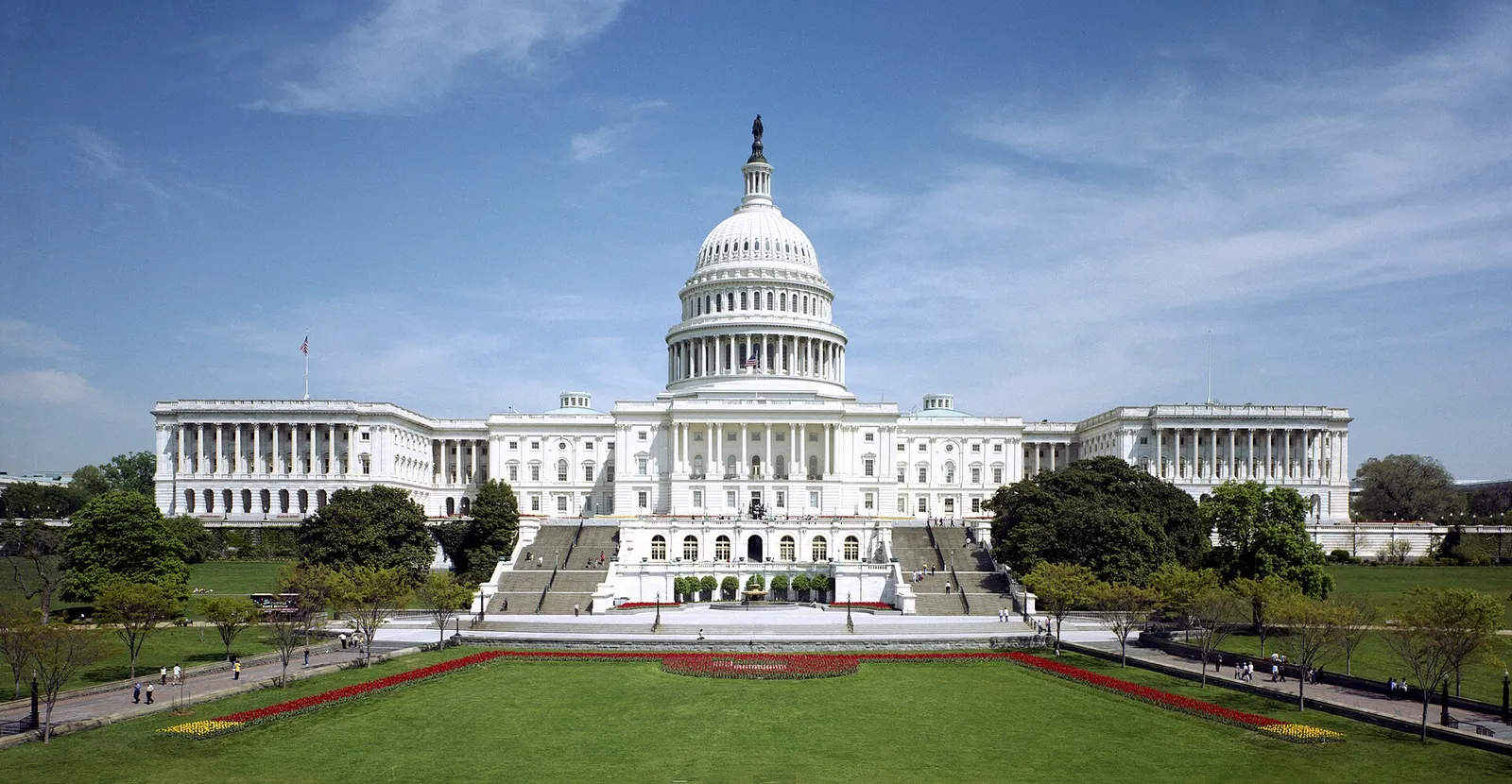
The crucial nuance, often lost in shorthand summaries, lies in what follows. Each member then agrees to take "such action as it deems necessary, including the use of armed force," to help restore security. As NATO emphasizes, it is up to individual members to determine how they will meet that obligation, and action under Article 5 "may or may not involve the use of armed force" — a member could respond with anything from troops to logistics, intelligence or other support it judges appropriate. The wording was shaped in part to satisfy the United States, where the power to declare war rests with Congress, not the executive alone.
Invoked only once — after 9/11
Despite decades of crises, Article 5 has been formally invoked only one time. On the evening of September 12, 2001 — less than 24 hours after the terrorist attacks on the United States — the North Atlantic Council agreed that if the attacks were determined to have been directed from abroad, they would be regarded as covered by Article 5. On October 2, 2001, after being briefed on the investigation, the Council confirmed the invocation, NATO records. It remains the alliance's sole use of the clause to date.
Consensus and the North Atlantic Council
NATO's principal decision-making body is the North Atlantic Council, where every member is represented and where decisions are taken by consensus. There is no majority vote: a decision reflects the collective will of all members, meaning each effectively holds a veto. This consensus rule shapes everything from military operations to the admission of new members.
Less prominent but frequently used is Article 4, under which any member can request consultations whenever it believes its territorial integrity, political independence or security is threatened. Article 4 commits members to talk, not to act, and has been triggered on several occasions to coordinate responses to crises along the alliance's borders.
A growing alliance
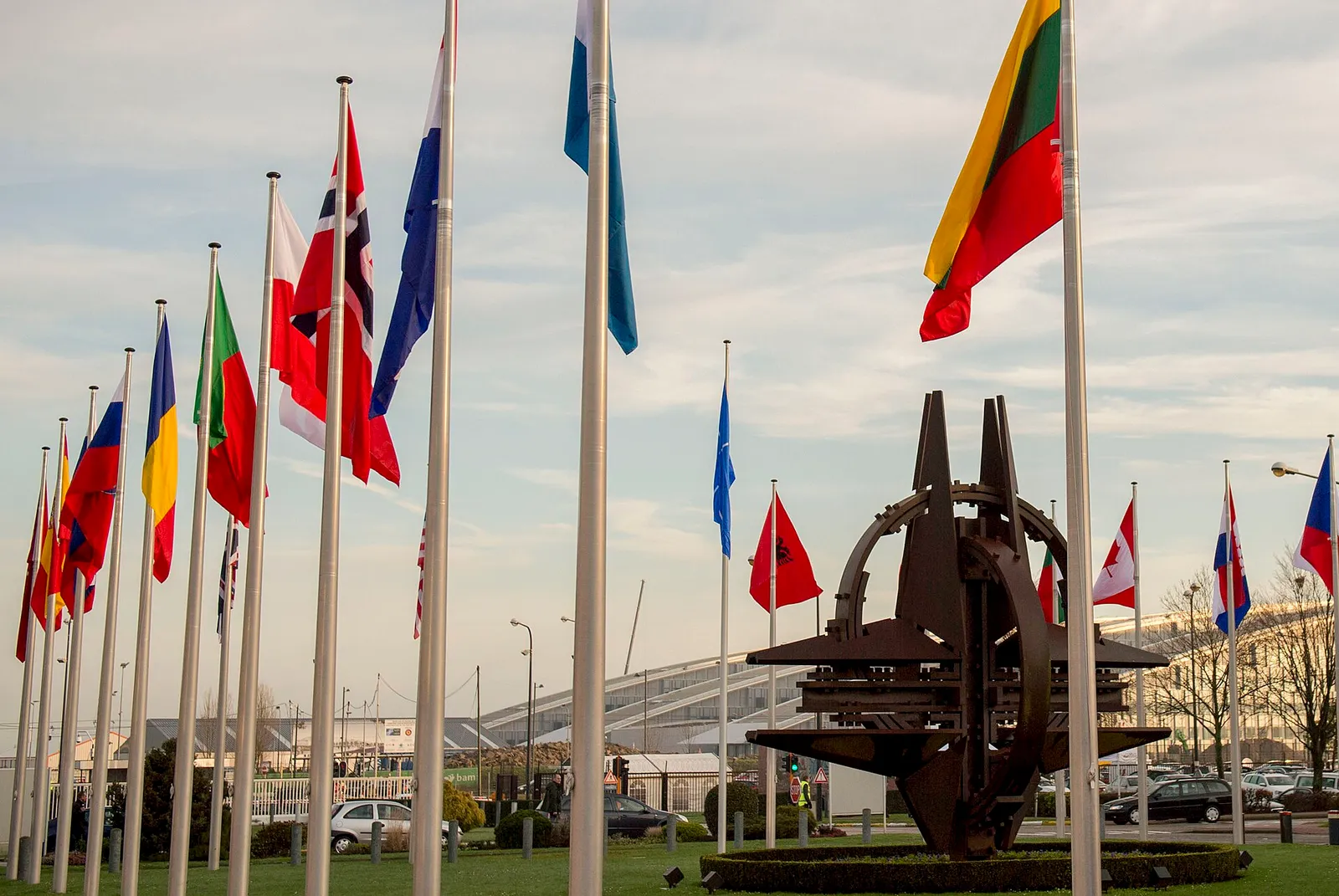
From its original 12 members, NATO has expanded through successive rounds of enlargement to 32 countries. Two of the most recent additions ended decades of military non-alignment: Finland joined on April 4, 2023, and Sweden became the 32nd member on March 7, 2024. New members are admitted only by unanimous agreement of existing ones.
The 2% debate
How much members spend on their own militaries has become one of the alliance's most persistent internal debates. At the 2014 Wales Summit, members agreed a Defence Investment Pledge to move toward spending at least 2 percent of gross domestic product on defense within a decade. The 2 percent figure is a guideline rather than a binding rule.
For years only a handful of members met it, fueling recurring disputes over "burden-sharing" — whether some allies rely too heavily on others, particularly the United States, for collective security. The number meeting the target has risen sharply in recent years, and the debate has since shifted toward higher targets — underscoring how questions of cost and fairness continue to test an alliance whose foundational promise rests, ultimately, on shared commitment.