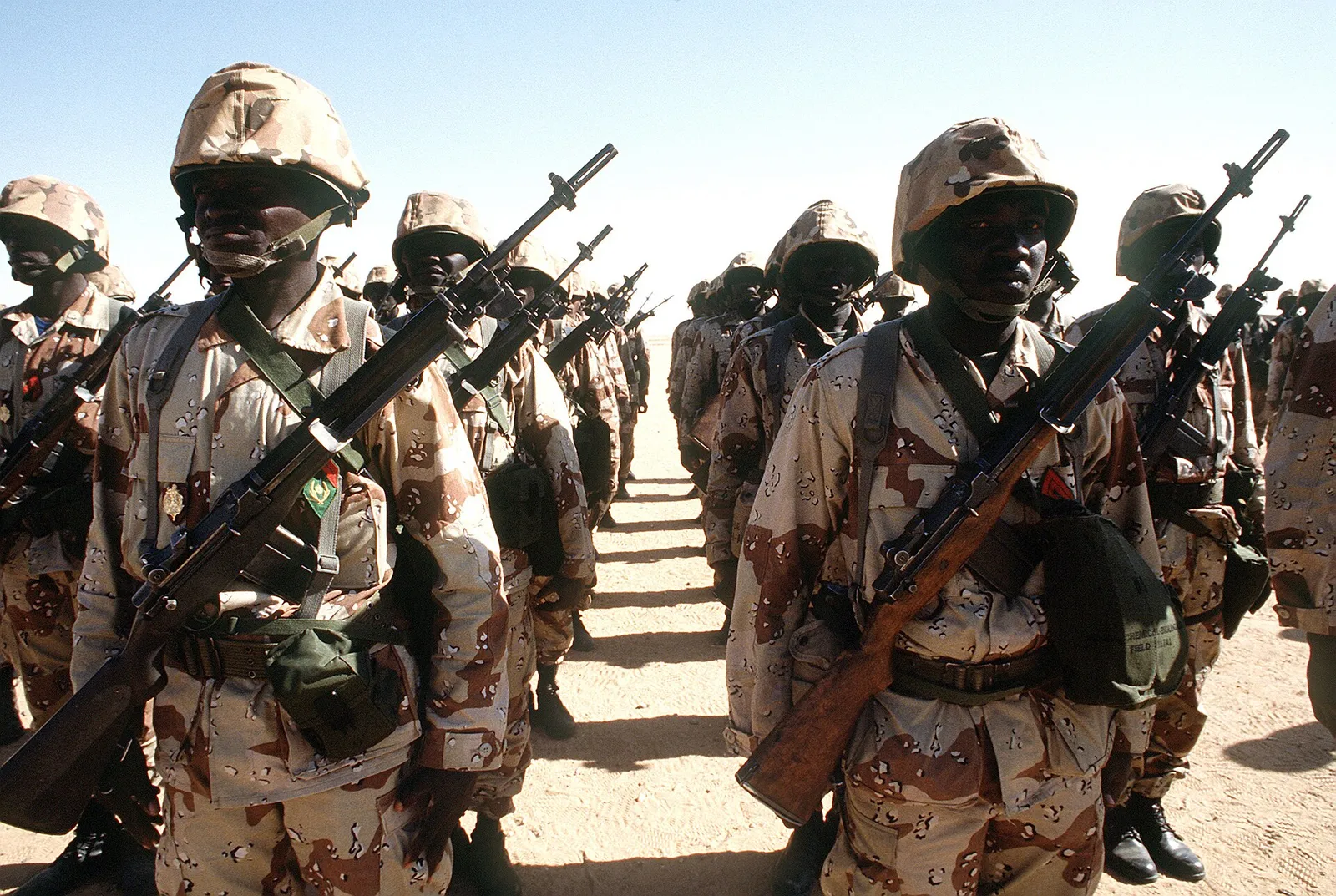
The United States has withdrawn most of the troops it sent to Nigeria this year to help fight the Islamic State's regional affiliate, ending a short but notable deployment while pledging to continue supporting Nigerian forces from a distance, BusinessDay reported.
What the deployment was
Washington sent about 200 military personnel to Nigeria around February 2026 to assist with intelligence, surveillance and counterterrorism operations in the Lake Chad Basin — the arid, cross-border region where Nigeria meets Niger, Chad and Cameroon, and where jihadist groups have operated for more than a decade. The American role was framed as support: helping Nigerian forces with the kind of aerial surveillance, targeting and coordination that they lack at scale, rather than leading combat operations.
Both governments have now characterized that mission as complete. According to the reporting, US officials said the operation had achieved its objectives, prompting the redeployment of most of the American personnel, as Vanguard also reported. The exact number of troops remaining was not disclosed.
A milestone against ISWAP
The clearest marker of the mission's stated success came in May 2026, when a joint US-Nigerian operation killed a senior figure in the Islamic State West Africa Province, or ISWAP, described in the reporting as the group's second-in-command, during a raid in Borno State in Nigeria's northeast. Borno has been the epicenter of the insurgency that grew out of Boko Haram and later fractured, with ISWAP emerging as a distinct and durable faction.
Such operations, and the intelligence that enables them, are the core of what the United States has offered: precise, high-value strikes against leadership, rather than the grinding, territory-holding fight that falls to Nigerian and regional troops.
What continues, and what it signals
US officials stressed that pulling out the troops does not mean pulling back the partnership. Washington said it would keep sharing intelligence and providing other support requested by Abuja — a continuation of a security relationship that has deepened as the Lake Chad insurgency has dragged on and spread across borders.
The withdrawal fits a broader pattern in US engagement in Africa: a preference for light-footprint missions built around intelligence, surveillance and targeted assistance rather than large or lasting deployments. For Nigeria, the challenge is what comes next. Insurgencies in the region have proved resilient, capable of regrouping after the loss of commanders, and the removal of foreign troops places the burden of consolidating any gains back squarely on Nigerian and regional forces.
The bigger picture
The episode is a reminder of how modern counterterrorism cooperation often works: short, discreet deployments aimed at specific objectives, followed by a handover to local forces and a continuing but less visible flow of intelligence and support. Whether the gains against ISWAP hold will depend less on the troops now leaving than on the Nigerian military's ability to press the advantage — and on a partnership that both sides say will outlast the deployment that just ended.