It is a peculiar and unsettling event: on a hot, windless day, a large branch suddenly snaps from a tree that looks perfectly healthy and crashes to the ground. There is no storm to blame, often no visible rot or weakness. The phenomenon, long noted by tree surgeons, is known as summer branch drop — and its cause is still debated, as the BBC reported.
A defined — but unexplained — hazard
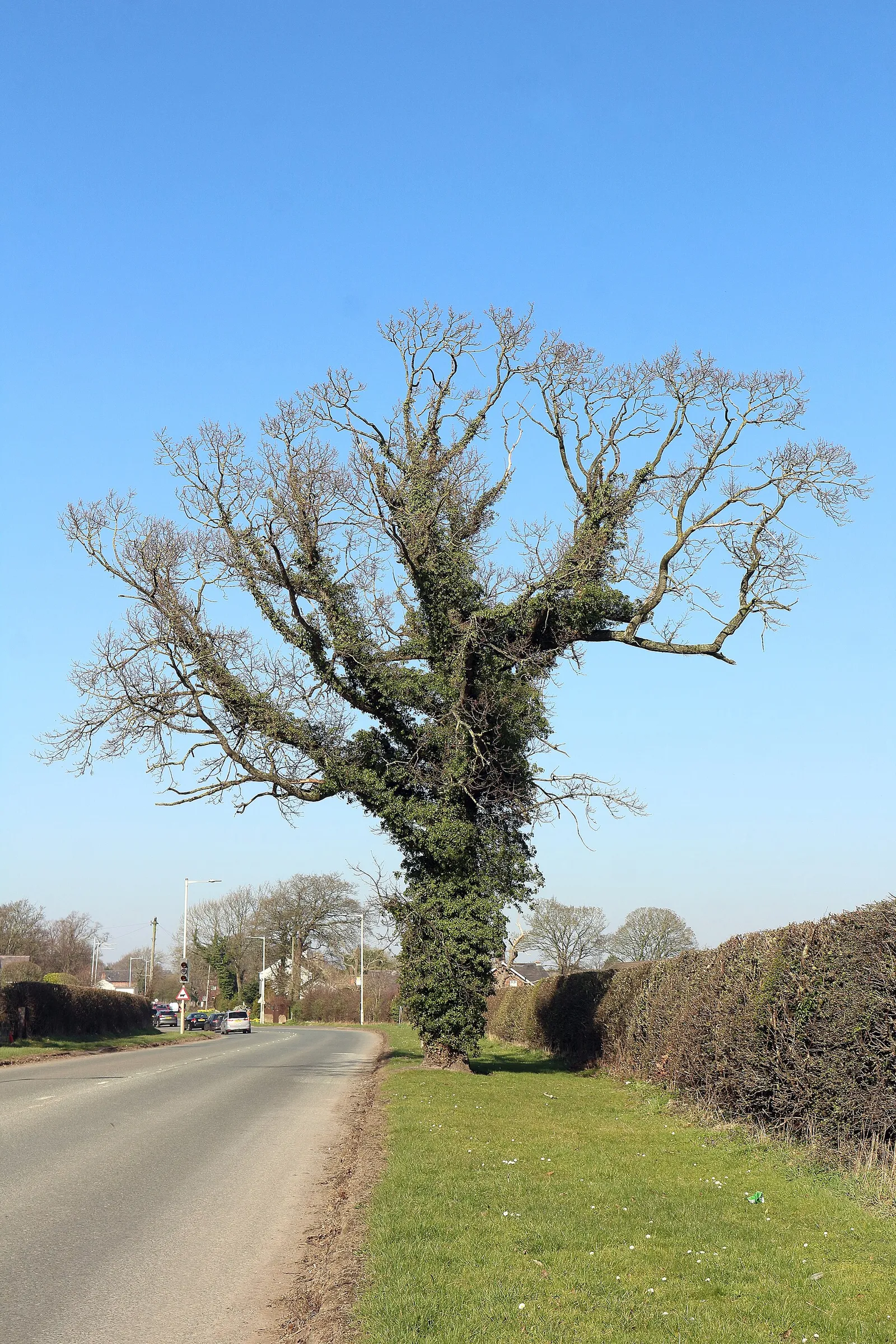
The International Society of Arboriculture describes summer branch drop as the sudden, unanticipated failure of a tree branch with little or no discernible defect, often involving long, horizontal limbs in warm weather. What makes it striking is precisely that the branches that fall usually pass ordinary inspection: no cavity, no obvious disease. That is also what makes it hard to predict.
The leading ideas
Researchers and arborists have put forward several overlapping explanations, none of them fully proven.
The most discussed centers on water. Trees stay rigid in part through internal water pressure, and on a hot, dry, still afternoon a branch can lose water faster than the tree can replace it. One hypothesis, discussed by university extension specialists, is that as water flow into a heavy horizontal limb drops, the branch's internal temperature and the level of the plant hormone ethylene rise, subtly weakening the wood until it gives way under its own weight. A related idea points to moisture imbalances within the limb, where drier outer wood and wetter inner wood create internal stresses.
Why calm days? On a breezy day, a branch flexes and sheds load dynamically; on a still, hot afternoon there is no such relief, and the static weight of a full canopy bears steadily on the attachment point. Crucially, scientists stress these remain hypotheses — the exact biomechanics are not settled.
Which trees, and the risk
Summer branch drop is most often reported in broadleaf trees with large, spreading horizontal limbs — oaks especially, along with species such as beech, elm, eucalyptus and some maples. A falling limb from a mature tree can weigh a great deal and poses a real danger to people and property below, which is why parks departments and arborists pay close attention to big trees over paths and roads during heatwaves.
A problem that may grow
If heatwaves and droughts become more frequent and intense — as climate scientists project — the conditions associated with summer branch drop are likely to occur more often. Tree-care advice in hot, dry spells is practical rather than dramatic: have large, mature trees inspected by a qualified arborist, keep an eye on long horizontal limbs over busy areas, and reduce risk through careful pruning where needed. But the phenomenon is also a reminder of how much about even familiar trees remains, literally, up in the air.