When meteorologists speak of "serial" heatwaves, they mean bursts of extreme heat that follow one another with only brief breaks in between. Europe has just lived through exactly that: a first heatwave in late May, then a second, more severe spell from mid-June that pushed temperatures into the mid-40s Celsius in parts of Spain and France and broke June records in several countries, Copernicus, the EU's climate service, reported. The repetition is not just bad luck — these events share a common cause.
When the sky gets stuck
At the heart of the current heat is a pattern forecasters call an "omega block," named for the way it traces the Greek letter Ω on a weather map. A dome of warm high-pressure air bulges northward, with pockets of low pressure on either side. The jet stream — the high-altitude river of wind that normally drives weather systems west to east — buckles around the dome and loops back, leaving the whole pattern locked in place, as RTÉ explained.
With nothing to push it along, the stationary high acts like a lid. Air sinking beneath it warms as it is compressed, and clear skies let the sun bake the ground day after day. Such blocks typically last from a few days to a couple of weeks. They also help explain why heatwaves arrive in quick succession: once one breaks and a brief cooler spell passes, the soil and seas have little time to recover before another ridge builds in almost the same spot.
A higher starting point
Blocking patterns are nothing new. What has changed is how hot the trapped air now gets. Copernicus has reported that 2024 was the warmest year in records going back to 1850, the first calendar year more than 1.5°C above pre-industrial levels. That warmer baseline means every heatwave builds from a higher floor.
Britain's Met Office has found that a summer as hot as 2018 is now many times more likely than before the industrial era, because rising greenhouse-gas concentrations have shifted the whole temperature distribution upward. For the current European heat, scientists conducting rapid attribution studies concluded the event would have been far less likely — and several degrees cooler — without human-caused warming, and that the high overnight temperatures, which stop the body from recovering, have become dramatically more common, according to researchers cited by RTÉ.
The outlook
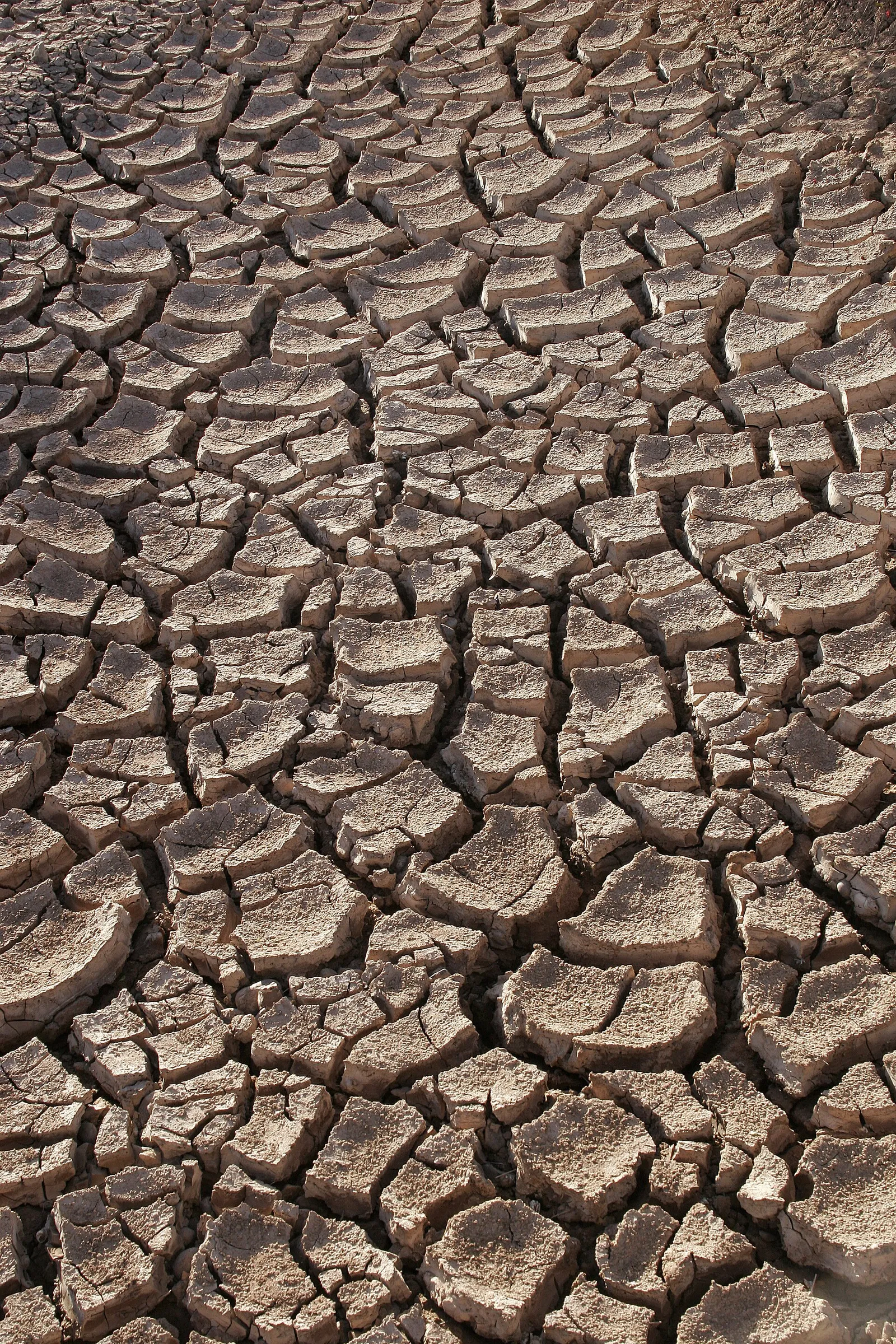
The pattern is proving stubborn. Forecasters expect the blocking high to persist over parts of southern and western Europe into early July, deepening drought across Spain, Portugal, France and the Balkans, while Britain sits closer to the boundary between the continental heat and cooler Atlantic air. Whether omega blocks themselves grow more frequent in a warming world remains an active research question, with some studies pointing that way but no firm consensus.
Why repeated heat is so dangerous
The toll of serial heat is cumulative in a way a single spell is not: a body that has not fully recovered from one episode is more vulnerable in the next. The greatest risks fall on older adults, infants, outdoor workers and people with heart or lung conditions, especially when nights stay warm. The current heat has been linked to hundreds of deaths across Europe, forced school closures in France and strained power and transport systems.
Health authorities' advice is consistent across the continent: stay out of the sun during the hottest afternoon hours, drink water steadily rather than waiting for thirst, and check on elderly or isolated neighbors who may have no way to cool their homes. Over the longer term, planners face growing pressure to insulate buildings, expand green space and set up cooling centers — infrastructure that matters more as extreme heat shifts from a rare shock to a recurring feature of European summers.