An earthquake of magnitude 5.6 struck central Peru on Sunday at a depth of 22 kilometers, Al Jazeera reported.
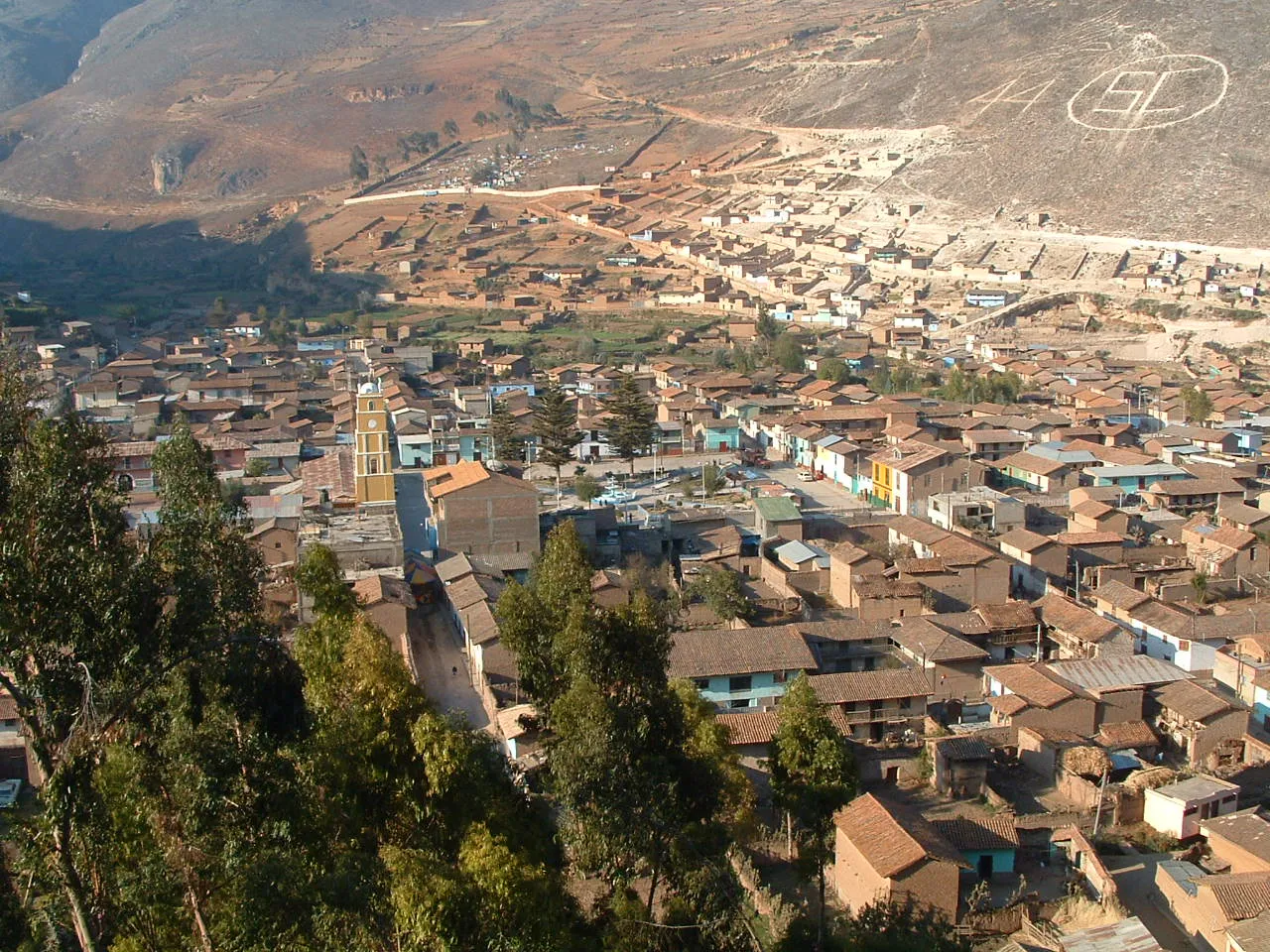
In Pumpunya, footage showed firefighters searching the rubble of a collapsed building for a person reported missing. No wider casualty figures have been released, and there is no confirmed death toll.
What is known so far
This is an early report and the details are thin. The magnitude, the depth and the collapse in Pumpunya are established. The number of people affected is not.
Reporting in the hours after an earthquake in a mountainous region is almost always incomplete, because damage in outlying settlements takes time to reach the capital and the agencies that publish figures. A first account describing one collapsed building should not be read as the full extent.
Why a 5.6 can still bring a building down
Magnitude 5.6 is moderate. It is not, in itself, the kind of event that levels towns, and quakes of that size occur somewhere in the world most weeks without making news.
What determines whether one kills people is mostly not the number. It is depth, and it is construction. At 22 kilometers this quake was relatively shallow, which concentrates shaking at the surface rather than dissipating it through the crust. And in much of the Peruvian highlands, older housing is adobe or unreinforced masonry: heavy walls with little to hold them together laterally. That kind of structure performs poorly in moderate shaking, and it is why the same magnitude produces very different outcomes in different places.
Peru's exposure
Peru sits on one of the most seismically active boundaries on the planet, where the Nazca plate is forced beneath the South American plate. That subduction built the Andes and it generates earthquakes continuously, including some of the largest ever recorded in the region.
The country has building codes intended for this. The difficulty, as in many places along the Pacific coast of South America, is that a large share of housing was built informally, incrementally and without engineering oversight, particularly in rural districts and on the hillsides above growing cities.
We will update this report as Peruvian authorities publish figures.